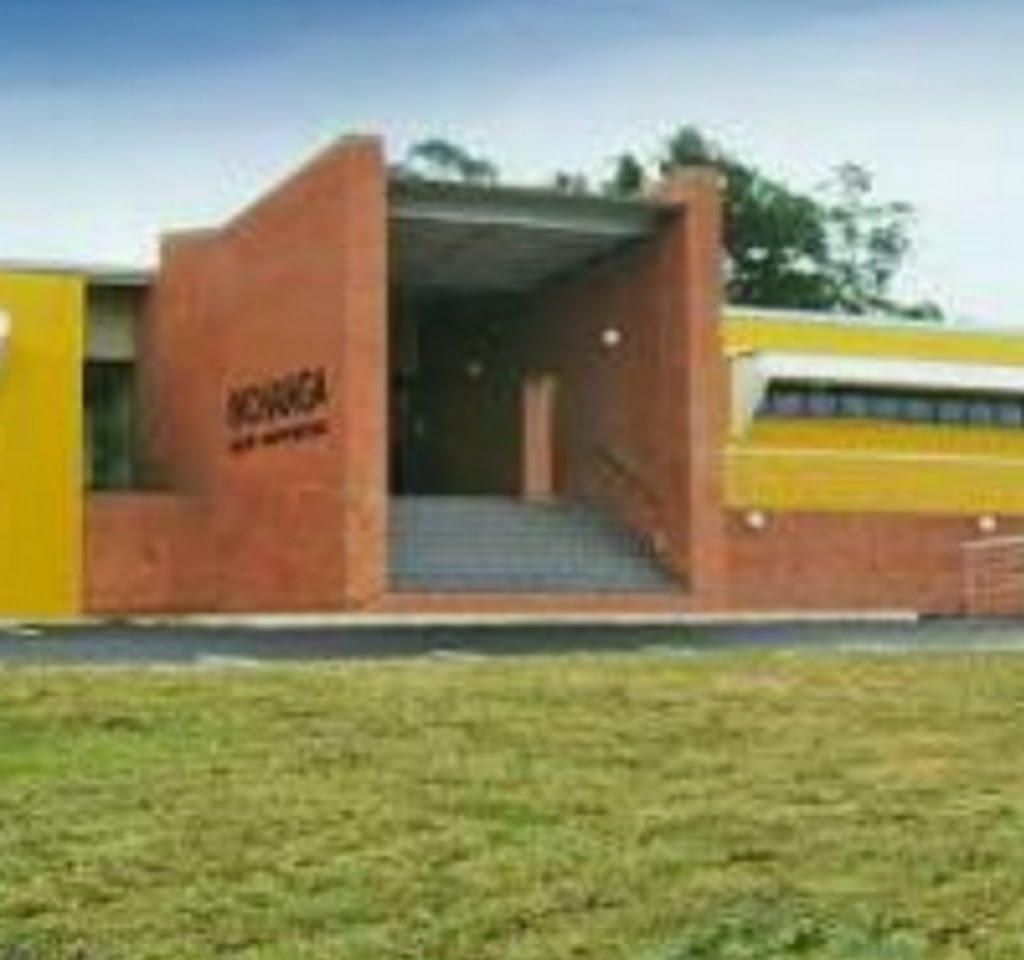
Inchanga Library is a Library establishment in Cato Ridge, Kwa-Zulu Natal, South Africa
Cato Ridge
Kwa-Zulu Natal
3680
South Africa

Sorry, no records were found. Please adjust your search criteria and try again.
Sorry, unable to load the Maps API.
Library Services in Cato Ridge, Kwa-Zulu Natal
Public libraries in Cato Ridge offer a practical hub for information, learning and community engagement within the Kwa-Zulu Natal region. Typical services are designed to support residents, students and visitors with access to books, digital resources and a range of programmes that promote literacy, lifelong learning and civic participation. The emphasis is often on reliable access, affordable learning opportunities, and spaces that support study, collaboration and quiet reflection.
Borrowing and reference assistance are foundational services. Members can usually browse a collection spanning fiction, non‑fiction, periodicals and reference works, with lending terms that vary by library but aim to balance access with collection availability. Trained staff provide help with locating materials, evaluating sources and navigating catalogues, ensuring that both casual readers and researchers can obtain relevant information efficiently. For those pursuing specific topics, reference help can point customers to authoritative materials, subject guides and local resources that illuminate regional history, culture and industry.
Digital access is a common feature in many libraries. Patrons often have opportunities to use computers, printers and scanning facilities, with free or affordable access to the internet. Public computers may require short bookings or time limits, and assistance is typically available for basic tasks such as email, online forms and homework research. Additionally, many libraries offer free Wi‑Fi for personal devices within the premises, enabling remote learning and job searches while on site.
Programme and learning offerings distinguish libraries as community anchors. Regular activities may include story times for children, reading clubs for teens, and adult literacy or language workshops. Educational talks, career guidance sessions, and information literacy programmes are frequently scheduled to support skill development and local employment initiatives. Public health and wellbeing information sessions, financial literacy workshops, and cultural programmes can also be part of the library calendar, reflecting community needs and interests.
Space utilisation and facilities are important practical considerations. Libraries in smaller towns like Cato Ridge typically provide quiet study zones, collaborative work areas and spaces for group projects. Some venues offer dedicated areas for children and families, while others may have self‑service corners, display shelves of local heritage materials, and exhibitions that celebrate regional crafts or notable residents. Accessibility is a priority in most facilities, with considerations for wheelchair access, seating, and clear signage to help all visitors navigate and utilise resources confidently.
Access to local history, archives and community information is often a valued service. Libraries can act as custodians of town records, historical photographs, and genealogical resources that illuminate the area’s development and culture. While specific holdings vary, staff may guide researchers to primary materials and digital collections relevant to Cato Ridge, neighbouring suburbs, and Kwa‑Zulu Natal more broadly.
Practicalities for visitors include hours of operation, membership requirements and any fees or fines policy. Many libraries operate with flexible hours to accommodate students and working residents, but specific opening times should be confirmed locally. Membership arrangements are typically straightforward, with proof of identity and residence sometimes required. Borrowing limits, renewal rules and overdue charges are common considerations, and most libraries provide guidance on how to manage returns and renewals to minimise penalties.
In summary, library services in Cato Ridge are designed to support reading, research and community life through approachable collections, user‑friendly facilities and a schedule of educational and cultural programmes. The aim is to provide practical, equitable access to information and learning opportunities that reflect the needs and interests of the local population.