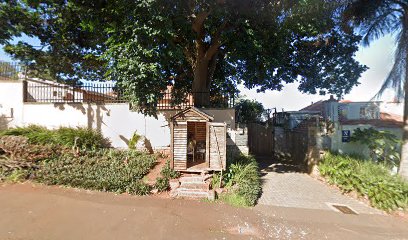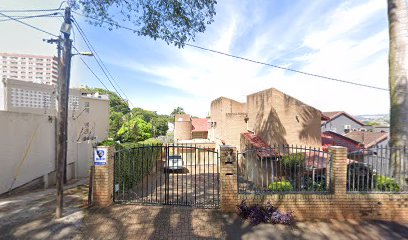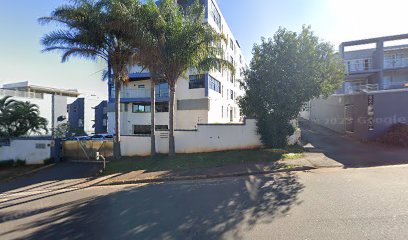
Indigo Musallah is a Mosque establishment in Berea, Kwa-Zulu Natal, South Africa
Berea
Kwa-Zulu Natal
4001
South Africa
Sorry, no records were found. Please adjust your search criteria and try again.
Sorry, unable to load the Maps API.
Mosque services in Berea, Kwa-Zulu Natal: a guide for visitors and residents
Mere minutes from central Durban, the Berea area hosts several mosques that serve as community anchors for Muslims and visitors alike. These houses of worship typically combine spiritual observance with practical community support, reflecting the diverse population of Kwa-Zulu Natal. Visitors can expect a respectful and orderly atmosphere designed to accommodate worshippers from varied backgrounds while preserving the distinct rituals of Islam.
Regular prayer services lie at the centre of mosque activity. The five daily prayers are observed at most mosques, with larger congregations commonly gathered for theDhuhr (midday) and Maghrib (sunset) prayers. On Fridays, Jumu’ah prayers are a focal point, often accompanied by a short sermon (khutbah) delivered in a language accessible to the congregation, and sometimes available in translation for visitors. Outside of formal prayer times, spaces are generally quiet and receptive, welcoming those who wish to reflect or read holy texts in a respectful manner.
Beyond prayer, mosques in Berea typically offer education and outreach programmes. These may include classes for adults and children on Quranic studies, Islamic jurisprudence, Arabic language basics, and memorisation (hifz) programmes. Community members often participate in what are effectively supplementary learning sessions after morning or evening prayers, providing a route to deepen knowledge while fostering social ties. Some mosques also provide guidance on halal dietary practices and information about charitable giving through zakat and sadaqah, helping individuals align their acts of support with Islamic principles.
Community events play a notable role in Berea’s mosque life. During Ramadan, for instance, mosques may organise nightly iftars (breaking of the fast) and taraweeh prayers, inviting residents to share food, fellowship, and spiritual reflection. Eid celebrations are typically supported by communal spaces and activities that extend hospitality to families and visitors. Where appropriate, mosques may coordinate with local organisations to extend relief or social services to those in need, reinforcing the role of the mosque as a hub for mutual aid within the neighbourhood.
Facilities in Berea mosques are generally designed with practical everyday use in mind. Prayer halls provide ample space for worshippers, with separate area provisions where required to accommodate different gender practices during prayer times. Entrance and circulation areas are kept clean and orderly to facilitate smooth attendance, particularly during peak periods such as Jumu’ah or Ramadan. Mosques often maintain modest dressing guidance and expect visitors to observe customary etiquette—removing shoes at the entrance, ensuring appropriate dress, and maintaining a respectful tone during conversations and prayers.
Practical considerations for visitors include arrival timing, parking, and accessibility. Some Berea mosques offer dedicated parking or nearby street parking, with clear signs indicating entrances and prayer facilities. It is common courtesy to check prayer times in advance, particularly for those visiting during Ramadan or for events requiring prior registration. While mosques welcome individuals seeking information or a moment of quiet, visitors should be mindful of prayer schedules and avoid interrupting services unless assistance is required from staff or volunteers.
In summary, mosque services in Berea, Kwa-Zulu Natal, provide a combination of daily worship, educational activities, and community outreach within a respectful, inclusive environment. The experience emphasises preparation, modest conduct, and a shared sense of community responsibility, reflecting the region’s rich Islamic heritage and contemporary social fabric.
- Regular daily prayers and Friday Jumu’ah
- Educational programmes for adults and children
- Ramadan activities, including iftars and taraweeh
- Community outreach and charitable initiatives
- Guidance on etiquette, dress, and halal practices