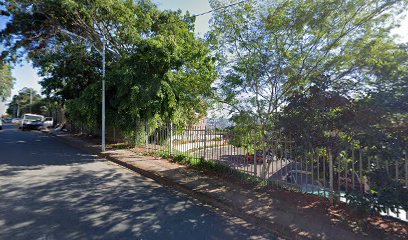
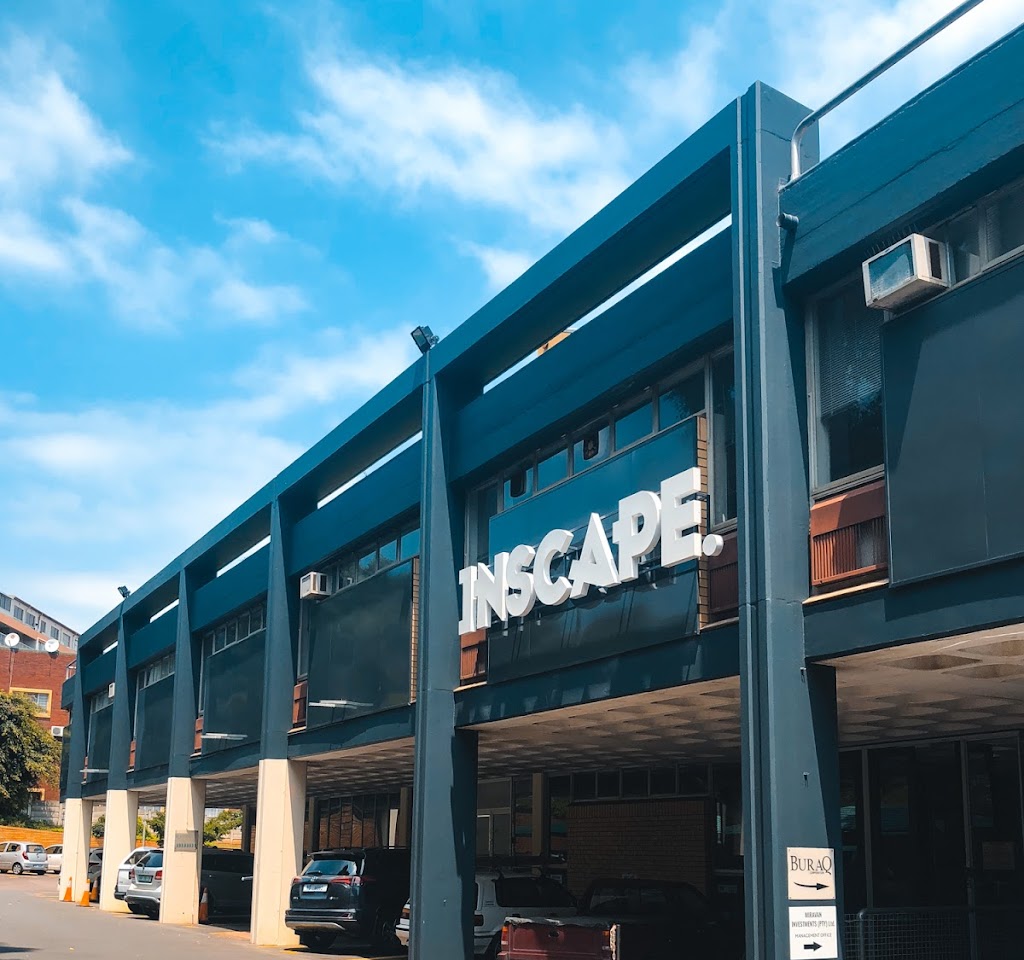
Inscape Education Durban Campus is a Educational institution establishment in Berea, Kwa-Zulu Natal, South Africa
Inscape Education Durban Campus (Umhlanga), Kwa-Zulu Natal — Educational Institution Summary
Inscape Education Durban Campus operates as part of the private higher education organisation Inscape, with a national footprint of learning hubs across South Africa. The Durban offering sits within the Umhlanga learning hub, positioned to serve students in the Kwa-Zulu Natal region who are pursuing design-focused studies and related disciplines. The institution emphasises a design-thinking approach and aims to prepare graduates who are versatile across multiple contexts, rather than narrowly specialising in a single field.
Across its platform, Inscape presents a range of study options designed to accommodate different learner needs. The core study options include contact learning, distance learning, and online offerings via partner platforms. This framework is described as flexible rather than prescriptive, with the aim of helping prospective students identify a mode of study that suits lifestyle, time commitments, and career goals. For the on-campus experience, the Durban hub provides the environments typical of Inscape campuses, including access to lecturer support during defined class times and opportunities to engage with peers within a learning community.
The main services revolve around higher education qualifications in design and related disciplines. Programmes are structured to blend practical design work with conceptual learning, underpinned by industry-relevant briefs and projects. Several course types are highlighted within Inscape’s broader offerings, including bachelor’s degrees, honours programmes, diplomas, and specialised advanced diplomas. Examples of study areas visible in the organisation’s content include interior design-forward pathways, digital marketing and communication, entrepreneurship, and user experience design. A recurring emphasis is placed on real-world briefs and portfolio development, designed to ensure graduates emerge with tangible outputs in addition to theoretical knowledge.
Inscape’s governance and philosophy are characterised by a focus on progressive, industry-aligned programmes. The institution positions itself as a pioneer in private higher education within South Africa, noting historic milestones such as being one of the first to offer a Bachelor of Design degree and initiating collaborative projects with industry and international partners. The educational approach is described as multidisciplinary and aimed at producing versatilist graduates who can operate across different domains, rather than limiting graduates to a single design discipline.
From a student experience perspective, Inscape promotes access to on-campus facilities and campus life features that accompany the contact-learning model. These include on-site Wi‑Fi, canteen facilities, dedicated study and library spaces, and opportunities for student involvement in governance or ambassador programmes. The university describes itself as hosting a community of learners who participate in campus events and supported activities, with an emphasis on personal development and responsible citizenship alongside design proficiency.
Programme pricing is indicated across the site for selected courses, with tuition ranges aligned to the level and modality of study (for example, bachelor-level programmes and distance options). While exact figures vary by qualification and learning mode, potential attendees are encouraged to explore the current offerings and contact the institution for detailed information about fees and payment options. The institution also signals partner-based learning and industry collaborations that provide real-world exposure and opportunities to work with briefs from industry stakeholders.
Inscape’s information resources suggest a customer journey that prioritises enquiry and guidance. Prospective students may use online enquiry tools or chat facilities to obtain information about courses, accommodation options, and student life. The study-options pages underline that students have access to lecturers and support services irrespective of chosen study mode, ensuring continuity of guidance through the learning process.
Typical job types or industries associated with the broader Inscape portfolio include roles in interior design, digital marketing and communication, entrepreneurship and business start-up activity, and user experience design. While the Durban campus description does not detail a definitive list of on-site job placements, the emphasis on design thinking, real briefs, and industry partnerships suggests graduates may pursue roles across creative agencies, design studios, marketing teams, and client-facing design positions within various sectors.
Practical tips for prospective students and visitors to the Durban campus include: verify preferred study mode early (contact learning, distance, or online) to align with personal schedules; explore the Durban Umhlanga learning hub’s facilities and local student life options; review the current course directory to identify qualifications aligned with career aims; take advantage of the enquiry channels (online chat and application portals) to obtain current fee information, entry requirements, and campus-specific guidance; and consider engaging with industry briefs or partnerships highlighted by Inscape to gain practical design experience during study.
For those planning a campus visit or seeking local support, noting the Umhlanga location and the available hub network across South Africa may assist in coordinating study option discussions, enrolment planning, and potential accommodation arrangements in the Durban area. The overarching aim is to equip prospective learners with the tools and clarity needed to choose a design-focused pathway that integrates academic learning with practical, real-world design challenges.
Berea
Kwa-Zulu Natal
4001
South Africa

Sorry, no records were found. Please adjust your search criteria and try again.
Sorry, unable to load the Maps API.
Educational institution services in Berea, Kwa-Zulu Natal
Educational establishments in Berea, Kwa-Zulu Natal provide a broad spectrum of services designed to support learners from primary through to post-secondary levels. The Berea area, known for its proximity to Durban’s central business district, often features institutions that balance traditional classroom instruction with modern administrative processes and student support. The following overview outlines typical offerings and what prospective students and their families can expect when engaging with educational services in this locale.
Educational institutions typically organise their core offerings into academic programmes, vocational training, and supplementary services. Core programmes commonly include core subjects aligned to national or provincial curricula, enabling progression through tiered grade levels or levels of study. Vocational and specialised tracks may also be available, catering to practical fields such as information technology, business studies, health sciences, and engineering-related disciplines. In many Berea settings, programmes are designed to be accessible to diverse learners, including those seeking admission to higher education, learnerships, or skill-based qualifications.
Admissions and registration are generally structured processes that involve documentation, assessment, and selection criteria. Applicants should expect to provide standard identification, prior academic records, and any required supporting materials. Some institutions conduct placement assessments to determine appropriate entry levels or to identify learners who may benefit from foundational or bridging courses. Once admitted, students typically receive an timetable, with a clear outline of subjects, contact hours, assessment dates, and evaluation methods.
Classroom and learning environments vary but often emphasise a balanced approach to instruction. Teaching methods may integrate lectures, discussions, practical demonstrations, and problem-solving activities. In some Berea institutions, there is an emphasis on incorporating information technology and digital resources to supplement traditional learning. Laboratories, libraries, workshop spaces, and study areas are commonly available to support student engagement and independent study.
Student support services are an important aspect of the educational landscape in Berea. Counselling, academic advising, and career guidance are frequently offered to help learners navigate study pathways and post-qualification opportunities. Additional support may include language assistance, disability services, tutoring, and access to learning resources. Practical considerations often involve transportation information, on-site safety measures, and accessible facilities to accommodate a range of physical needs.
Assessment and progression are central to the educational experience. Regular assignments, tests, practical assessments, and formal examinations typically determine progress and certification. Feedback is commonly provided through structured reporting and parent or guardian communications where applicable. The credential or qualification awarded upon completion may align with national or provincial standards, enabling transfer or further study within the South African education system.
Facilities and campus life form part of the overall experience. Learners can expect well-lit classrooms, dedicated study spaces, and appropriate safety provisions. In Berea, access to public transportation, parking, and proximity to residential areas are practical considerations for commuting students. The surrounding environment often emphasises a respectful and inclusive culture, with codes of conduct designed to promote safety, discipline, and collaboration.
A concise list of typical educational services in Berea includes:
- Core academic programmes and subject teaching
- Vocational and specialised training pathways
- Admissions, placement testing, and registration processes
- Library, laboratory, and workshop facilities
- Academic advising, counselling, and career guidance
- Tutoring and language or support services
- Examinations, assessment, and credentialing
- Student welfare services and accessibility provisions
Overall, Educational institution services in Berea, Kwa-Zulu Natal, are characterised by an organised structure that supports academic achievement, practical skill development, and learner well-being. Prospective students and families are encouraged to consider programme breadth, logistical factors such as travel and campus facilities, and the availability of support services when selecting an institution that suits individual educational goals.