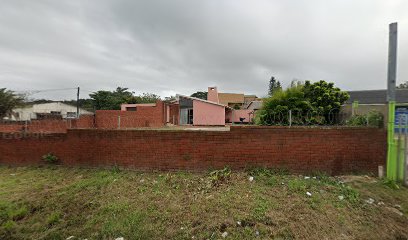
Isipingo Hospital-ER is a Hospital establishment in Durban, KwaZulu-Natal, South Africa
Isipingo Hospital-ER: an Isipingo community hospital within the KwaZulu-Natal JMH network
Isipingo Hospital, situated at 162 Phila Ndwandwe Road in Isipingo, Durban, forms part of the Joint Medical Holdings (JMH) group, one of South Africa’s larger independent private healthcare providers. Described as a proud community hospital, it contributes to JMH’s broader mission to deliver accessible, quality private healthcare across KwaZulu-Natal. The facility is integrated into a network that includes seven hospitals and a mix of acute, sub-acute and day hospitals, supported by more than 470 specialist and allied healthcare professionals across the group.
From the perspective of service scope and patient experience, Isipingo Hospital aligns with JMH’s emphasis on compassionate care and cost-effective private healthcare. The hospital sits within a diversified portfolio that enables access to a broad range of medical expertise through the group’s specialist cadre. While Isipingo itself is described as a community hospital, the surrounding network affords patients a connection to a larger array of specialities and support services should referral or escalation be required.
Main services offered at Isipingo Hospital are framed by the network’s overall capabilities and departmental focus. Visitors can expect access to key hospital departments commonly prioritised within JMH facilities, including general medical care, emergency services, and planned interventions supported by specialised units. The JMH Special Departments page highlights areas such as Breast, Cardiac, Oncology, Neurosurgery, Vascular Surgery, and Mental Health, among others. Although individual hospital pages do not enumerate every local service in explicit detail, the Isipingo site’s alignment with these departments suggests availability of multidisciplinary care, where appropriate, either directly at Isipingo or through coordinated referrals within the JMH network.
Patient pathways commonly observed within the JMH framework emphasise integrated care. In practice, that may involve initial assessment at Isipingo’s emergency or general wards, followed by access to specialist input from within the broader JMH stable when needed. The network also emphasises dedicated ambulance services and emergency care pathways, consistent with a private hospital network that aims to streamline urgent medical responses in the Durban area.
Isipingo Hospital’s positioning as a community hospital indicates a focus on local accessibility, timely emergency support, and practical healthcare delivery for residents of Isipingo and the surrounding KwaZulu-Natal region. The hospital’s inclusion in a large, well-staffed network helps ensure that patients can benefit from a wide range of expertise without travelling far from home, while still enjoying the private healthcare standards associated with JMH.
Typical job types and clinical roles connected to Isipingo Hospital, inferred from the Joint Medical Holdings portfolio, include general physicians, surgeons, critical care specialists, nursing teams, laboratory and imaging staff, rehabilitation therapists, and allied healthcare professionals. The breadth of JMH’s employment across 4 acute hospitals, 2 sub-acute hospitals and 2 day hospitals in the KwaZulu-Natal region reflects a substantial workforce capable of supporting varied patient needs from emergency care to ongoing outpatient management.
Practical tips for customers planning a visit to Isipingo Hospital include noting the hospital’s Durban location and community focus, which can be advantageous for patients seeking closer-to-home private healthcare. When planning care, it may be useful to consider the broader JMH offerings—such as access to ambulances, financing options, and potential networking with specialist services across the network. Patients seeking urgent care should be aware that Isipingo operates within a system designed for rapid escalation and inter-hospital referrals where appropriate, reducing the need for patients to navigate multiple providers alone.
Operational considerations and local context are supported by JMH’s overall footprint in KwaZulu-Natal. Durban and its surrounding districts benefit from a cluster of JMH facilities, including Isipingo Hospital, which collectively offer emergency services, outpatient care, and a spectrum of inpatient and day hospital options. This regional network is designed to serve a broad community base, with Isipingo acting as a key local healthcare touchpoint for residents seeking private medical attention in the Isipingo area and neighbouring communities.
Practical advice for patients includes verifying contact details and hospital availability ahead of visits, as Isipingo forms part of a multi-site network. While specific hours and service lists are not published in a single comprehensive page for Isipingo, the hospital’s inclusion in the JMH family suggests alignment with the group’s regional hours, appointment processes and patient information resources. For residents of Durban and KwaZulu-Natal, Isipingo Hospital represents a convenient, community-focused option within a trusted private healthcare network.
Durban
KwaZulu-Natal
4133
South Africa
Sorry, no records were found. Please adjust your search criteria and try again.
Sorry, unable to load the Maps API.
Hospital Services in Durban, KwaZulu-Natal
Durban, a coastal city in KwaZulu-Natal, offers a range of hospital services that cater to local residents and visitors alike. The hospital landscape includes both public and private institutions, each with its own approach to care, but common service lines are shared across the region. Patients can expect a structured path from initial presentation to treatment, recovery and discharge, with access to a combination of medical, surgical and support services designed to manage acute illness, injury and ongoing health needs.
Emergency and urgent care sit at the forefront of hospital services. Emergency departments are equipped to assess rapidly, prioritise cases through triage, stabilise patients and initiate definitive treatment where feasible. Critical care facilities, including intensive care units and high-dependency wards, provide close monitoring and specialist interventions for life-threatening conditions. Ambulance services, often operated by public or private providers, play a crucial role in transferring patients to appropriate departments and facilities.
General medical care encompasses a wide range of non-surgical conditions managed by hospital teams. This includes internal medicine, infectious diseases, respiratory care, gastrointestinal services and specialised clinics for chronic diseases such as diabetes and hypertension. Hospital staff coordinate with primary care physicians and community health resources to optimise continuity of care after discharge.
Surgical services cover elective procedures, trauma surgery and handling of acute surgical conditions. Pre-operative assessment, anaesthesia, operating theatres and post-operative wards work in concert to promote safety, infection control and timely recovery. Rehabilitation pathways commonly follow surgery, with access to physiotherapy and occupational therapy to assist regaining mobility and function.
Maternity and paediatric services form a central part of Durban’s hospital offerings. Antenatal and postnatal care, labour and delivery, newborn observation and paediatric follow-up are typically available, with neonatal support where required. Family-centred care and clear discharge planning help families understand aftercare needs, vaccinations and future appointments.
Specialised clinical services provide depth in areas such as cardiology, oncology, orthopaedics, urology and neurology. Diagnostic imaging and laboratory pathology underpin these services, with radiology departments offering X-ray, ultrasound, CT and MRI where appropriate, and pathology laboratories delivering essential diagnostic tests. Diagnostic work is designed to inform treatment plans promptly and accurately.
In addition to acute care, hospital services extend to rehabilitation and mental health. Physiotherapy and occupational therapy support longer-term recovery and return to daily activities. Mental health services, including inpatient or day-patient care and crisis management, address acute presentations and ongoing therapeutic needs within a hospital setting. Social work and discharge-planning teams assist with arranging home support, community services and caregiver education.
Practical considerations for accessing hospital care in Durban include understanding the distinction between public and private facilities. Public hospitals often handle high patient volumes and may have longer waiting times, whereas private hospitals emphasise shorter wait times and a higher level of personalised care, typically accessed through private medical aid or out-of-pocket payments. Patients should carry identification, medical records (including current medications and relevant test results), and any referral documentation when presenting at reception. It is prudent to clarify the anticipated costs, potential charges for tests, procedures and accommodation, and to understand visiting hours, patient rights and language support services available on site.
Finally, hospital experiences in Durban emphasise culturally sensitive care in a multicultural city. Language considerations, religious and dietary needs, and family involvement are commonly accommodated to support patient dignity and comfort. The overall aim is a coherent patient journey—from initial contact and diagnostic work through to treatment, rehabilitation and safe discharge—within a Nigerian, hospital environment well-suited to the needs of KwaZulu-Natal residents and visitors alike.