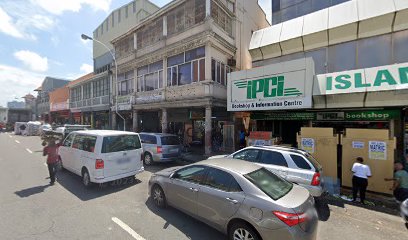
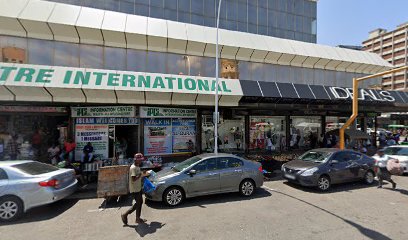
Islamic Propagation Centre International is a Community center establishment in Durban, KwaZulu-Natal, South Africa
Overview of Islamic Propagation Centre International (IPCI) — Community Centre in Durban, KwaZulu-Natal
The Islamic Propagation Centre International (IPCI) operates from its Durban headquarters as a long‑standing nonprofit organisation dedicated to presenting Islam, building interfaith understanding, and empowering communities through education and outreach. Established in 1957 by the late Shaikh Ahmed Deedat, IPCI emphasises a historical commitment to Dawah (propagation) efforts and public engagement designed to foster social cohesion across faiths. The organisation is registered as a South African nonprofit (No: 033-328-NPO) and has historically pursued a broad programme slate aimed at dialogue, learning, and moral renewal.
Core objectives centre on empowering communities through the promotion of moral values and principles, and on building bridges across faiths to facilitate greater understanding. IPCI presents Islam in its core, original form to people of all faiths, aiming to contribute to a more harmonious public sphere. The Durban base acts as a hub for Dawah activities, information dissemination, and hosted events that bring together diverse audiences—including interfaith partners and educational groups.
IPCI’s primary activities span three broad areas: interfaith engagement, educational programmes, and social outreach. The interfaith strand regularly hosts public outreach events, dialogue sessions with church groups, and cross-faith exchanges in various communities across South Africa and neighbouring regions. These activities are designed to help visitors evaluate Islam through respectful discussion and shared learning rather than through welfare-based motivations alone.
Education plays a central role in IPCI’s mission. The organisation runs the IPCI Learning Academy, offering formal and non‑formal educational programmes. Highlights include comparative religion or interfaith classes, school tours and seminars, and mosque tours for local and visiting groups. The intention is to empower individuals with knowledge, critical thinking, and practical understanding of Islamic thought, as well as to cultivate curiosity about religious diversity in young people and adults alike.
Beyond dialogue and learning, IPCI maintains social‑moral initiatives that address contemporary concerns and aims to promote safe, healthy living and constructive public discourse. Publications, lectures, and public programmes form a key part of IPCI’s effort to discuss social issues through an Islamic lens and to provide resources for readers seeking authentic information about Islam.
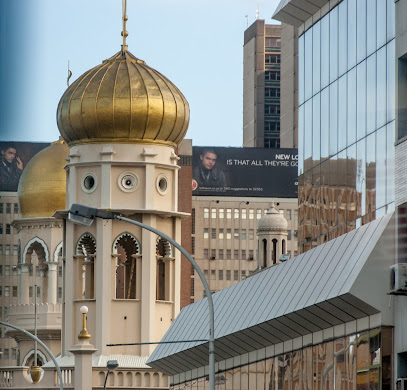
Among IPCI’s notable facilities is the Islamic Exhibition Centre, a state‑of‑the‑art venue at its Durban base that supports Dawah activities, exhibitions, tours, and related events. Mosque tours are offered as part of outreach to visitors and groups, helping participants gain first‑hand exposure to Islamic worship spaces and practices in a respectful, educational setting. The combination of the Exhibition Centre and related information counters allows the centre to manage Dawah activities and respond to inquiries from diverse audiences in a structured manner.
In addition to in‑person programming, IPCI has embraced online learning opportunities. An example is the Comparative Religion Course – Module 1 (Christianity), an eight‑week online programme that starts on a Sunday and includes a live timetable, instructor, and a modest fee with provisions for fee waivers. This course illustrates IPCI’s approach to accessible education and its willingness to adapt to contemporary learning formats while maintaining its interfaith and Dawah aims.
Geographically, IPCI serves audiences within South Africa and across the Southern African region, leveraging its Durban base as a focal point for outreach, publications, and digital content. The organisation regularly posts updates about outreach programmes, Dawah bulletins, and Ramadan initiatives, reflecting ongoing activity and real‑time engagement with a broad audience.
Practical tips for potential visitors or participants include planning for educational events and tours by checking IPCI’s online updates for forthcoming outreach programmes, lectures, and exhibitions. For researchers, students, or curious members of the public, the Exhibition Centre and Mosque Tours provide tangible entry points to understand Islamic practice and discourse in a respectful environment. The Durban address places IPCI within KwaZulu‑Natal’s urban core, making it reasonably accessible for local residents and for regional visitors seeking a calm, informative encounter with Islamic heritage and contemporary Dawah activity.
Overall, IPCI presents a historically grounded yet adaptable platform for interfaith dialogue, religious education, and moral outreach. Its Durban presence is positioned as a centre for learning, reflection, and constructive engagement among diverse communities, aligning with its long‑standing mission to promote understanding and peaceful coexistence through informed dialogue and outreach.
Durban
KwaZulu-Natal
Durban Central, Durban
South Africa
Sorry, no records were found. Please adjust your search criteria and try again.
Sorry, unable to load the Maps API.
Community centre services in Durban, KwaZulu-Natal, South Africa
Community centres in Durban offer a range of services designed to support residents at local level. These facilities typically function as neutral, welcoming spaces where people can access information, take part in activities, and connect with others within the community. They frequently collaborate with non-profit organisations, schools, faith groups and local authorities to address social needs and build community resilience.
A common focus is youth programming. After-school clubs, homework help, and skills development sessions are often available to school-age children and teenagers. These programmes may emphasise practical subjects such as numeracy and literacy, as well as arts, sports, and leadership training. Centres frequently run holiday programmes to keep young people engaged during school breaks and may organise outings or cultural events that showcase local traditions and talent.
Adult education and lifelong learning are another core element. Evening classes or daytime workshops may cover basic digital literacy, English language development, bookkeeping, sewing, marine or tourism-related skills, and entrepreneurship basics. Vocational support activities, including resume writing assistance and interview coaching, help residents seek employment or pursue small business ideas. Where possible, centres connect learners with mentors and industry partners.
Health and well-being services are commonly provided or coordinated through partnerships. Speech and mental health support, parenting groups, and information sessions on topics such as nutrition, HIV awareness, and wellness practices are typical offerings. Some centres house clinics or partner with mobile health providers to deliver screenings, vaccination drives, and referrals for more comprehensive care. The emphasis remains on accessible, confidential support that respects individual circumstances.
Recreational and cultural programmes are a staple of Durban centres. Facilities may include multipurpose halls, outdoor courts, and indoor activities spaces for games, music, dance, theatre, and visual arts. Regular classes and clubs give residents opportunities to pursue hobbies, stay active, and participate in community performances or exhibitions. Cultural events often reflect the region’s diverse heritage, helping to strengthen social cohesion and celebrate local talent.
Community centres also function as friendly hubs for information and service access. They commonly host advisory sessions on social grants, housing, and legal rights, and may maintain noticeboards or referral desks for local departments and NGOs. Administration staff or volunteers assist visitors in navigating available resources, understanding eligibility criteria, and applying for support where appropriate. It is typical for centres to operate a booking system for rooms and equipment, ensuring equitable access for community groups and residents.
Practical considerations for users include transport and accessibility. Durban-based centres are often located within walking distance of residential areas or accessible by local buses and taxis, with some sites offering parking or clear public transport routes. Hours of operation vary but usually include afternoon and evening sessions to accommodate school and work schedules. Accessibility features, such as wheelchair access and readable information materials, are increasingly prioritised to welcome all residents.
Participation is generally guided by pragmatic rules to ensure safety and inclusivity. Visitors may be asked to sign in for certain activities, observe clear conduct guidelines, and respect shared spaces. Fees, where applicable, are typically modest or subsidised through municipal, NGO, or charitable funding to keep services affordable. Volunteering opportunities are commonly advertised, inviting residents to contribute skills, time, and local knowledge.
Overall, Durban’s community centres act as inclusive neighbourhood hubs, offering a blend of education, health, recreation, and social support. They aim to strengthen community bonds, empower individuals, and provide practical pathways to greater well-being in KwaZulu-Natal.