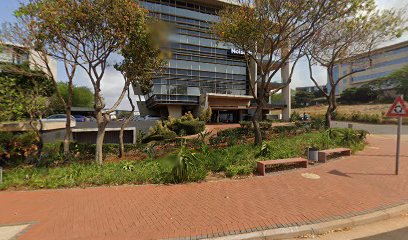
Isync Solutions is a Software company establishment in uMhlanga, KwaZulu-Natal, South Africa
Isync Solutions: ERP & PLM software for apparel manufacturing in uMhlanga, KwaZulu-Natal
Isync Solutions positions itself as a specialised software provider for the apparel sector, offering a comprehensive ERP and Product Lifecycle Management (PLM) platform designed to manage a garment style from inception through to delivery. The core proposition centres on unifying critical business processes under one system, enabling apparel companies to plan, source, manufacture and ship with improved visibility and control. The emphasis in the available material highlights a structured approach to both costing and operational execution, aimed at supporting exporters, manufacturers and retailers within the fashion supply chain.
The platform is built around a suite of modules described as “industry leading” and tailored to the unique rhythms of apparel production. At its heart is the concept of integrated modules that carry out end-to-end functions—from the initial style costing and material planning to inventory control, production sequencing, and final dispatch. Each module is framed with standard reports and dashboards intended to provide up-to-date information to users, helping managers and teams make timely, informed decisions.
Key services and capabilities offered by Isync Solutions include:
- Style Costing – A module that costings both locally sourced/imported products and manufactured garments. It accounts for fabric, trims, embellishments, packaging, utilisation, transport and reject allowances, alongside import costs such as FOB, duty, shipping and packaging for sourced items.
- Inventory – Comprehensive inventory management designed to support finished goods, with features aligned to warehouse operations and tracking accuracy. This module is integrated with other aspects of the system to support efficient stock management.
- Critical Path – A workflow-centric tool to prioritise tasks and flag forecasted delays and bottlenecks. It is particularly positioned as essential for streamlining sampling and pre-production processes by keeping milestones visible and actionable.
- Scan & Pack – A packing and fulfilment capability that uses UPC barcodes to ensure accurate picking and packing, reducing errors and customer chargebacks. It also offers integration with common shipping carriers.
- Tech Pack – Digital documentation for garment development and sourcing, consolidating style details, fabrics, trims, care instructions and related specifications to support production accuracy.
- Materials Purchasing – Management of fabric and trims purchasing, including the ability to identify required components for a single style or consolidate orders across multiple styles. The module is designed to track order status and improve sourcing efficiency.
- PLM (Product Lifecycle Management) – Supports product development, sourcing and manufacturing processes, helping styles progress through defined milestones from conception to production readiness.
- Allocation – Allocation logic that helps brands determine what inventory can be allocated to outstanding orders, taking into account delivery dates and inventory availability to optimise picking and dispatch.
- Sales Management & Sales Orders – Management of customer orders within an Omni-channel framework, including orders generated remotely via mobile and web interfaces, and linked to forecasting and reporting tools.
- Materials Inventory – Management of fabric and trims inventory, with scanning capabilities to enable quick stock retrieval and support for 3PL or on-site warehousing arrangements.
- Product Orders – Creation of purchase orders for sourced or imported products, with full bill of materials (BOM) details for cutting or production planning.
- Business Intelligence – A broad reporting suite featuring 80+ industry-specific standard reports to inform operations, planning and financial analysis.
From an observer’s vantage, the described workflow emphasises an integrated ecosystem where product design, material sourcing, production planning and distribution are interconnected. The platform appears designed to reduce manual data handling, improve accuracy in costing and inventory, and provide real-time visibility across the supply chain. The inclusion of mobile and web-enabled order capture further suggests an effort to support multi-channel sales and responsive supply chain management.
Practical tips for prospective customers include: map existing processes to module capabilities to identify where gains in speed and accuracy can be made; prioritise modules that address the most time-consuming bottlenecks (such as Critical Path for pre-production or Scan & Pack for fulfilment accuracy); ensure data quality in the style master and BOM to maximise the value of costing, inventory and reporting functions; and assess integration needs with shipping carriers and e-commerce channels to leverage the full Omni-channel potential.
Isync Solutions’ stated focus on the apparel industry indicates a niche capability, with the modules and workflows tailored to common fashion supply chain requirements. The available content does not specify business hours or the precise geography beyond the reported base in South Africa, but the uMhlanga location situates it along KwaZulu-Natal’s northern coast. For organisations seeking a consolidated ERP/PLM solution for garment production, Isync Solutions presents a platform with depth in costing, material management, production planning and downstream fulfilment.
uMhlanga
KwaZulu-Natal
Umhlanga Ridge, uMhlanga
South Africa
Sorry, no records were found. Please adjust your search criteria and try again.
Sorry, unable to load the Maps API.
Software company services in uMhlanga, KwaZulu-Natal
Situated in the coastal town of uMhlanga, KwaZulu-Natal, software companies in this region typically offer a range of practical technology services designed to support local and regional businesses. The emphasis tends to be on delivering reliable, scalable solutions that align with South Africa’s business landscape, regulatory environment, and the needs of small to medium-sized enterprises.
Software development in uMhlanga commonly includes custom software creation to address specific operational requirements. Clients may describe workflows, data handling needs, and reporting requirements, with developers translating these into tailored applications. Although the exact technology stack can vary, the goal remains the same: to improve efficiency, accuracy, and decision-making by automating processes and consolidating information.
Mobile and web applications are frequently provided to extend access to critical services beyond traditional offices. This can involve responsive web interfaces or native mobile apps that support field staff, customer interactions, or remote monitoring. The work typically begins with requirements gathering, followed by iterative design, development, testing, and deployment, with emphasis on delivering a usable product that integrates smoothly with existing systems.
Cloud and infrastructure services are another common focus. Local software teams may assist with cloud migration planning, data protection, and the optimisation of hosting arrangements. The aim is to offer scalable resources, improved accessibility, and dependable backups while keeping security considerations at the forefront. Practical considerations often include data sovereignty, redundancy, and cost management, especially for organisations seeking predictable monthly expenses.
Systems integration is regularly addressed to ensure disparate tools and data sources work in concert. This can involve connecting financial software, customer relationship management (CRM) systems, and enterprise resource planning (ERP) modules, as well as bespoke databases. The result is enhanced data consistency and a single source of truth for organisational reporting. Clients should expect clear scoping, phased delivery, and strategies to minimise disruption during integration work.
Support and maintenance form an essential part of the offering. Post-implementation services typically cover bug fixes, performance optimisation, security updates, and routine maintenance. Service levels may be discussed in terms of response times, issue categorisation, and planned upgrade cycles. Long-term support tends to be structured to align with business hours and time zones relevant to South Africa and neighbouring markets.
Cybersecurity, data protection, and compliance are increasingly emphasised, particularly for businesses handling sensitive information or regulated data. Software teams may advise on threat reduction, secure development practices, access controls, and regular audits. Rather than promising specific feature sets, the focus is on establishing prudent safeguards and governance that fit the organisation’s risk profile and budget.
A typical engagement in uMhlanga begins with an initial consultation to understand objectives, followed by a proposal outlining deliverables, timelines, and estimated resources. The process usually involves collaborative workshops, phased milestones, and ongoing feedback loops. Clients can expect transparent communication, pragmatic planning, and documentation that clarifies responsibilities and expectations.
When choosing a software partner in this part of KwaZulu-Natal, considerations include familiarity with local business needs, responsiveness, and the ability to scale as the organisation grows. Proximity can support timely meetings and clearer oversight, while remote collaboration remains a viable option for many projects. Ultimately, the aim is to deliver practical, dependable software solutions that enable organisations in uMhlanga to operate more efficiently and compete effectively.