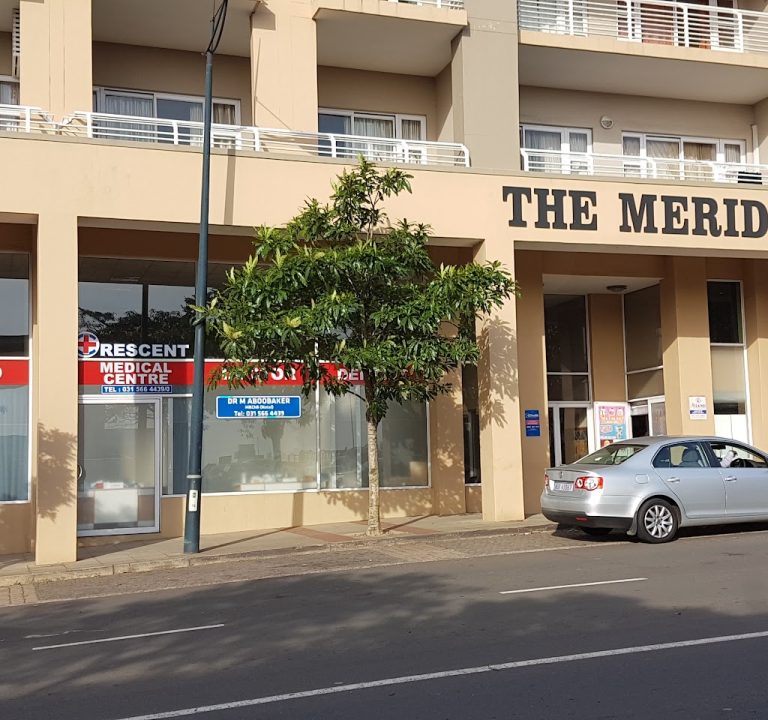
iWhiz is a Education center establishment in uMhlanga, KwaZulu-Natal, South Africa
iWhiz: Education Centre in uMhlanga, KwaZulu-Natal – Services and Customer Experience
iWhiz presents itself as a CAPS-aligned online learning app designed to support learners from Grade R to Grade 12. Tailored for the South African education system, the platform offers structured lessons, interactive quizzes and curriculum-based academic reinforcement that can be accessed anytime, anywhere. Although information on a physical centre in uMhlanga is not detailed on the site, the service is positioned as a nationwide digital learning resource, suitable for families and students in KwaZulu-Natal and beyond who are seeking supplementary assistance alongside classroom teaching.
The core offering centres on structured academic support that aligns with South Africa’s CAPS curriculum. Lessons are presented in a progressive sequence intended to mirror and reinforce classroom learning. The approach aims to help learners consolidate core subjects, revise effectively and cultivate independent study habits. The emphasis on structure is designed to guide students through a logical learning path, ensuring that each topic builds on previous understanding rather than presenting isolated material.
Key services commonly accessed through iWhiz include:
- CAPS-aligned curriculum support across all school phases (Foundation to FET).
- Structured lesson progression that guides learners through topics in a logical sequence.
- Interactive quizzes intended to reinforce concepts and aid retention.
- Curriculum-based revision and exam preparation support for constructed assessment readiness.
- Digital, mobile-friendly access enabling study on-demand at home, on commutes or in school breaks.
In terms of typical user experience, learners are described as using the app to reinforce what is taught at school, complementing classroom instruction rather than replacing it. The digital format is designed to accommodate varied study patterns—from brief, frequent review sessions to longer revision periods ahead of assessments. The emphasis on accessibility “anytime, anywhere” suggests a flexible model that supports ongoing practice outside school hours and during evenings or weekends.
What this means for the customer journey is a straightforward and convenient process. First, learners access structured lessons aligned to their grade level. Next, they progress through the content in a guided manner, with interactive quizzes providing immediate reinforcement and feedback. Finally, learners undertake review activities and revision tasks to consolidate understanding and prepare for tests and examinations. The platform is positioned as a practical companion for independent study, helping students establish consistent study habits and self-directed learning routines.
From a customer experience perspective, several practical benefits emerge. The digital format reduces barriers to access, allowing students in rural and urban communities across South Africa, including KwaZulu-Natal, to engage with curriculum-aligned content without reliance on in-person tutoring. The focus on independent study supports learners in developing time-management and self-discipline skills that are valuable across educational stages and future study or work settings.
For families and learners considering iWhiz, practical tips can help optimise the experience. First, ensure a reliable internet connection and a compatible mobile device, since the service is designed for accessible on-the-go learning. Second, establish a regular study schedule that mirrors school timings, using the structured progression to create predictable routines. Third, use the interactive quizzes actively—treat them as diagnostic tools that highlight areas needing reinforcement. Fourth, pair digital practice with traditional study methods where possible, such as summarising concepts in your own words or explaining topics aloud to reinforce understanding. Finally, monitor progress through any available in-app analytics or progress reports to identify strengths and target weaker areas for focused revision.
Operational details such as hours of operation or physical location are not explicitly stated on the site. The service places emphasis on digital accessibility and nationwide reach, indicating that learners across South Africa can access the platform at their convenience. For parents and students located in uMhlanga, this means potential access to a nationwide, CAPS-aligned resource that can supplement local schooling and exams, subject to any device and connectivity considerations.
uMhlanga
KwaZulu-Natal
4001
South Africa
Sorry, no records were found. Please adjust your search criteria and try again.
Sorry, unable to load the Maps API.
Education centre services in uMhlanga, KwaZulu-Natal
In the coastal town of uMhlanga, KwaZulu-Natal, education centres typically serve a broad spectrum of learners, from school-age pupils seeking after-school support to adults pursuing continuing education. These centres are commonly located within easy reach of residential areas and business districts, reflecting the town’s role as a gateway to the north coast of KwaZulu-Natal. The offerings tend to centre on structured learning programmes designed to complement formal schooling, enhance employability, or provide access to lifelong learning opportunities.
Core services generally include after-school tuition and homework supervision for children and teenagers. These programmes aim to reinforce classroom learning, develop core literacy and numeracy skills, and provide guidance on study routines. In addition, many centres run subject-specific tutorials, such as mathematics, science, languages, and social studies, often grouped by age or grade level. For adult learners, programmes frequently focus on foundational literacy and numeracy, language development, and preparation for basic qualifications. Some centres also provide shorthand or business-related short courses that align with local labour market needs.
Language courses are a common feature in uMhlanga’s education centres, reflecting the multilingual landscape of KwaZulu-Natal. Participants may have opportunities to improve English proficiency or engage with isiZulu and other local languages. Practical aspects of language learning—such as conversation practice, reading comprehension, and writing skills—are usually supported through small-class formats or one-to-one sessions. For learners preparing for external examinations, such as national or regional assessments, structured revision classes and practice assessments are commonly offered.
Beyond academic tuition, many education centres provide study skills and personal development support. Workshops on time management, examination technique, note-taking strategies, and memory aids are frequently included to foster independent learning. Mentoring and guidance on goal setting, course choices, and progression pathways may also form part of the service mix, particularly for learners navigating transitions between school, further education, and the workforce.
Facilities found in uMhlanga education centres often feature comfortable learning spaces, quiet study areas, and resources such as libraries, reference books, and standard classroom equipment. Some venues offer computer access, which supports digital literacy and access to online learning materials. Where available, centres may provide light refreshments or a study-friendly environment designed to minimise distractions and create a conducive atmosphere for focused study sessions.
- Hours and scheduling: Sessions typically run after school hours, in the evenings, or on weekends to accommodate learners’ families and work commitments. Flexible timetables may be available to suit individual needs.
- Safety and accessibility: Practical considerations include safe premises, clear access routes, and bicycle or car parking on site. The suitability of facilities for learners with additional needs may vary between centres.
- Location and transport: Proximity to residential areas, schools, and public transport routes is advantageous for regular attendance, especially in a town like uMhlanga where coastal traffic patterns can influence travel times.
- Costs and funding: Fees are commonly variable and communicated at enrolment. Some learners may access community programmes or outreach support, depending on the centre’s partnerships and local grants.
Overall, education centres in uMhlanga are geared towards supportive, accessible learning environments. They provide a mix of academic assistance, practical study skills, and personal development opportunities, designed to complement formal schooling and empower learners to progress with confidence in KwaZulu-Natal’s dynamic educational landscape.