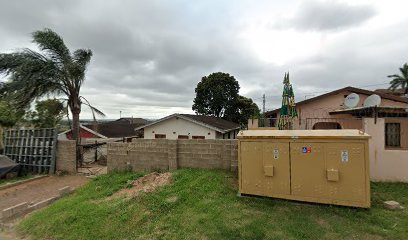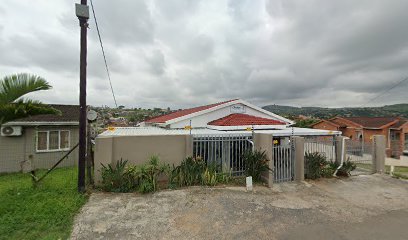
JOSHUA GENERATION is a Church establishment in Durban, KwaZulu-Natal, South Africa
Durban
KwaZulu-Natal
4068
South Africa
Sorry, no records were found. Please adjust your search criteria and try again.
Sorry, unable to load the Maps API.
Church services in Durban, KwaZulu-Natal: what to expect
Durban’s churches sit at the heart of a diverse urban tapestry, reflecting a broad spectrum of Christian traditions and cultural influences. In KwaZulu-Natal’s coastal city, worship styles range from formal liturgies to contemporary praise gatherings, with many congregations welcoming visitors from nearby neighbourhoods, suburbs and townships. Services are typically held on Sundays, but midweek gatherings for prayer, Bible study or youth activities are common, offering additional opportunities for participation and support within the community.
Across denominations, Sunday worship usually combines a structured order with moments of personal reflection. A typical service may begin with music or hymns led by a choir, organ or modern worship team. This is followed by prayers, readings from scripture, and a sermon or gospel message delivered by the pastor, priest, or minister. For many congregations, the service culminates in a time of congregational praise, blessing and a closing benediction. Sacramental acts such as baptism or communion are observed where appropriate, often at set times or as part of a special service. Some churches also incorporate language variations, with portions of the service conducted in English, isiZulu or other local languages, to reflect Durban’s multilingual community.
Churches in Durban frequently emphasise inclusivity and outreach. School-age programmes, youth groups, and adult Bible study sessions are common, providing learning and fellowship outside Sunday morning worship. Charitable initiatives, food drives, and community support projects may be announced during services, inviting participation from attendees who wish to contribute or volunteer. Music remains a central feature for many congregations, ranging from traditional choral and organ accompaniment to contemporary bands and gospel choirs, depending on the denomination and venue.
Visitors should anticipate a respectful atmosphere and a sense of hospitality that is typical of many Durban churches. Dress codes vary by congregation; some prefer modest, smart attire, while others are more casual. Arriving a few minutes early allows time for seating and informal welcomes from stewards or church members. It is wise to familiarise oneself with local etiquette, such as waiting for the congregation to finish a hymn before taking a seat or stepping out during quiet moments of prayer.
Practical considerations help ensure a smooth experience. Parking is often available on-site or nearby, though some larger churches may utilise public transport routes or designated drop-off areas. Accessibility is a priority for many venues, with wheelchair access and disabled toilets provided where possible. Attendance may be recorded in some churches for pastoral or community purposes, though this depends on local practice and the denomination’s governance. Offerings or collections are customary in many services, and visitors are usually welcome to participate or to observe quietly if preferred. Hygiene and safety protocols are observed, particularly in larger gatherings, with security arrangements sometimes visible at the doors or campus entrances.
In summary, Durban’s church services offer a blend of traditional reverence and contemporary expression, shaped by the city’s cultural and linguistic diversity. Visitors can expect welcoming communities, meaningful worship, and opportunities to engage in spiritual reflection, as well as practical details that cater to convenience, accessibility and participation across neighbourhoods in KwaZulu-Natal.