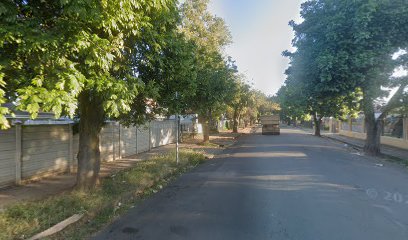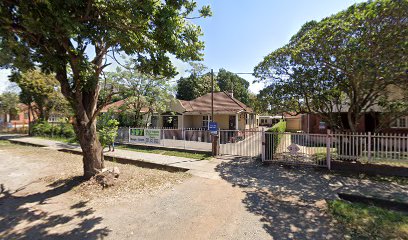
K Z N Christian Social Services is a Church establishment in Pietermaritzburg, KwaZulu-Natal, South Africa
Pietermaritzburg
KwaZulu-Natal
3201
South Africa
Sorry, no records were found. Please adjust your search criteria and try again.
Sorry, unable to load the Maps API.
Church Services in Pietermaritzburg, KwaZulu-Natal
Church life in Pietermaritzburg offers a varied range of worship experiences across the city and its surrounding suburbs. The historical landscape of KwaZulu-Natal is reflected in the diverse church communities operating within the metropolitan area, from long-established congregations to newer church plants. In general, services are designed to be welcoming to both regular attendees and visitors, with attention given to accessibility, warmth, and a sense of community.
Most services in Pietermaritzburg begin with a period of quiet preparation or congregational singing, often led by a music ministry or choir. The starting time is typically published in church notices, and late arrivals are accommodated wherever possible. Gatherings usually include a combination of hymns or contemporary worship songs, spiritual readings, and prayers that reflect a range of Christian traditions represented in the city. Sermons or homilies tend to be characteristic of the local church’s denomination or theological emphasis, addressing matters of faith, ethics, and daily living in a South African context.
Participants can expect a familiar structure in many churches, though not every service follows the exact same pattern. Common elements include:
- Opening worship and prayers
- A reading from Scripture, followed by a message
- A time of reflection or response, sometimes including a short moment of silence
- Communal prayers, often including prayers for the locality and nation
- An offering collection, the proceeds of which support church activities and charitable endeavours
- A concluding blessing or benediction
In Pietermaritzburg, some services may integrate local musical traditions and languages, reflecting the city’s cultural diversity. The use of local choirs, guest preachers, or visiting speakers may occur, offering varied perspectives within a shared Christian framework. Communion or Eucharist is observed in many churches on a regular basis, though the frequency and method can differ between denominations. Baptism remains a key sacramental act in appropriate programmes for adults and infants in different congregations.
The practical experience of attending a church service in this region is often shaped by the local climate, travel arrangements, and the availability of parking. Pietermaritzburg churches tend to emphasise hospitality, with greeters or welcome teams ready to provide directions, introductory information, or assistance to first-time attendees. Some venues are purpose-built with modern facilities, while others reside in historic buildings, which may influence accessibility and comfort, particularly for those with mobility needs or young families.
Families and individuals will find child-friendly provisions in many churches, including crèches or Sunday school programmes during or adjacent to main services. In several congregations, youth groups and adult study circles operate outside Sunday worship, offering additional opportunities for learning and fellowship. Information about these activities is usually distributed through church notices, newsletters, or the official website.
Practical considerations for visitors include checking service times, dress norms (which can range from formal to casual), and the availability of public transport or parking. Respect for local customs and language preferences is appreciated, especially in multicultural communities where services may incorporate isiZulu or other local languages alongside English. For those new to church life, staff and volunteers are typically patient and informative, ready to explain liturgy, prayer formats, and the structure of the service.
Overall, church services in Pietermaritzburg provide a steady pattern of worship, reflection, and community engagement, balanced with the realities of regional life in KwaZulu-Natal. Visitors leave with a sense of belonging to a broader spiritual conversation that continues beyond the sanctuary doors.