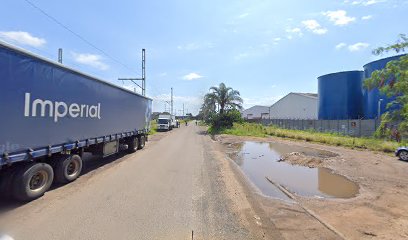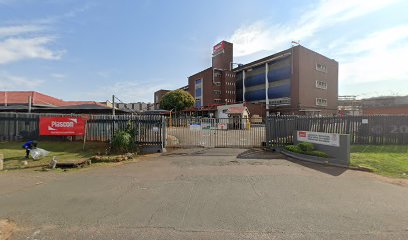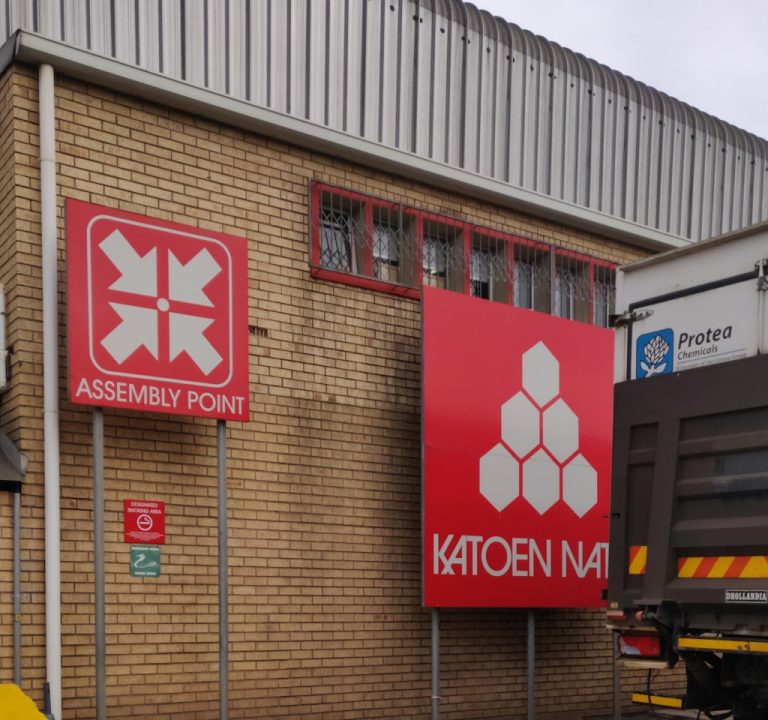
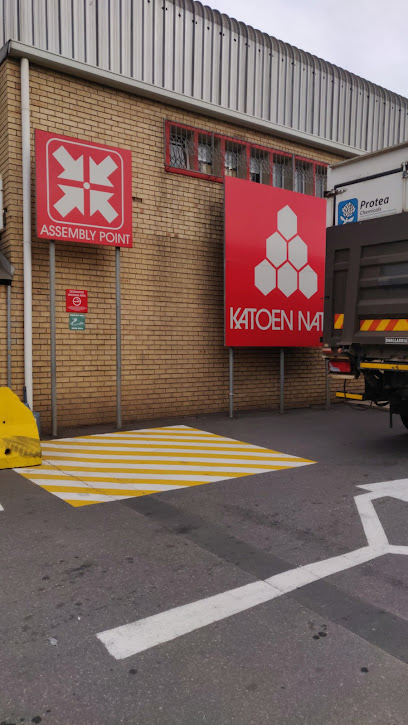
KATOEN NATIE is a Transportation service establishment in Durban, KwaZulu-Natal, South Africa
Katoen Natie – Transportation and value-driven logistics services in KwaZulu-Natal, South Africa
As an independent observer assessing Katoen Natie’s transportation and logistics offering, the company presents itself as a hands-on, engineering-informed partner for high-volume and high-value product movements. The core message emphasises applied engineering integrated into logistics, with a focus on delivering cost-efficient, reliable and sustainable solutions that enhance the performance of customers’ supply chains.
In terms of services, Katoen Natie positions itself as more than a traditional transport provider. The organisation highlights a structured approach where specialised business units align with industry needs to deliver customised solutions. Its capabilities span loading and unloading operations, product flow handling and process engineering, all designed to create added value within customer supply chains. The emphasis is on tailoring solutions to industry-specific requirements through autonomy at the business-unit level, supported by central services to preserve economies of scale and a bespoke client-focused approach.
Assets and infrastructure constitute a central pillar of the offering. The company notes ownership of substantial warehousing capacity, with millions of square metres of space, hundreds of silos and platforms. This asset base underpins reliability and continuity of operations, enabling Katoen Natie to design, build, own, and operate core logistics facilities. Such a footprint supports flexible, fast decision-making and the capability to experiment with process improvements in warehousing and intralogistics infrastructure.
Technology and software play a prominent role in the transport and logistics solution set. In-house software development is described as a driver of efficiency, with systems designed to manage and optimise product flows, adapt to the specific characteristics of each shipment, and align with customer IT networks where appropriate. This software-centric approach aims to reduce errors and unnecessary costs while enabling tighter integration with clients’ existing digital ecosystems.
Service delivery is further differentiated by the integration of engineering, operations and industry knowledge. The company highlights collaborations between engineering disciplines and operations teams, yielding time-to-market improvements and ongoing process optimisation. The result is an adaptable, data-informed service model that seeks to improve throughput, efficiency and overall reliability across various logistics scenarios.
The tone throughout suggests a comprehensive portfolio rather than a single standardised product. Clients can expect tailored logistics programmes backed by technical expertise, proprietary software, and a robust asset base. The focus appears to be on end-to-end supply chain enhancements—from designing optimal product flows to implementing and operating the physical and digital components required to realise those flows.
How requests tend to be managed is framed around a consultative, project-oriented workflow. Clients are encouraged to engage through the typical touchpoints listed on the site, such as the contact channel and locations page. The language implies assessment, design and deployment phases, with ongoing collaboration to refine solutions in response to evolving customer needs and market conditions.
Main services offered
- Integrated transport and logistics solutions underpinned by applied engineering
- Asset-backed warehousing and intralogistics, including extensive storage capacity and specialised infrastructure
- In-house software development to manage and optimise product flows
- Industry-focused operational excellence supported by autonomous business units
- Process engineering and product-flow optimisation to improve efficiency and performance
Typical job types and industries are not exhaustively listed in the source material, but the emphasis on high-volume, high-value, or high-effort products, along with ICT-enabled solutions, suggests work across sectors requiring sophisticated logistics and engineering integration. The site notes that the business units carry industry-specific knowledge, enabling tailored handling for specialised goods and processes.
Practical tips for customers
- Leverage the in-house software by coordinating with the dedicated contact points to explore how digital tools can link with existing IT systems.
- Discuss industry-specific requirements with a Katoen Natie representative to obtain a customised solution rather than a generic offering.
- Prepare clear product characteristics and process requirements to enable effective flow engineering and optimisation from the outset.
- Investigate the asset network and facility footprint to assess how warehousing and transport assets align with operational needs and peak demand periods.
For those seeking more information, the site provides contact avenues and location details to initiate discussions about tailored logistics solutions. While specific Durban-area operational data is not published in the current materials, Katoen Natie presents itself as a globally integrated logistics partner with a pronounced focus on engineering-led, value-added transport solutions and a substantial asset base to support reliable service delivery.
Durban
KwaZulu-Natal
4052
South Africa

Sorry, no records were found. Please adjust your search criteria and try again.
Sorry, unable to load the Maps API.
Overview of Transportation Service Options in Durban, KwaZulu-Natal
Durban, a major urban centre on the east coast of South Africa, presents a diverse range of transportation services designed to meet business, commuter, and visitor needs. The landscape includes traditional taxi networks, urban and rural bus services, private hire and shuttle operations, as well as freight and courier solutions. Each category commonly emphasises reliability, safety, and accessibility, with service levels shaped by traffic patterns, climate, and local infrastructure.
Public and shared passenger transport in Durban covers several practical options. Local taxi services operate across dense urban routes and quieter neighbourhoods, often providing flexible door-to-door movement within larger townships and suburbs. Bus services, including larger municipal providers and partner networks, offer scheduled routes connecting townships, commercial hubs, and downstream regional destinations. For longer journeys or airport movements, private hire and shuttle services provide pre-arranged transport with fixed times and destinations, helpful for organised events, business travel, or group transfers.
For travellers requiring vehicle access with a driver, car hire and chauffeur services are common. These arrangements enable corporate travellers and visitors to navigate the city with convenience and predictable timing, while allowing for longer day trips to coastal towns, inland reserves, or nearby towns within KwaZulu-Natal. Freight and courier services form a separate yet integral component, moving goods between Durban’s port facilities, warehouses, and commercial districts. This segment emphasises payload capacity, safe handling, and timely delivery within regional logistics chains.
Safety, compliance, and practical considerations are central to Durban’s transportation landscape. Vehicles are frequently inspected to meet roadworthy standards, and drivers are expected to hold appropriate licences and adhere to traffic regulations. On the road, congestion and variable weather can influence journey times, particularly during peak hours and coastal traffic events. When planning travel or shipments, it is prudent to allow extra time for delays, confirm routes, and consider alternate options in the event of disruptions.
Booking and payment models tend to vary by service category. Public transit operates on published timetables and ticketing systems, while private and shuttle services typically require pre-booking, with confirmation of pick-up points and contact details. Payment methods may include cash, debit or credit cards, and mobile money where available, with some operators offering business invoicing for corporate arrangements. Clear communication about pick-up locations, contact persons, and any accessibility needs helps minimise miscommunications and improves the overall experience.
Durban’s geographical layout—spanning a busy harbour, coastal crescent, and inland suburbs—means practical considerations include access to parking, safety in high-footfall areas, and the potential for rapid changes in weather. For visitors, coordinating transfers from King Shaka International Airport or the harbour precincts to hotels and conference venues can streamline the initial phase of a stay. For businesses, reliable transportation support can facilitate client meetings, site visits, and personnel movement between depots and offices across the KwaZulu-Natal region.
In summary, transportation service offerings in Durban reflect a balance between urban mobility, regional connectivity, and goods movement. The emphasis remains on dependable scheduling, safety and compliance, transparent pricing where applicable, and clear communication between operators and customers. By understanding the typical service categories and practical considerations, clients can select transportation arrangements that align with travel plans, everyday commuting needs, and logistical requirements throughout KwaZulu-Natal.