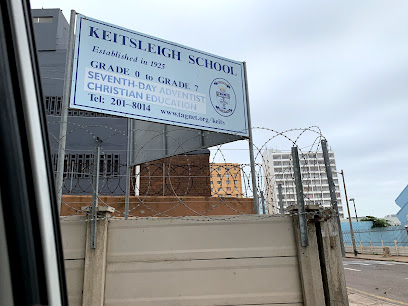
Keitsleigh School is a Primary school establishment in Durban, KwaZulu-Natal, South Africa
Durban
KwaZulu-Natal
4000
South Africa

Sorry, no records were found. Please adjust your search criteria and try again.
Sorry, unable to load the Maps API.
Primary School Services in Durban, KwaZulu-Natal
Durban, located on the east coast of South Africa, offers a diverse range of primary school services designed to support the developmental and educational needs of learners from ages five to around eleven. These services are typically provided by independent schools, government-run institutions, and faith-based or community organisations, each with its own ethos and emphasis. Across the city and neighboring towns, families can expect schools to prioritise a holistic approach to schooling, combining academic foundations with social, emotional and physical development.
Curriculum, teaching and support services are structured to align with national standards while adapting to local contexts. Core subjects usually include languages, mathematics, science, and social studies, supplemented by the arts, physical education and technology. Many schools place emphasis on bilingual or multilingual instruction, commonly incorporating English and an additional local language. Additional learning support may be available for learners who require extra assistance, including reading intervention, numeracy tutoring, and specialised programmes for learners with additional needs. Where appropriate, schools may partner with district or regional resources to enhance inclusive education practices and to access professional guidance.
Facilities and safety form an important part of the Durban primary schooling experience. Most campuses feature purpose-built classrooms, libraries, laboratories or resource centres, and dedicated areas for sport and recreation. Outdoor spaces, playing fields and splash play areas are common, reflecting Durban’s warm climate and emphasis on active lifestyles. Transport arrangements, if offered, typically include school buses or approved transport providers, with staggered start and finish times to accommodate peak traffic and weather conditions. Enhanced security measures, well‑maintained fencing, and clear supervision protocols are often highlighted to reassure parents about pupil safety.
Enrolment processes and daily routines are designed to be straightforward while ensuring appropriate documentation and preparations are in place. Prospective families usually engage in school visits or open days to observe classrooms, facilities and the general atmosphere. Application timelines, placement tests or assessments, and waiting lists vary by school, but most institutions require birth certificates, immunisation records and proof of residential address. The school day commonly begins with roll call, assembly or quiet reading, followed by structured lessons, breaks for meals and play, and supervised study or enrichment activities after lessons as needed. Homework expectations are communicated by the school and tailored to grade level, with guidance on how families can support learning at home.
After-school and enrichment opportunities often feature prominently in Durban primary schools. These can include extracurricular clubs, sports teams, arts programmes and cultural projects that emphasise teamwork, discipline and creativity. Some schools offer extended care services or after-school supervision for working parents, sometimes incorporating light snacks and supervised study periods. While participation in after-school activities is voluntary, many families appreciate the chance to extend learning beyond the classroom and to foster social engagement among peers.
Parental involvement is generally encouraged, with opportunities to engage through parent-teacher associations, volunteering, or school events. Schools typically communicate through newsletters, digital portals, and noticeboards, outlining curricular goals, upcoming activities, and policy changes. Practical considerations for Durban families can include climate-aware planning for heat and rain, transport logistics during peak traffic, and ensuring appropriate school uniforms and equipment are prepared for the local climate.
In summary, Durban primary school services prioritise a balanced education that combines academic rigour with personal development, supported by a range of facilities, safety measures, and after-school options. Prospective parents are advised to consider the school’s ethos, accessibility, and community environment to determine the best fit for their child’s needs.