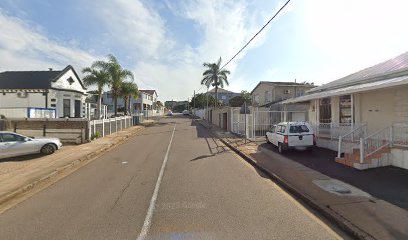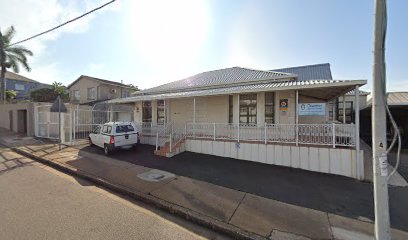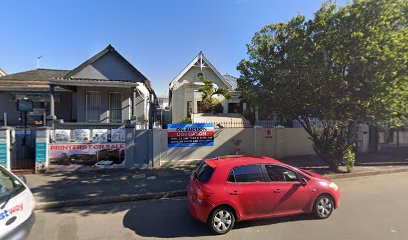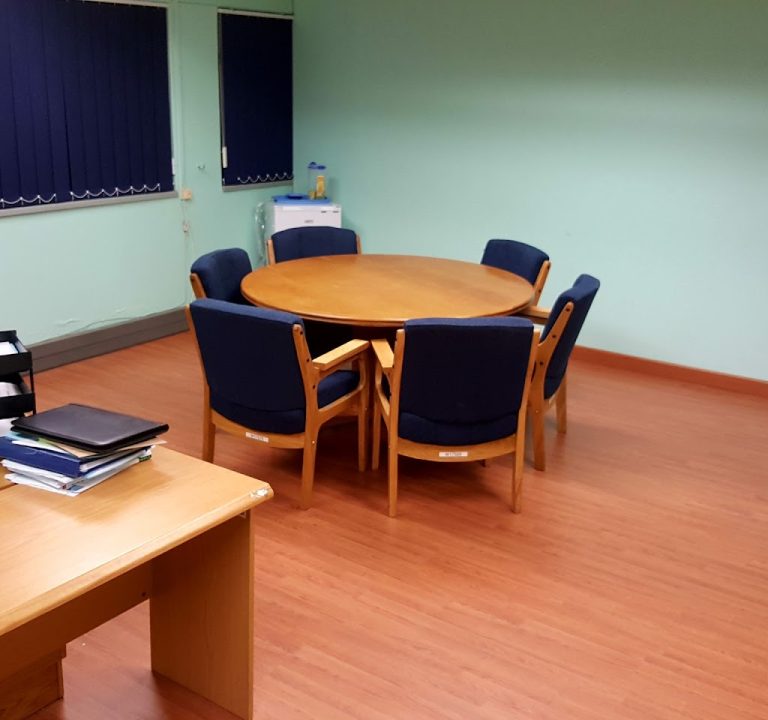
Kerala Ayurvedic Centre is a Medical clinic establishment in Durban, KwaZulu-Natal, South Africa
Overview of Kerala Ayurvedic Centre, Durban: services and customer experience
Kerala Ayurvedic Centre, situated in Durban, KwaZulu-Natal, South Africa, presents itself as a dedicated destination for authentic Kerala Ayurvedic treatments. The centre emphasises a holistic approach to wellness, combining traditional therapies with modern comfort to restore balance in the body, mind and spirit. The core philosophy centres on relaxation, purification and rejuvenation, aiming to address a range of ailments while minimising the potential for side effects often associated with conventional therapies.
Visitors can expect a structured pathway that begins with internal cleansing and purification, followed by a personalised programme that integrates dietary guidance, herbal medicines, massage therapy, yoga and meditation. The available information highlights a focus on treatment plans designed to reduce symptoms, enhance disease resistance and promote harmony in daily life. The centre positions its offerings as suitable for concerns spanning stress-related issues to chronic conditions, with a clear emphasis on the natural properties of herbs, oils and plant-based formulations that form the foundation of many therapies.
A key feature of the customer experience is the personalised attention provided by a dedicated Ayurvedic doctor, supported by skilled therapists. The emphasis on expert guidance suggests a consultative process where treatment journeys are tailored to individual needs. Notably, the centre markets a complimentary or no-cost entry point in the form of a free consultation with an Ayurvedic doctor, which underlines an intent to establish how best to address each guest’s circumstances before any treatment plan is undertaken. The presence of an Ayurvedic doctor in the early stages signals a focus on professional assessment and customised care.
In addition to traditional therapies, the centre offers Ayurvedic facial treatments designed to rejuvenate skin and promote a sense of calm and wellbeing. The facial options, including marma-type facial massage, are described as part of an overall skincare approach rooted in Ayurvedic principles. Treatments are framed as comprehensive, combining relaxation with targeted procedures to support skin health alongside broader body-moc-ing health benefits.
The website presents a suite of specialised packages and services under several banners, including Exclusive Treatment Packages and Special Treatments. The packages frequently advertised include Detox Programmes, Obesity – Weight Reduction Packages, Stress Management and a Relaxation Package. While specific details of each package are not enumerated in this overview, the intention is clear: structured programmes that integrate cleansing, diet, herbals, therapies and lifestyle practices to achieve particular wellness outcomes. The inclusion of detox and weight-management options suggests the centre targets both preventative and therapeutic aims, appealing to guests seeking life-style related improvements as well as symptomatic relief.
For those exploring options, the site provides pathways to view services and packages online, with calls-to-action directing visitors to learn more about offerings and to initiate contact. The presence of a WhatsApp contact link indicates a convenient channel for inquiries and initial conversations, reflecting a customer experience oriented toward accessibility and prompt communication. This approach aligns with a modern wellness service model where prospective clients can gather information, ask questions and obtain clarifications before committing to a programme.
In terms of location and the area served, the centre is described as being in Durban, supporting residents and visitors within KwaZulu-Natal seeking authentic Ayurvedic care rooted in Kerala traditions. The setting is portrayed as a tranquil environment designed to support deep healing and inner peace, with an emphasis on ambience—natural herbs, serene architecture and calming scents—to complement the therapeutic journey.
Practical tips for potential guests include taking advantage of the free Ayurvedic doctor consultation to establish whether Ayurveda is an appropriate path, and to gain an initial sense of the recommended treatment route. Prospective clients may wish to explore the range of exclusive treatment packages to identify a programme that aligns with personal wellness goals, whether they are stress-related, detox-focused or weight-management oriented. Given the focus on personalised care, arriving with an overview of health concerns, medical history and current medications can help the practitioners tailor an appropriate plan from the outset.
Overall, Kerala Ayurvedic Centre presents a comprehensive Ayurvedic experience in Durban, combining traditional methods with supportive modern amenities. The emphasis on professional assessment, personalised care, detoxification, relaxation and rejuvenation positions the centre as a credible option for individuals seeking holistic management of health concerns through time-honoured Ayurvedic practice.
Durban
KwaZulu-Natal
4001
South Africa
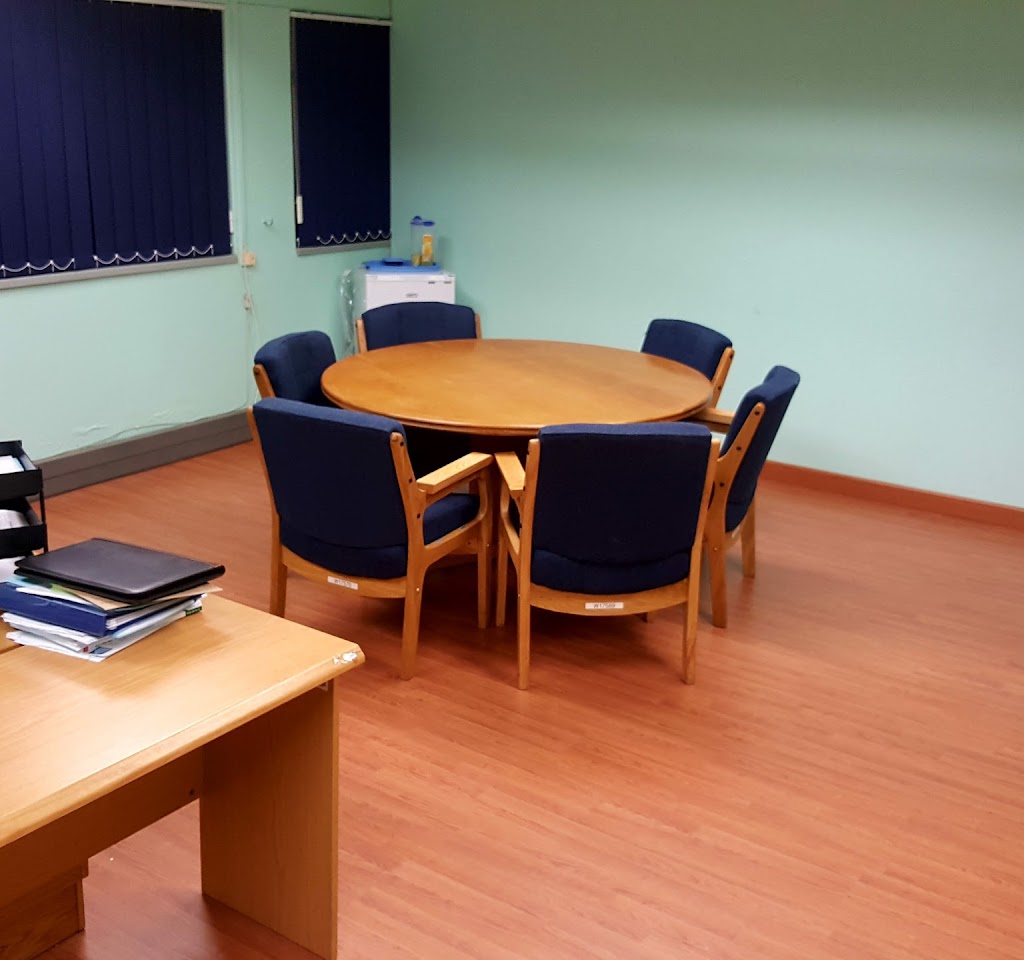
Sorry, no records were found. Please adjust your search criteria and try again.
Sorry, unable to load the Maps API.
Medical clinic services in Durban, KwaZulu-Natal
Medical clinics in Durban, KwaZulu-Natal play a pivotal role in primary health care, offering a range of general practice, preventive, and urgent care services to the community. These facilities are commonly staffed by general practitioners, nursing staff, and allied health professionals who collaborate to address common illnesses, chronic conditions, and routine health maintenance. The settings vary from small, patient-centred practices to larger clinics that operate as part of broader health networks, yet the core aim remains consistent: accessible, timely medical attention aimed at stabilising symptoms, diagnosing conditions, and supporting ongoing health.
Patients typically begin with a consultation that involves a review of medical history, a description of current symptoms, and basic examinations. In many cases, a nurse or medical assistant may take vital signs, collect specimens for testing, and assist the clinician during the visit. If further assessment is required, referrals may be made to specialists, diagnostic imaging, or laboratory services either on-site or at nearby facilities. While not every clinic offers every service, a common pattern includes well‑woman and well‑man checks, vaccination updates, chronic disease monitoring (such as hypertension and diabetes), and management plans that emphasise patient education and self-care.
The range of services commonly encountered in Durban clinics encompasses several key areas:
- Preventive care and health promotion, including routine check-ups, immunisations, travel health advice, and lifestyle counselling.
- Acute illness management, covering common respiratory infections, gastro‑intestinal disturbances, minor injuries, and emergency triage where necessary.
- Chronic disease management, with regular monitoring, medication review, and personalised action plans for conditions such as hypertension, diabetes, and high cholesterol.
- Women’s health services, including cervical screening uptake support, contraception guidance, prenatal and postnatal care referrals, and menopause management where appropriate.
- Mental health support, including initial assessments and referrals to counselling or specialised services as needed.
- Minor procedures and in-office diagnostics, such as wound care, vaccinations, basic laboratory tests, and point-of-care screening.
Facilities are designed to provide efficient access while ensuring patient safety and confidentiality. Appointment systems may range from walk‑in access to scheduled visits, depending on the clinic’s capacity and the urgency of care required. In urgent situations, clinics are equipped to perform initial assessments and stabilise patients, with arrangements for transfer to hospital emergency departments when advanced care is needed. Documentation is maintained to aid continuity of care, with written summaries of visits, prescribed medications, and recommended follow‑ups.
Practical considerations for residents and visitors in Durban include travel time, parking availability, and proximity to public transport, particularly in dense urban areas and peri‑urban communities. Language and cultural sensitivities are important in patient communication, with many clinics offering multilingual staff or interpretation services. Financial aspects often involve consultation fees, which may be standardised within public healthcare settings or vary in private clinics. Patients are typically advised to confirm whether a clinic accepts their medical aid or private payment, and to inquire about referral pathways for specialist care if needed.
In summary, medical clinics in Durban deliver accessible, practical care centred on prevention, early diagnosis, and ongoing management of health concerns. They function as a first point of contact within the broader South African health system, coordinating care with laboratories, imaging facilities, and specialist services to support the health and well‑being of the local population.