Khoza Agri Hub & Tunnel Installation (Pty) Ltd is a Agricultural service establishment in Durban, KwaZulu-Natal, South Africa
Khoza Agri Hub & Tunnel Installation (Pty) Ltd — Agricultural Service Summary
Khoza Agri Hub and Tunnel Installation is presented as an agricultural speciality business based in Durban, KwaZulu-Natal, with a particular focus on hemp farming alongside broader greenhouse and tunnel installation services. The firm is positioned as an end‑to‑end partner for farmers seeking to establish controlled-environment growing structures and navigate the regulatory and market facets of hemp and related agricultural activities.
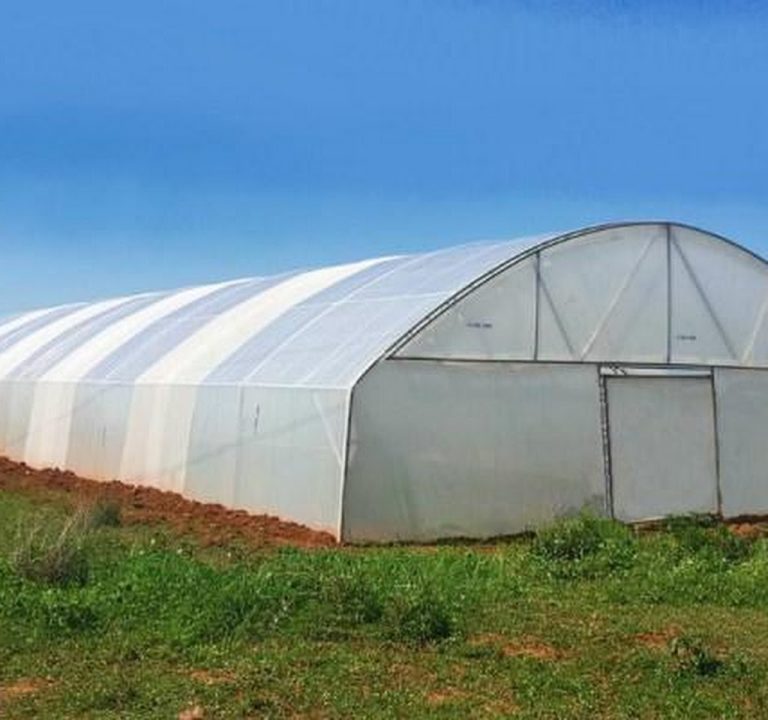
The primary offering described is the manufacturing and installation of greenhouse tunnels and polytunnels to client specifications. This encompasses design, fabrication and placement of tunnels tailored to individual farming needs, enabling controlled environments for crop production. The service is pitched as a turnkey solution, reducing the complexity for farmers who require reliable infrastructure to support year-round cultivation, improved yields and optimised resource use.
Supporting the physical infrastructure, the business promotes a holistic approach to hemp farming. This includes facilitating hemp permits and cannabis licences, together with additional export and permits support such as fishing and aloe export permits. The emphasis is on helping farmers comply with legal and regulatory requirements, ensuring that cultivation activities align with current statutory frameworks to unlock potential markets and export opportunities.
Beyond infrastructure and permitting, Khoza Agri Hub offers practical farm‑level support aimed at sustaining production from planting through to harvest. Services include assisting with farmer mentorship up to harvest, and helping farmers access markets. The aim is to connect farmers with buyers and channel their produce to end users such as chain stores and other market outlets, thereby supporting more predictable commercial pathways and potential revenue growth.
Further assistance is described in the form of establishing Farmer Support Units, which suggests a framework for ongoing technical and logistical guidance within farming operations. This may translate into structured advice on best practices, crop management and coordination of supply chains, helping to stabilise farming activities and improve efficiency across the enterprise.
In summary, the organisation presents itself as a partner that combines practical infrastructure installation with regulatory navigation and market access support. The breadth of services is designed to reduce common obstacles faced by farmers, including complex compliance processes, the search for reliable markets and the management of harvesting and processing logistics. The overall proposition emphasises accessibility, practical expertise and an integrated pathway from cultivation to sale.
Typical job types and projects implied by the stated repertoire would involve designing and installing customised greenhouse or tunnel systems for crops, particularly options suited to hemp cultivation, along with the necessary licensing and permit processes. Projects may also include coordinating the supply chain for harvested produce, mentoring farmers through to harvest, and facilitating market access to ensure that crops reach suitable buyers. In addition, there is an indication of collaboration with public and sector bodies given the mentions of training and partnerships in the broader agricultural landscape of KwaZulu‑Natal.
Requests for services are suggested to begin with introductory contact, after which the provider can discuss requirements, feasibility and timelines. The services portfolio implies a collaborative process—from initial consultation about client specifications and site conditions, through to installation, permitting, mentorship and market engagement. The business emphasises a pragmatic, all-encompassing approach intended to streamline the farming journey and reduce the administrative burden on clients.
Practical tips for potential customers include preparing clear farm specifications for tunnel dimensions and crop types, confirming regulatory status and licensing requirements for hemp or cannabis activities, and outlining preferred market channels early in the planning phase. It is prudent to consider long‑term support arrangements such as mentorship and market access plans to maximise crop performance and revenue potential. Early discussions about logistics, including transportation of produce to buyers, can help align installation work with harvest and delivery schedules.
Operational context notes indicate a Durban‑based base with service scope focused on KwaZulu‑Natal and related agricultural activity. While explicit business hours are not listed on the accessible materials, prospective clients may benefit from initiating contact during typical business hours to discuss project timelines, permitting, and installation planning. The site does provide contact channels, including a telephone line, for initial inquiries and scheduling discussions, and highlights an emphasis on accessibility and practical guidance for farmers seeking to realise their hemp and broader horticultural objectives.
Durban
KwaZulu-Natal
4000
South Africa


Sorry, no records were found. Please adjust your search criteria and try again.
Sorry, unable to load the Maps API.
Agricultural Services in Durban, KwaZulu-Natal
Durban, situated on the KwaZulu-Natal coast, presents a unique agricultural environment characterised by subtropical conditions, variable rainfall, and a busy urban hinterland. Agricultural services in this region tend to cover a broad spectrum of support, from farm consultancy and soil management to irrigation, crop protection, and post-harvest handling. The aim is to optimise yield while protecting soil health and ensuring efficient resource use in a challenging climate.
Agricultural service providers commonly offer integrated agronomy and farm management support. Clients can expect crop advisory services focused on regional crops, soil fertility plans, and practical recommendations tailored to local microclimates. Soil testing and analysis underpin fertiliser strategies, with emphasis on balanced nutrient applications that maximise uptake while minimising environmental impact. In Durban’s coastal belt, where soils can vary from sandy to more fertile loams, professional agronomists help interpret test results and translate them into seasonal programmes.
Irrigation is a central pillar of service provision in KwaZulu-Natal, given the seasonal rainfall patterns and occasional drought pressures. Providers frequently assist with the design, installation, and maintenance of irrigation systems, including drip and sprinkler layouts, pump selection, and water scheduling. Emphasis is placed on efficient water use, conservation measures, and automation where appropriate. Regular calibration and system checks are typical components of ongoing service contracts to ensure uniform distribution and reliable operation.
Crop protection and pest management form another core area. This includes advice on integrated pest management (IPM) strategies, pest monitoring, programme planning, and application guidance. The focus tends to be on locally important pests and diseases, with attention to regulatory compliance and safe handling of agrochemicals. Seasonal risk assessments help farmers anticipate potential outbreaks and adjust control measures accordingly.
Post-harvest handling, storage, and value-adding activities are also supported by agricultural service providers. Practical guidance on harvest timing, handling practices to minimise bruising or rot, cleaning protocols, and packaging considerations can help extend shelf life and marketability. Where relevant, expertise may extend to basic processing or processing planning, subject to local regulations and market opportunities.
Equipment and maintenance services frequently accompany agronomic support. This can include the sourcing or rental of farming implements, tractors, and irrigation components, as well as routine maintenance, fault diagnosis, and parts replacement. Such services help reduce downtime and keep operations on schedule, particularly in busy production periods.
In terms of practical considerations, Durban-based agricultural services recognise the importance of seasonal calendars, coastal winds, and the influence of high humidity on crop health. Organisations often provide risk assessments for weather events and guidance on protective measures for crops during periods of heavy rain or wind. Compliance with local regulations regarding chemical use, labour practices, and safety standards is emphasised, with attention to responsible stewardship and best practices.
For customers, the relationship with an agricultural service provider typically begins with a regional assessment: identifying soil types, water availability, crop targets, and logistical constraints. From there, customised plans are developed, implemented, and periodically reviewed to measure progress, adjust interventions, and support sustainable farming practices in Durban’s dynamic agricultural landscape.