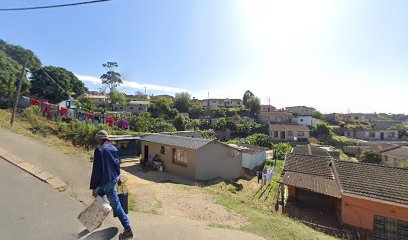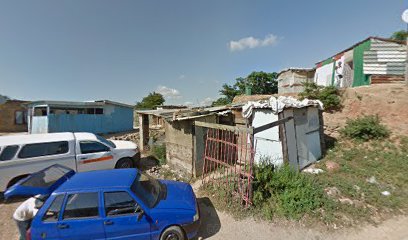
Khulani centre is a Community center establishment in Durban, KwaZulu-Natal, South Africa
Durban
KwaZulu-Natal
4066
South Africa
Sorry, no records were found. Please adjust your search criteria and try again.
Sorry, unable to load the Maps API.
Community Centre Services in Durban, KwaZulu-Natal
Community centres across Durban, KwaZulu-Natal, provide a focal point for local residents to access a range of social, educational, cultural and well-being services. They are typically established to support families, youth, older adults and neighbourhood groups by offering welcoming spaces, practical assistance and opportunities for learning and participation within the community.
Common services found at Durban’s community centres include after-school programmes for children and teenagers, often designed to provide safe supervision, homework help and educational enrichment. These sessions may feature tutoring, literacy activities, computer access and structured play. For families, centres frequently offer family support initiatives, domestic guidance, parenting workshops and referral pathways to larger municipal or non‑governmental services. Health and well-being activities are another staple, with occasional clinics, health education talks, nurse visits, vaccination drives or information sessions addressing prevalent local concerns.
Adults frequently utilise centres for skills development and cultural engagement. Practical courses—such as life skills training, job readiness workshops, budgeting and entrepreneurship guidance—help participants prepare for employment or personal advancement. Cultural and social programmes, including music, dance, craft, language groups and community gatherings, foster social cohesion and provide inclusive spaces for residents to celebrate local heritage and diverse backgrounds.
Access to information and learning resources is often a feature, with libraries or resource corners, computer access, and quiet study areas available for public use. Public libraries linked to community centres may extend lending services, reading clubs or author talks, supporting both children’s literacy and adult lifelong learning. Community events such as neighbourhood meetings, storytelling sessions and public health campaigns are commonly hosted, reinforcing civic participation and local networks.
Facilities typically include multipurpose halls, meeting rooms, outdoor spaces for sport and recreation, and kitchen or refreshment areas; many centres also provide safe play zones for children and accessible amenities for individuals with mobility needs. While the scale and exact offerings vary, centres tend to operate on inclusive principles, inviting participation regardless of background, while encouraging volunteers to contribute skills on a voluntary basis or through structured programmes.
Practical considerations for visitors and participants include checking the centre’s scheduling and booking requirements, as sessions often rely on timetables that reflect local school calendars and public holidays. Some services may require prior registration, parental consent for minors, or proof of residency, while others welcome drop-in visits. Fees, when applicable, are usually modest or waived for essential services, with subsidies or donations helping to sustain outreach activities. Accessibility is an important factor; many centres provide ramp access, wheelchair-friendly facilities, and child-friendly spaces, though facilities can vary in capacity and location.
Transportation to centres in Durban can influence attendance, particularly in suburban or peri-urban areas. Organised shuttle programmes or partnerships with local transport providers may exist in some communities, while others rely on personal transport or neighbouring families sharing rides. Centre staff and volunteers typically emphasise a welcoming, non-judgemental ethos and provide information about additional support services available through municipal departments or partner organisations.
Participation in programmes at Durban’s community centres often supports broader community resilience by enabling social connection, skills development and access to essential services. For residents seeking a friendly, convenient venue to learn, socialise or obtain guidance on local resources, these centres commonly represent a practical entry point into broader municipal and NGO-led initiatives, with activities tailored to the needs and rhythms of KwaZulu-Natal’s urban and rural neighbourhoods.