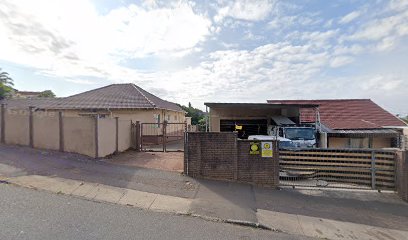
KID-U-CARE PLAY and LEARN CENTRE is a Play school establishment in Durban, KwaZulu-Natal, South Africa
Durban
KwaZulu-Natal
4061
South Africa
Sorry, no records were found. Please adjust your search criteria and try again.
Sorry, unable to load the Maps API.
Play School Services in Durban, KwaZulu-Natal: What to Expect
Play schools in Durban offer an introductory environment where young children can explore, learn, and socialise through structured play. Located across urban and coastal areas within KwaZulu-Natal, these settings aim to provide safe, stimulating spaces that support early childhood development while easing the transition to formal schooling. The experience is typically designed to be nurturing, age-appropriate, and inclusive, with attention given to both individual needs and group dynamics.
Programmes commonly centre on a balanced mix of play-based activities and guided learning. Recreational activities may include sensory play with age-appropriate materials, outdoor play in secure playgrounds, music and movement sessions, storytelling, and imaginative play. Early literacy and numeracy concepts are often introduced in a non-pressurised manner through routines, songs, rhymes, and hands-on activities. Careful consideration is given to the developmental milestones of toddlers and preschoolers, ensuring activities foster language acquisition, social skills, fine and gross motor development, and emotional regulation.
Durban play schools typically operate on part-time or full-day schedules aligned with school terms. Some options may provide flexible half-day programmes for younger children and longer sessions for those closer to school age. Attendance patterns often reflect the needs of families, including morning-only sessions, afternoon care, or full-day arrangements with a rest or nap period. Daily routines commonly incorporate snack times, rest periods, potty training support where appropriate, and ample opportunities for supervised rest in a calm atmosphere.
Safeguarding is an essential consideration. Reputable play schools emphasise secure access, trained staff, and clear policies around supervision ratios, emergency procedures, and parental communication. While specific qualifications and affiliations vary, providers typically communicate how staff are supported to create a welcoming and protective environment for little ones. Community values in KwaZulu-Natal may influence cultural activities and languages used in daily interaction, promoting inclusivity and respect for diverse backgrounds in Durban’s metropolitan and coastal contexts.
Parents assessing play schools in the Durban area often consider location convenience, transport options, and the surrounding neighbourhood safety. Proximity to workplaces or residential areas can significantly affect daily routines, while access to safe drop-off and collection points contributes to peace of mind. Facilities are generally designed to be child-friendly, with age-appropriate classrooms, secure indoor play areas, and outdoor spaces that encourage physical exploration. Cleanliness, ventilation, and adequate shading are usually prioritised, particularly in warmer KwaZulu-Natal climates.
Communication between play schools and families tends to be ongoing and multi-faceted. Daily notes, colour-coded activity plans, or brief verbal updates may be used to share progress and highlight notable achievements or needs. A warm, collaborative approach is common, inviting parents to participate in certain activities or to observe milestones during open days or special events. When seeking a suitable setting, considerations often include the emphasis on social interaction with peers, opportunities for imaginative play, and the balance between guided instruction and independent exploration.
Practical considerations extend to the curriculum themes offered. Many Durban play schools incorporate seasonal themes, local culture, and nature-inspired activities, leveraging the region’s climate and biodiversity. Outdoor play is typically an important feature, with shaded areas and secure boundaries to support safe exploration. Food policies, including nut-free or allergen-conscious menus, may be relevant for families with particular dietary requirements. Prospective parents are advised to visit several settings, observe interactions, and assess whether the environment feels welcoming, orderly, and responsive to the child’s cues.
- Structured play-based learning aligned with early developmental goals
- Age-appropriate routines, rest periods, and nutritional considerations
- Secure premises, qualified staff, and clear safeguarding practices
- Flexible scheduling options to suit family needs and transport logistics
- Open communication channels and opportunities for parental involvement