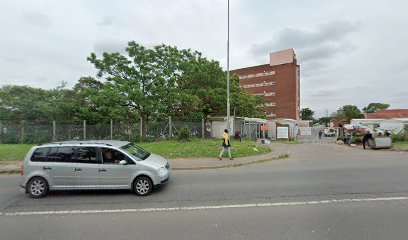
King Dinuzulu Hospital Complex – Aids Resource Centre is a Hospital establishment in Berea, Kwa-Zulu Natal, South Africa
Berea
Kwa-Zulu Natal
4091
South Africa
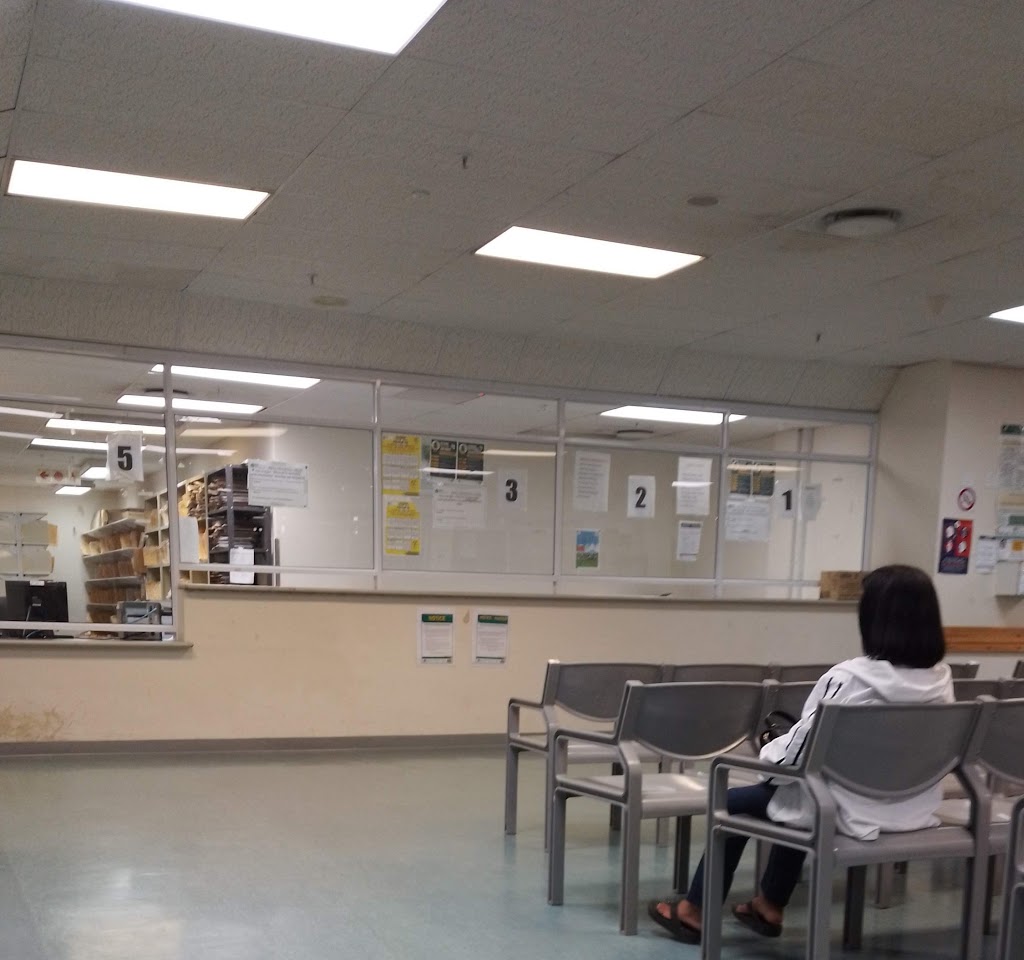

Sorry, no records were found. Please adjust your search criteria and try again.
Sorry, unable to load the Maps API.
Overview of Hospital Services in Berea, KwaZulu-Natal
Hospitals in Berea, KwaZulu-Natal, provide a range of acute and routine medical care aimed at meeting the needs of local communities and visiting patients. As with many urban facilities in South Africa, these hospitals typically combine emergency responsiveness with a suite of diagnostic, therapeutic, and stabilisation services designed to support patients from initial contact through to recovery or discharge. The environment emphasises efficient patient flow, multi-disciplinary collaboration and practical support for families and carers.
Emergency and acute care is foundational. An emergency department is usually staffed to handle urgent medical conditions, trauma, and sudden illnesses around the clock. Triage systems help prioritise cases by severity, ensuring those in critical need receive attention promptly. Following assessment, patients may be stabilised, admitted for inpatient care, or managed through rapid outpatient pathways when appropriate. The aim is to deliver timely intervention while coordinating with other hospital services to optimise outcomes.
Radiology and laboratory services form essential diagnostic support. Imaging capabilities commonly include X-ray, ultrasound, and, where available, more advanced modalities. Blood tests, cultures, and other laboratory investigations guide diagnoses and treatment plans. Rapid turnaround for critical results is a common expectation to support urgent decision-making.
Inpatient wards and surgical care are central to hospital operations. General medical and surgical wards accommodate a wide range of conditions, with some facilities offering dedicated units for maternal health, paediatrics, or specialised surgical disciplines. Where facilities permit, operating theatres enable procedures across elective and urgent cases. Post-operative recovery areas and routine monitoring help ensure patient safety in the immediate aftermath of procedures.
Maternity and neonatal services address childbirth and early life care. Antenatal care, labour and delivery, and postpartum support are typical components, with newborn examination and early infant care usually available within the hospital setting. Where maternity services operate, breastfeeding support and access to paediatric assessment are common adjuncts.
Pediatrics and child health services are designed to support younger patients and families. This includes preventive and curative care, vaccinations where relevant, and age-appropriate investigations. Child-focused observation and support services help address common illnesses, injuries, or developmental concerns that arise in hospital visits.
Rehabilitation, therapy, and discharge planning play roles in promoting recovery and safe transitions home. Physical therapy, occupational therapy, and speech and language services may be accessed to support independence after illness or injury. Social work and case management assistance help navigate funding, community resources, and follow-up appointments, contributing to a smoother discharge process.
Outpatient and day-case services enable follow-up consultations, management of chronic conditions, and minor procedures without overnight admission. Specialist clinics may exist for dermatology, orthopaedics, or other fields, with referrals arranged through primary care or hospital-based teams.
Pharmacy and pharmaceutical services ensure access to prescribed medicines and guidance on use. Hospital pharmacists work alongside clinicians to review drug interactions, allergies, and dosing regimens, contributing to patient safety.
Practical considerations for patients and families in Berea include understanding admission processes, signage and language options (with English and local languages commonly used), and visiting policies. Public transport accessibility, parking availability, and safe access for mobility-impaired individuals are practical factors often considered by those planning a hospital visit. General guidance suggests arriving with identification, any relevant referral information, and a clear list of current medications to assist in admission and treatment discussions.
Overall, hospital services in Berea are oriented towards comprehensive care, from accident and emergency to discharge and ongoing management. The emphasis remains on clear communication, coordinated teams, and supportive pathways that help patients recover and return to their communities as efficiently and safely as possible.