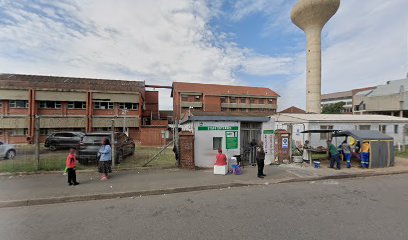
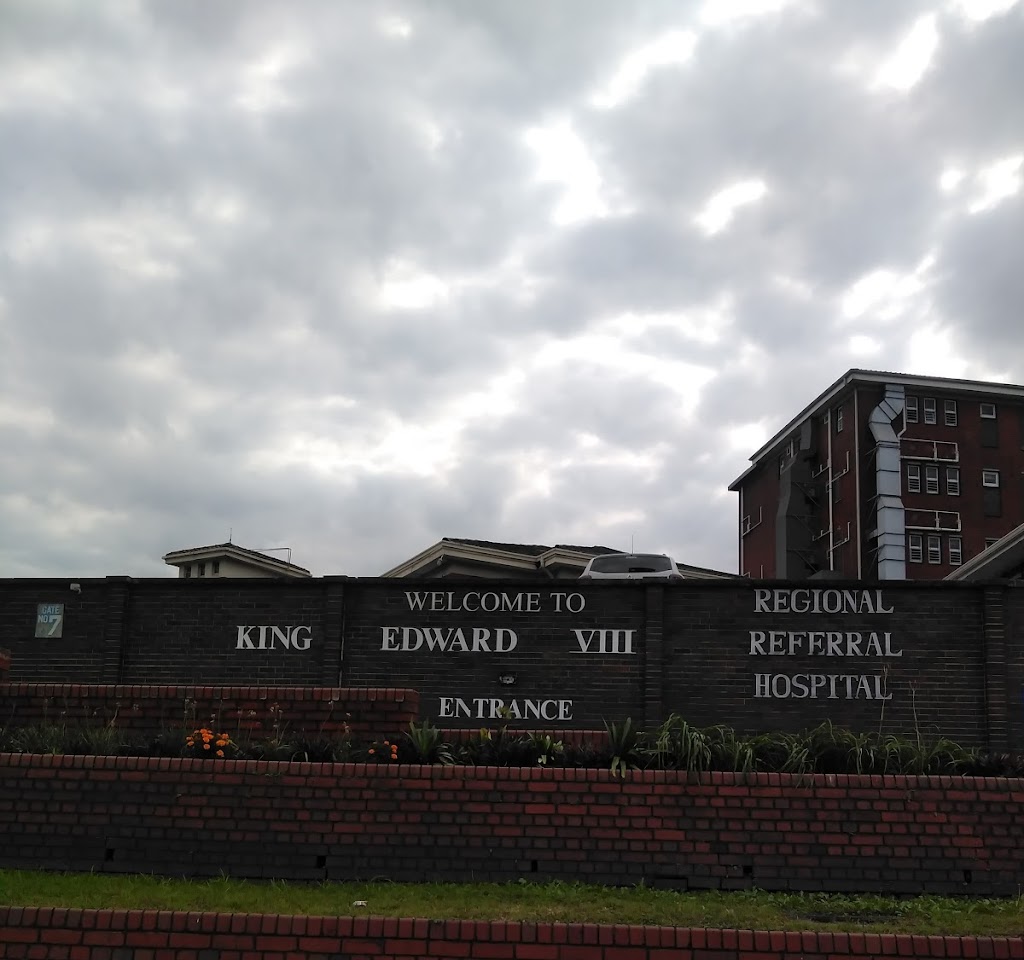
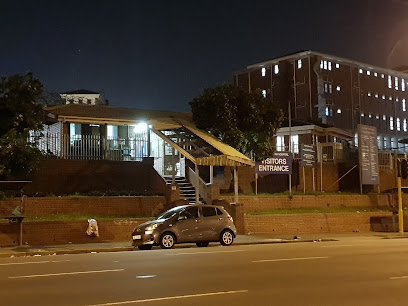
King Edward VIII Hospital is a Government hospital establishment in Durban, KwaZulu-Natal, South Africa
Durban
KwaZulu-Natal
4013
South Africa
Sorry, no records were found. Please adjust your search criteria and try again.
Sorry, unable to load the Maps API.
Overview of Government Hospital Services in Durban, KwaZulu-Natal
In Durban, KwaZulu-Natal, government (public) hospitals provide a wide range of healthcare services funded through the national and provincial health systems. These facilities are designed to serve the general public, with care pathways structured to accommodate urgent needs, routine treatment, chronic disease management, and specialised programmes. The emphasis is on delivering essential medical services to a broad population, with access open to residents and non-residents in emergencies or through established referrals.
Typical services fall into several core categories. Emergency departments operate around the clock to provide immediate assessment and life-saving interventions for accidents, severe illness, and sudden injuries. Triage processes help prioritise care based on urgency, while stabilisation and admission to appropriate wards follow initial evaluation. In parallel, walk-in and scheduled outpatient clinics offer routine medical consultations, follow-up care, and management of chronic conditions such as HIV, tuberculosis, diabetes, hypertension, and respiratory disorders.
In maternal and child health, government hospitals commonly provide antenatal care, childbirth services, postnatal care, and paediatric programmes. Safe delivery rooms, neonatal support where needed, and routine immunisations are typically available as part of broader public health initiatives. Diagnostic capabilities are an important component, with access to radiology and diagnostic laboratories for imaging, tests, and pathology that inform treatment decisions. Where resources permit, radiology services may include X-ray, ultrasound, and occasionally more advanced imaging for both urgent and planned care.
Specialised and surgical services are offered to varying degrees across Durban’s public hospitals. Emergency surgery, general surgery, orthopaedics, gynaecology, and sometimes subspecialties are responsive to fluctuating demand and staffing. Elective procedures may be scheduled after initial assessment and referral, with post-operative care provided in dedicated wards or wards allocated for rehabilitative support. Rehabilitation services, including physiotherapy and occupational therapy, aim to support recovery and functional independence after illness or injury.
Mental health care and support services form another essential facet of public provision. Outpatient counselling, inpatient care where required, and community-based programmes work toward stabilisation and ongoing management of mental health needs, often integrated with other medical services and social support systems.
Public health programmes extend beyond individual treatment to prevention and education. Immunisation campaigns, HIV and TB treatment adherence initiatives, maternal and child health outreach, and chronic disease management clinics are designed to improve population health outcomes and reduce hospital admissions.
From a patient experience perspective, expectations typically include a registration process on arrival, verification of personal details, and an initial assessment by nursing staff or a clinician. Waiting times can vary considerably according to the time of day, the urgency of the condition, and departmental loads. Language accessibility is usually accommodated through staff and interpreters able to communicate in English and local languages such as isiZulu, with clear signage and information leaflets in multiple languages where possible.
Practical considerations are important for anyone using government hospital services. Public facilities may be located in urban centres or peri-urban areas with bus routes or taxi access, and parking options can be limited in busy districts. Patients are advised to bring identification, medical history, and any relevant referrals or letters. While some services are provided free at the point of care, certain procedures or medications may incur charges, and appointment systems or referral pathways often exist to manage demand. Overall, Durban’s government hospitals aim to deliver essential, continuous care across acute, chronic, and preventive health needs, supported by a framework designed to prioritise patient safety, dignity, and regional health outcomes.
For those navigating the public system, awareness of the general pathways—from primary health clinics to district and regional hospitals, and then to tertiary facilities when needed—helps in planning care efficiently. The focus remains on timely assessment, appropriate treatment, and ongoing management of health concerns within the public sector’s capacity and priorities.