no-image
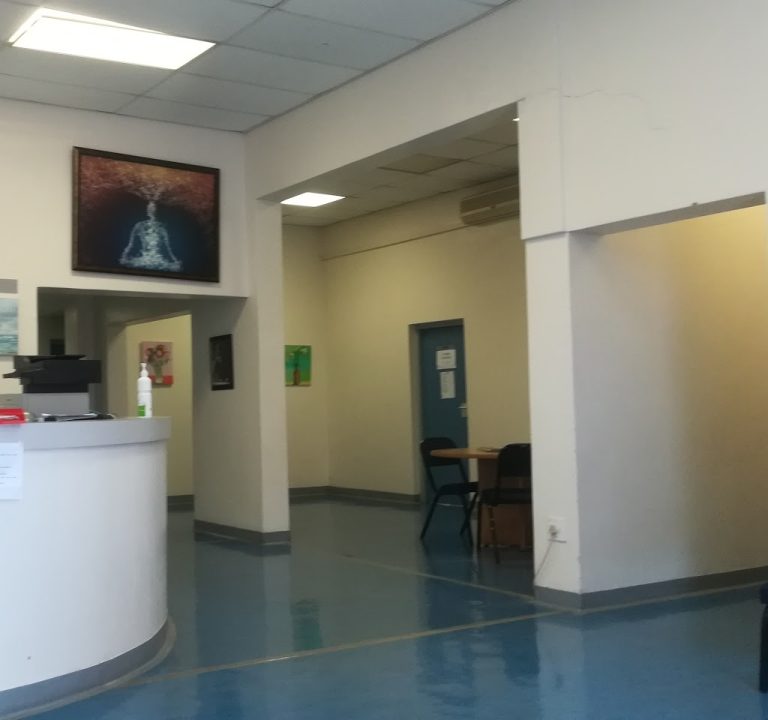
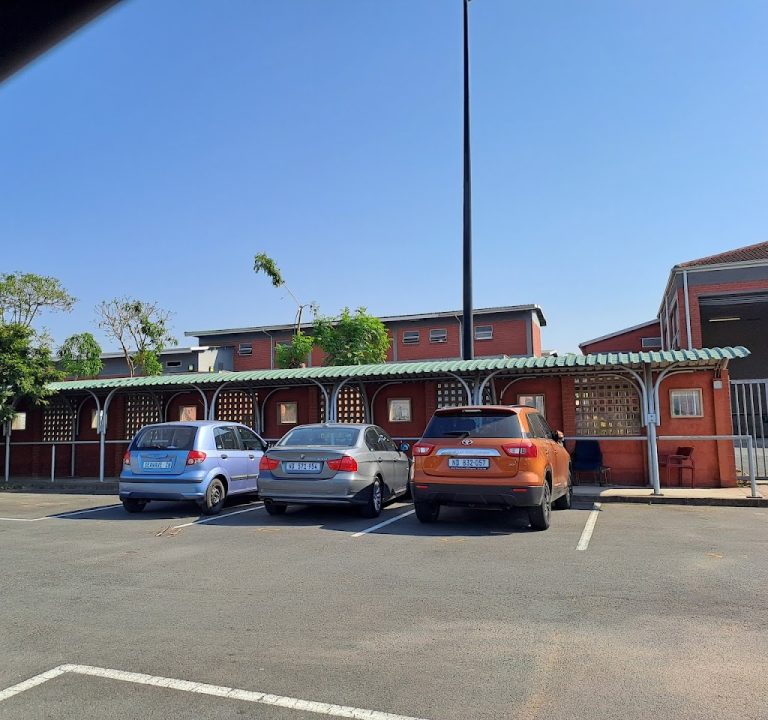
King George V Hospital-ER is a Hospital establishment in Durban, KwaZulu-Natal, South Africa
Durban
KwaZulu-Natal
4091
South Africa

no-image
Sorry, no records were found. Please adjust your search criteria and try again.
Sorry, unable to load the Maps API.
Hospital Services in Durban, KwaZulu-Natal: An Overview for Visitors and Residents
Durban’s hospital network in KwaZulu-Natal offers a broad spectrum of health services designed to address urgent needs, ongoing care, and specialised treatment. The healthcare landscape combines public facilities that serve a large population with private hospitals that provide more structured pathways for elective procedures and chronic conditions. Patients can expect a clear emphasis on rapid assessment, multidisciplinary coordination, and continuity of care, subject to the funding and access arrangements applicable in each facility.
Emergency and urgent care are central to hospital services in Durban. Public and private units typically have dedicated accident and emergency departments responsible for triage, initial diagnosis, and stabilisation. These facilities are equipped to manage trauma, acute medical crises, and time-sensitive conditions, with swift referrals to surgical teams, radiology, or intensive care when needed. Visitors should be prepared for possible waiting periods during peak times and may be advised to prioritise urgent needs accordingly.
Maternity and paediatric services form a significant component of Durban’s hospital offerings. Expectant families encounter obstetric and gynaecology units that support antenatal care, labour, delivery, and postnatal follow-up. Paediatric departments focus on routine child healthcare, immunisations, and management of childhood illnesses, with access to specialist teams as required. Parents can expect a family-centred approach, with facilities designed for maternal and child safety, breastfeeding support, and postnatal education.
General surgery and specialised surgical services are commonly available. This includes pre-operative assessment, anaesthesia, operative care, and post-operative recovery, followed by discharge planning and rehabilitation where appropriate. In addition to general surgery, many hospitals offer orthopaedic services for fractures and joint issues, as well as urology, ENT (ear, nose and throat), ophthalmology, and plastic reconstructive procedures. The degree of specialisation varies by institution and funding stream.
Diagnostic imaging and laboratory services are essential components of hospital operations in Durban. On-site radiology departments provide X-ray, CT, MRI, ultrasound, and fluoroscopy where available, helping to confirm diagnoses and guide treatment plans. Clinical laboratories support a broad range of tests, from routine blood work to more specialised investigations needed for complex conditions. Timely reporting and access to results are common priorities to avoid delays in care.
Critical care and rehabilitation services contribute to the continuum of hospital care. Intensive care units (ICU) and high-dependency units cater to patients requiring close monitoring and advanced life support post-surgery or after severe illnesses. Rehabilitation services, including physiotherapy, occupational therapy, and speech therapy, assist patients in regaining mobility and independence after surgery or injury. In some facilities, extended rehab and discharge planning liaise with community services to support home-based recovery.
Oncology, cardiology, and chronic disease management are further pillars within Durban’s hospital landscape. Oncology units provide diagnostics, chemotherapy administration, and supportive care for cancer patients, while cardiology departments manage heart-related conditions with tests such as ECGs and echocardiograms, and may offer interventional procedures where available. Chronic disease clinics often focus on diabetes, hypertension, respiratory conditions, and obesity, providing ongoing monitoring and education.
Practical considerations for accessing hospital care include understanding referral pathways, appointment systems, and insurance arrangements. Public hospitals operate within national and provincial frameworks, while private facilities may require private insurance or out-of-pocket payments. Accessibility features, language services, and transport options are important factors, particularly for patients with mobility challenges or those travelling from outside the city.
In summary, hospital services in Durban reflect a comprehensive mix of emergency care, maternity and paediatric support, surgical and diagnostic capabilities, intensive and rehabilitative care, as well as specialised clinics. The emphasis lies in coordinated, patient-centred care delivered across a network of facilities to meet the health needs of residents and visitors in KwaZulu-Natal.