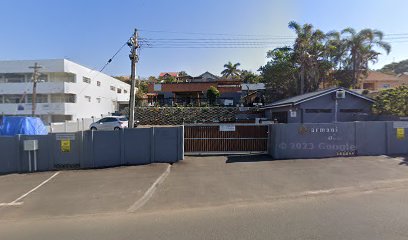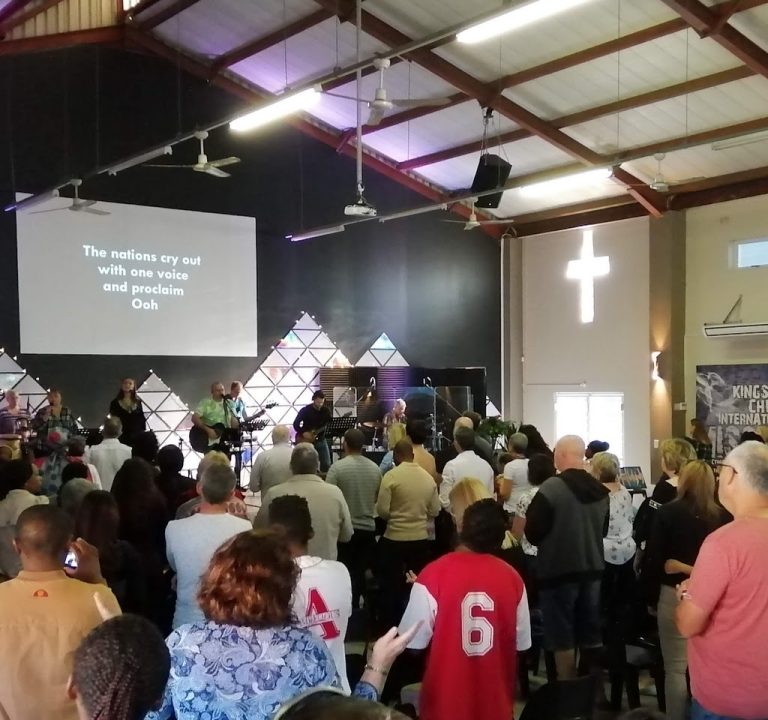
Kingsway Church International (KCi) is a Place of worship establishment in Durban, KwaZulu-Natal, South Africa
Kingsway Church International (KCi) — Place of Worship, Amanzimtoti, Durban
Kingsway Church International (KCi) operates as a local church within Amanzimtoti, KwaZulu-Natal, offering a community‑focused space for worship, teaching and fellowship. The church identifies itself as a base church with a heart for both the local city and the nations, reflecting its partnership with New Covenant Ministries International (NCMI) and a broader global mission. Since relocating to its current venue at 24 Queen’s Terrace in May 2018, KCi has established a stable home where services are held and activities are coordinated “24/7” in practical terms—emphasising ongoing access to the facility for church life and events.
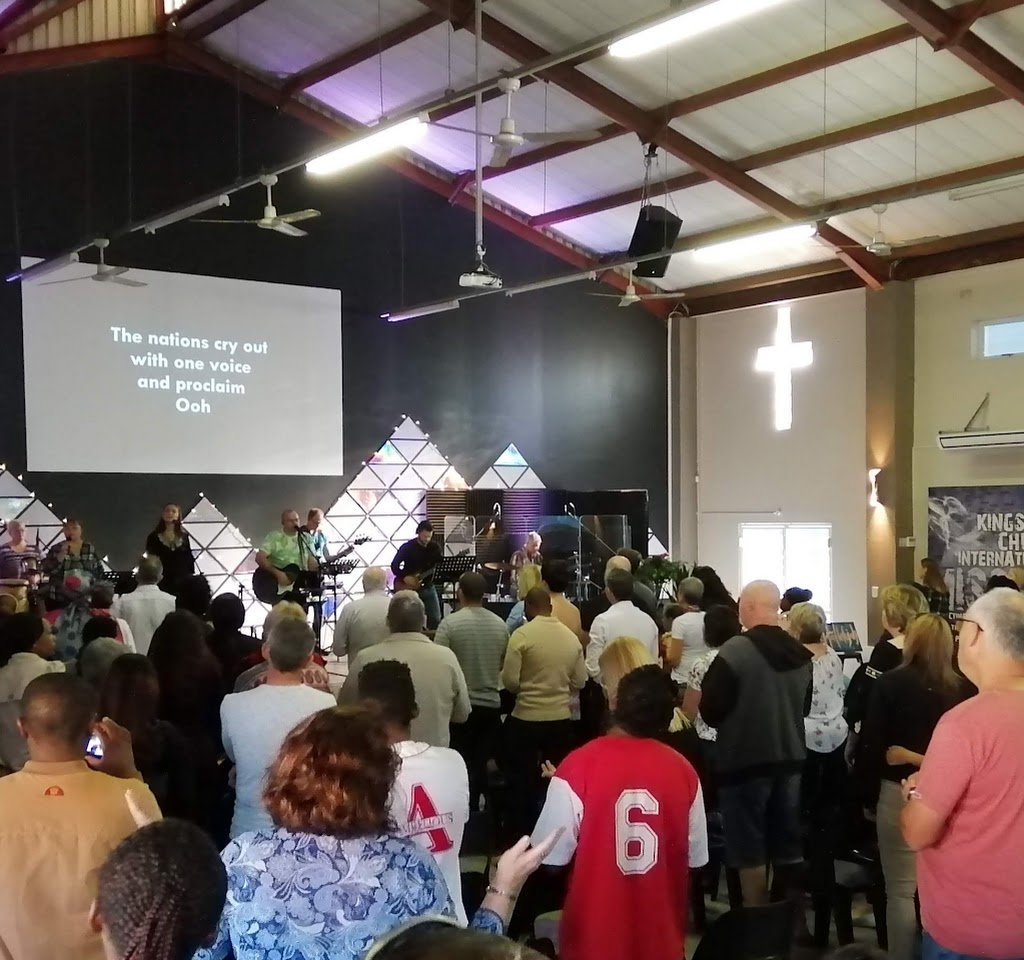
Typical services and experiences revolve around a format that begins with worship, followed by a sermon grounded in Biblical teaching, and extended opportunities for prayer and community connection. Visitors can expect a warm welcome upon arrival, with an emphasis on creating an atmosphere where attendees feel comfortable participating in worship at their own pace. The Sunday morning gathering is central to KCi’s weekly rhythm, with the service commonly including contemporary songs, some of which are written by KCi musicians, and messages designed to offer practical guidance for daily faith and growth as a follower of Jesus.
In addition to the main Sunday gathering, KCi places emphasis on families and children through its Kidzone programme. This ministry is staffed by teams of teachers who deliver age‑appropriate Bible studies and activities, with the aim of presenting God’s love and His Word in a relevant way for younger participants. A dedicated mum’s room is available for parents with infants and toddlers who wish to participate in the service while supervising their children. For those unable to attend in person, KCi provides livestream links via its online channels, ensuring that the service remains accessible to a wider audience through Facebook and YouTube.
Community life at KCi extends beyond Sunday services to smaller groups described as home groups. These gatherings play a vital role in individual growth as disciples and in building authentic relationships within the church family. The organisation of these groups, alongside the elders and leaders who steer the church, reflects a governance model rooted in New Testament principles, with a leadership team that includesGreg and Laurie MacKinnon, along with Leon and Janine Pretorius and Jonathan and Catherine Edwards.
From a visitor experience perspective, KCi presents itself as a church with a clear sense of purpose: to know Jesus and to make Him known. The mission foregrounds the Gospel and the love of God, carried forward in the power of the Holy Spirit, and it articulates a desire to serve as a resource and blessing to other churches and nations through its international partnerships and short‑term outreach initiatives. The church’s history shows a trajectory of growth and leadership changes, culminating in a stable current arrangement that supports ongoing worship, teaching, and community engagement.
How requests usually work is straightforward for newcomers: first contact is welcomed in a friendly environment during Sunday worship, followed by opportunities to engage with prayer, fellowship, and information about ongoing groups and activities. The “Visit Us” section invites newcomers to complete a form so KCi can look out for them on Sunday, signalling a practical and organised approach to hospitality.
Location and access, as highlighted by KCi’s communications, place Amanzimtoti at the centre of activity with a facility that supports regular gatherings and a 24/7 availability ethos in terms of space usage. The church’s footprint includes a strong emphasis on family inclusion, a welcoming stance toward non‑believers who wish to attend without pressure, and a commitment to empowering individuals through worship, Biblical teaching and practical ministry opportunities.
Practical tips for potential attendees include arriving in good time for the Sunday service to enjoy the welcome and seating, engaging with the Kidzone team for children, and taking advantage of the mum’s room if required. For those following the church remotely, accessing the livestream through KCi’s online channels can provide a convenient option to participate in worship and hear the Sunday message from afar.
Durban
KwaZulu-Natal
4126
South Africa
Sorry, no records were found. Please adjust your search criteria and try again.
Sorry, unable to load the Maps API.
Place of worship services in Durban, KwaZulu-Natal
Durban, a coastal city in KwaZulu-Natal, hosts a diverse range of religious establishments that serve as gathering places for local communities. Place of worship in this region usually functions as more than a venue for prayer; it often acts as a centre for social support, education, and cultural exchange. The offerings reflect the city’s multicultural makeup, with arrangements that accommodate different faith traditions, languages, and customs.
Across church congregations, mosques, temples, and synagogues, regular worship typically features structured gatherings, often on Sundays or specific holy days. In many Christian chapels and churches, a service may begin with music or choir performances, followed by readings from sacred texts, a sermon, and communal prayer. In Muslim mosques, daily prayers and Friday congregational prayers (Jumu’ah) may draw attendees of varying ages, with times posted to accommodate work and school schedules. Hindu and Buddhist temples commonly present a blend of devotional singing, teachings from scriptures, and meditative practices, sometimes accompanied by ceremonies for birthdays, anniversaries, or festival days.
Educational components are common and can include bible study groups, catechism classes, or religious instruction for children and adults. These sessions often aim to deepen understanding of beliefs, moral guidance, and practical living in the local context. Community programmes may extend beyond worship hours to support families, the elderly, and young people through outreach, youth clubs, and charitable projects. Where appropriate, language choices reflect Durban’s linguistic landscape; services may be conducted in English, isiZulu, Afrikaans, or other tongues, with translations or bilingual elements to assist attendees.
Rites of passage and lifecycle events are frequently accommodated within place-of-worship settings. Christenings or baptisms, confirmations, weddings, and memorial services are commonly held on the premises or in association with clergy or authorised officiants. The availability of such rites depends on denominational guidance, suitability of spaces, and scheduling commitments. For families planning ceremonies, information about required documentation, timings, and preferences is typically provided in advance by the temple, mosque, or church office.
Practical considerations for visitors include approaches to seating, modest dress codes, and security measures that may be in place to safeguard attendees. Parking arrangements are often a practical concern, particularly in busy urban areas, so participants may plan ahead for peak service times. Accessibility features, such as ramps or lifts, tend to be present at larger venues, though accessibility varies by location. Noise levels during services can vary; some congregations maintain a contemplative atmosphere, while others feature more participatory worship with responsive readings or congregational singing.
Durban’s religious venues frequently engage with the wider community through outreach programmes, food parcels, cultural events, and partnerships with non-profit organisations. Visitors may encounter notice boards or websites detailing service times, upcoming festivals, and guest speakers. It is advisable to arrive a little early to familiarise oneself with the layout, where to sit, the location of restrooms, and any visitor guidance materials that may be available.
In summary, place-of-worship services in Durban reflect a pluralistic city where tradition and modern life intersect. Patrons can expect a mix of devotional practice, instructional opportunities, and community support, all rooted in local cultures and languages. The experience is typically welcoming to newcomers, with clear guidance provided by ecclesiastical or religious leadership to help visitors participate respectfully and meaningfully.