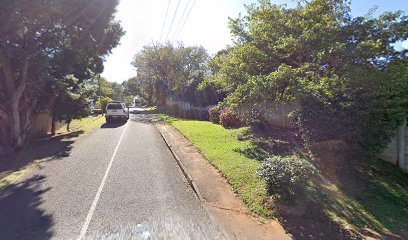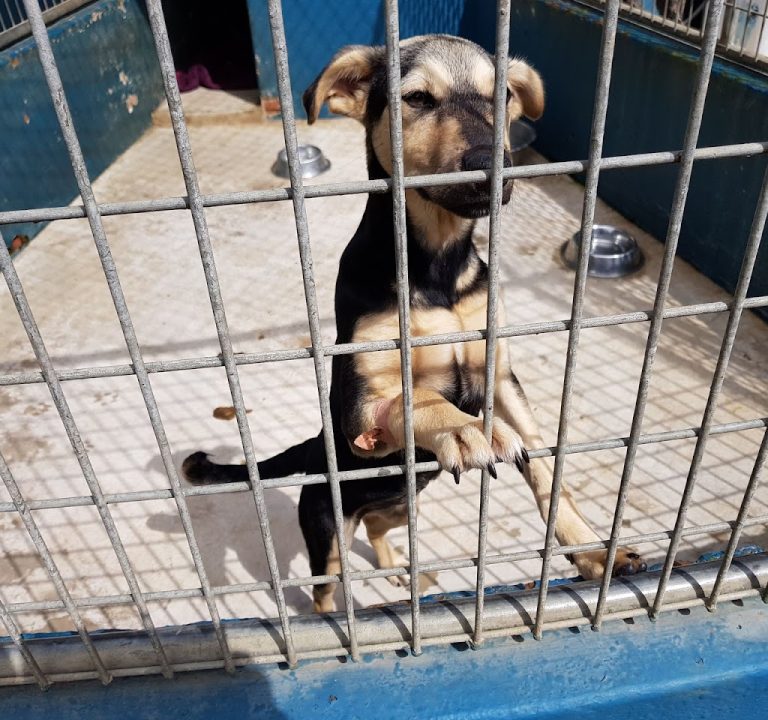
Kloof and Highway S.P.C.A. is a Animal rescue service establishment in Kloof, KwaZulu-Natal, South Africa
Kloof & Highway SPCA: Animal Rescue Service in Kloof, KwaZulu-Natal
The Kloof & Highway SPCA operates as a comprehensive animal rescue and welfare organisation serving a broad catchment from Westville to Cato Ridge and surrounding areas. As an independent charity, the organisation focuses on saving and protecting animals while engaging with communities through education, rehabilitation and preventative care. The organisation’s mission emphasises reducing cruelty and neglect, with ongoing work to protect vulnerable animals across urban and rural settings.
Core services are centred on rehoming and veterinary care, underpinned by a robust inspectorate that tackles cruelty and neglect. Rehoming Fur Friends covers the process of finding loving homes for unwanted, stray and rescued animals, with an emphasis on responsible placement and post-adoption welfare. Primary Vet Care is provided at the SPCA Clinic, delivering essential medical attention and treatment to animals in need. The service mix also includes humane education, designed to promote compassionate treatment of animals and informed pet ownership across the community.
Preventative care forms a central pillar of the SPCA’s activity. Improving Lives encompasses sterilisation, microchipping and vaccinations to reduce future suffering and improve long‑term welfare. The inspectorate team is positioned at the forefront of the organisation’s cruelty prevention efforts, investigating complaints and taking action against abuse and neglect. These activities are complemented by active Community Outreach programmes, which extend support and education to rural areas and underserved communities, helping to ensure animals in more distant locales receive attention and guidance.
Beyond direct rescue and care, the SPCA operates through education, partnerships and volunteer involvement. Humane education initiatives aim to cultivate responsible pet ownership and humane treatment, while volunteers are welcomed to support shelter operations and community projects. The organisation underscores a zero-tolerance approach to cruelty, with documented court victories and ongoing legal action to protect animals and hold offenders to account. This legal and investigative work complements frontline rescue and care, illustrating a holistic approach to animal welfare.
Adoptions are a key pathway for animals in the shelter. Prospective adopters are encouraged to plan carefully and consider long‑term commitments, costs and lifestyle requirements. The adoption process involves arranging viewings by appointment, completing an application, and undergoing home socialisation and a home check. Adoption fees include sterilisation, microchipping and vaccinations after verification, reflecting an emphasis on ensuring newly placed pets have the best start in their new homes. If a pet cannot be kept, the policy requires return to the SPCA with all documents, reinforcing ongoing welfare and accountability. There is also integration with external tools and programmes, such as Hill’s Pet Matchmaker App, to facilitate matches between animals and potential adopters and increase visibility of shelter pets.
The organisation’s facilities are located at 29 Village Road, Kloof, KwaZulu-Natal, 3640, with an emergency contact line for urgent welfare concerns. An information governance and donor engagement framework supports fundraising and programme financing, including a range of online donation campaigns and sponsor‑based options. Through campaigns and clinics, the SPCA organises outreach and funding to sustain veterinary care, shelter operations and inspectorate work in communities with limited resources.
Visitors interested in practical engagement will find several actionable tips for pet owners and supporters. Prospective adopters should prepare to provide evidence of residence, ownership, vaccination records and landlords’ or body corporate permissions where applicable. Potential donors are advised to consider recurring monthly contributions, one‑off gifts, or sponsorships for kennels or cat enclosures, all of which help sustain essential care and shelter operations. For volunteers, opportunities are available to support shelter activities and community service programs, providing a way to contribute to animal welfare beyond monetary donations.
- Typical services: rehoming, primary veterinary care, sterilisation, microchipping, vaccinations, cruelty investigations, humane education, and community outreach.
- Common activities: rescuing abused or neglected animals, conducting home checks, coordinating adoptions, and delivering outreach in rural areas.
- Request workflow: allocate viewing by appointment, complete an adoption application, provide supporting documents, and undergo home socialisation and a post-adoption home check.
- Practical tips: verify residence and pet allowances, gather vaccination records, budget for long‑term pet care, and consider post‑adoption support or behavioural training if offered.
- Best time/Hours: the SPCA provides general services during standard operating hours, with an emergency contact for urgent matters; specific thrift shop hours vary by location and store.
The Kloof & Highway SPCA embodies a mission to protect thousands of animals annually through rescue, medical care, education and legal action against cruelty. The organisation’s work, grounded in community partnerships and volunteer involvement, highlights the importance of sustained support to maintain veterinary services, shelter operations and outreach programmes across KwaZulu-Natal.
Kloof
KwaZulu-Natal
3610
South Africa
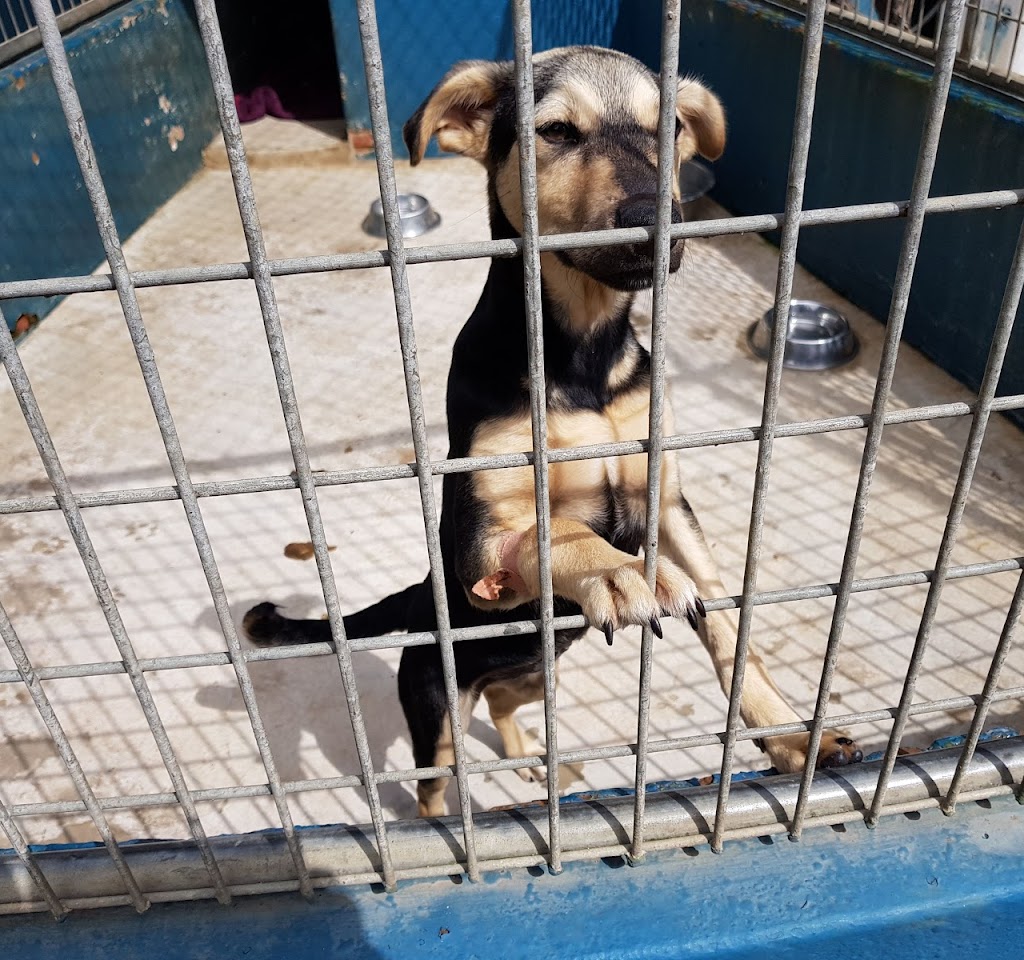
Sorry, no records were found. Please adjust your search criteria and try again.
Sorry, unable to load the Maps API.
Animal rescue services in Kloof, KwaZulu-Natal: a practical overview
In Kloof, KwaZulu-Natal, animal rescue services play a vital role in safeguarding the welfare of pets and urban wildlife alike. Organisations operating in this area typically offer a blend of emergency response, intake and sheltering, medical care, and community support aimed at reducing suffering and promoting responsible pet ownership. The landscape reflects a combination of private rescues, wildlife recovery groups, and charitable organisations that collaborate with local councils and veterinary facilities to stabilise distressed animals and find suitable long‑term outcomes.
Emergency response is a core function, with teams trained to respond to calls regarding injured, trapped, or threatened animals. A rapid initial assessment is often followed by safe handling and transport to a veterinary facility or a designated shelter. Because the terrain around Kloof can include residential streets, hills and pockets of natural habitat, responders typically utilise suitable equipment and vehicles to handle a range of situations, from dog incidents to injured wildlife. Dispatch protocols prioritise safety for both the animal and the public, and response times can vary based on location, weather, and demand.
Intake and sheltering form another cornerstone of service delivery. Rescued animals may be housed at a temporary shelter or transferred to partner facilities where space and resources permit. Privacy and welfare considerations are important during this phase, with attention to appropriate housing, feeding regimes, enrichment, and separate areas for dogs, cats, and different sizes or species where possible. Rescues generally work toward rehoming or return to owners, subject to assessment of health, behaviour, and suitability for adoption.
Medical care is typically provided on a needs‑basis, often through collaboration with local veterinary clinics. Basic veterinary services commonly include vaccinations, parasite control, wound care, and diagnostic testing as required. More complex procedures or specialised treatment may require referral to a veterinary hospital. In some instances, spay/neuter initiatives are undertaken to support long‑term population management and reduce future stray demands. The aim is not only to treat the immediate condition but to establish pathways that lessen recurrence and promote responsible care.
Adoption programmes are frequently featured, with prospective owners encouraged to engage in a structured process. This usually involves an application, an interview or home check, and information about the animal’s history and needs. Ongoing post‑adoption support may be offered in the form of guidance on nutrition, enrichment, and healthcare reminders. Foster care arrangements can also play an important role, enabling animals to acclimatise to home life while awaiting permanent placement.
In addition to core rescue activities, many organisations provide preventative and educational services to the local community. These may include advice on microchipping, vaccination, and responsible ownership, as well as targeted campaigns to address dog‑fighting, neglect, or abandoned pets. Community outreach often extends to schools and neighbourhood associations, emphasising humane treatment of animals and the importance of seeking timely help when critical welfare concerns arise.
Practical considerations for those relying on animal rescue services in Kloof include navigating logistics such as availability of transport, operating hours, and the process for reporting concerns. It is common for rescues to publish contact details and instructions for emergency calls, along with guidelines regarding the information that should be provided to improve response effectiveness. Potential adopters and donors should expect transparency about the animal’s history, medical status, and any behavioural notes that may affect care requirements.
Overall, animal rescue services in Kloof combine swift response, compassionate care, and community engagement to address wildlife and companion animal welfare. While exact procedures may vary between organisations, the overarching objective remains consistent: to stabilise distressed animals, promote humane treatment, and work toward humane, sustainable outcomes for the broader community.