KWAMHLABA TRADITIONAL HEALERS. D.R S.S MHLABA . INKOSI YAMANZI is a Doctor establishment in Durban, KwaZulu-Natal, South Africa
KWAMHLABA TRADITIONAL HEALERS. D.R S.S MHLABA . INKOSI YAMANZI – Durban, KwaZulu-Natal
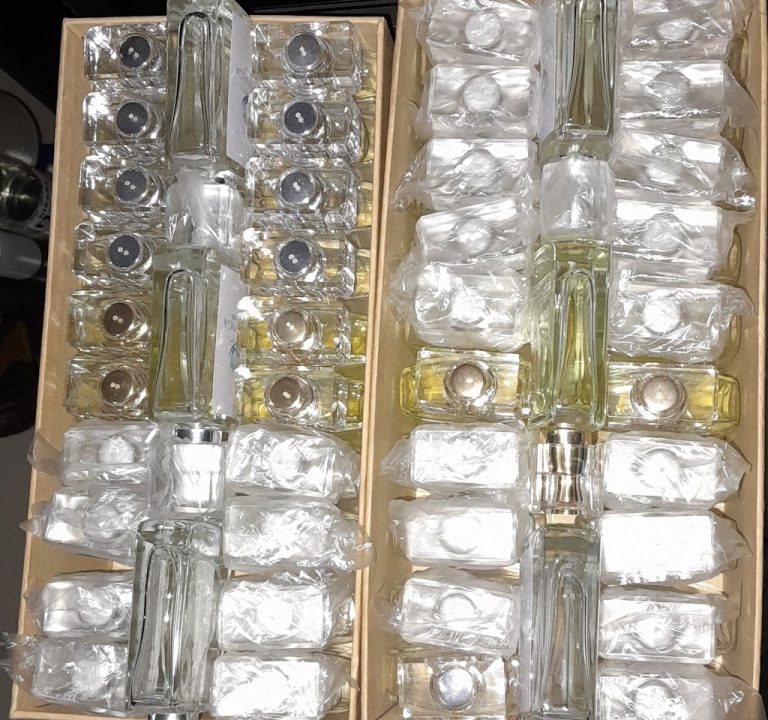
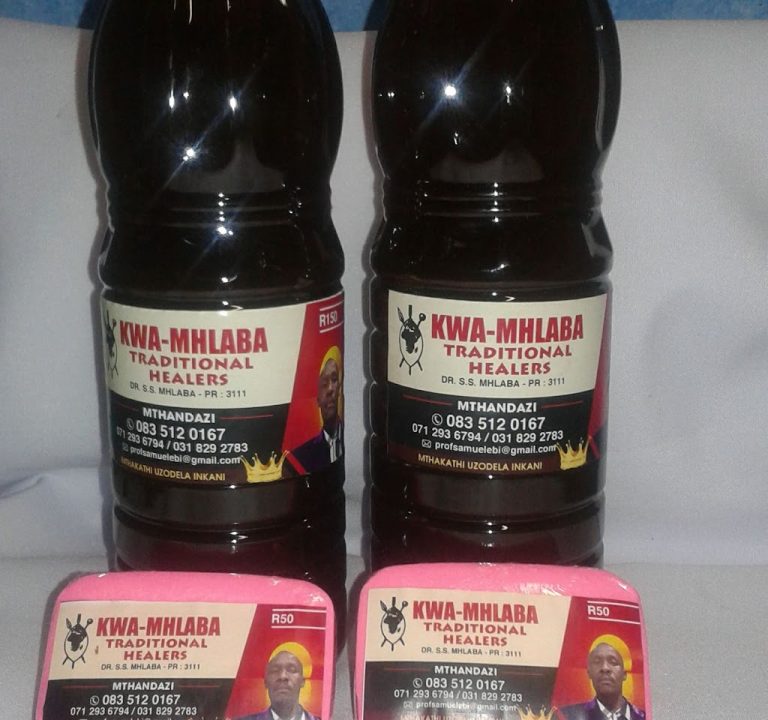
KWAMHLABA TRADITIONAL HEALERS. D.R S.S MHLABA . INKOSI YAMANZI operates as a Durban-based presence within the KwaZulu-Natal region, offering traditional healing items and remedies through an online storefront. The site presents a focused range of offerings that appear to centre on spiritual and ritual products designed for personal and communal wellbeing. The business is presented via a single e-commerce shop, with product listings that indicate tangible items rather than a formal consultation-only service.
Main services offered
- Ritual and protection items: The shop lists products such as Uzifozonke oyizinkambi, which are described in the catalogue as specialised ritual components. These items are marketed for use within traditional practices and may be employed for cleansing, protection, or spiritual preparation during ceremonies.
- Spiritual assistance for relationships and personal power: A product termed uMvusamizwa yabesilisa nabesifazane suggests offerings aimed at influencing personal dynamics or well-being for both men and women within spiritual or traditional frameworks.
- Household and space cleansing or extraction rites: Lembiza eka Zifozonke ekhipha izilwane ngaphakathi appears to be a ritual item associated with releasing or addressing internal presences or symbolic entities, implying services or rituals tied to cleansing spaces or objects.
- Fortune and wealth-focused remedies: Umuthi wemali odume kakhulu is listed, indicating a product associated with prosperity or financial blessings, commonly part of traditional healing practices aimed at improving abundance or fortune.
- Ritual artefacts for ceremonial uses: Lelidosha liphethe insizi yokuncinda yezibhobo is described as carrying a ritual instrument or component for specific ceremonial purposes, pointing to a category of items used in traditional ceremonies.
How requests and orders typically work
As reflected by the site structure, customers browse the online catalogue, view individual product pages, and add items to their cart. The store then processes purchases through standard e-commerce flow, culminating in a checkout and order placement. The presence of multiple product pages with prices suggests clear pricing for different items, allowing customers to select based on their needs and budget before completing a purchase. The clarity of product categories indicates an understanding of what clients seek when engaging traditional practices online.
Typical job types or applications (as inferred from offerings)
- Spiritual and ritual preparation for personal or family ceremonies
- Protection and cleansing rites for homes or sacred spaces
- Prosperity and financial blessing rituals
- Ritual artefact provision for use in customary events or practices
Customer experience and practical tips
Visitors can expect a straightforward online shopping experience centred on a curated set of traditional healing products. The product range implies emphasis on practical items that customers can source for specific rituals or personal use. When engaging with such offerings, potential buyers may wish to consider the following practical tips:
- Study product details carefully to understand the intended purpose of each item and any ceremonial instructions that may accompany it.
- Note the pricing provided for each item to gauge value before adding products to the cart.
- Check for any additional information on handling, storage, or usage to maintain the efficacy of traditional remedies.
- Consider the breadth of the catalogue to identify items that might complement one another in multi-item rituals.
- Ensure delivery arrangements align with personal timing and any customary requirements for receiving ceremonial components.
Location and area served
The business is associated with Durban, KwaZulu-Natal, and appears to serve customers within this region who are seeking traditional healing ingredients and ritual items through an online channel. While the site does not publicly list detailed service areas beyond Durban, the language and product focus indicate a regional emphasis on KwaZulu-Natal communities seeking traditional practices.
Notes for potential customers
The storefront presents a concise catalogue rather than an expansive services page. Prospective buyers should rely on the product descriptions and pricing on the site to guide purchases. Given the cultural and spiritual nature of the offerings, customers may wish to approach purchases with clear intent for ritual or practical purposes and to ensure that the chosen items align with their traditional or personal needs.
Durban
KwaZulu-Natal
4031
South Africa

Sorry, no records were found. Please adjust your search criteria and try again.
Sorry, unable to load the Maps API.
Doctor services in Durban, KwaZulu-Natal: what to expect
Durban, a coastal city in KwaZulu-Natal, offers a broad range of medical doctor services delivered through both private practices and public health facilities. The typical experience centres on accessible primary care, with pathways to specialist expertise when needed. Patients can expect a focus on person‑centred care, evidence‑based practice, and a system that emphasises continuity of care across visits and over time.
A general practitioner (GP) or family physician generally serves as the first point of contact for most health concerns. In private practice, appointments are usually booked in advance, with longer consults available for complex or chronic conditions. Public sector services prioritise urgent and essential care, particularly in major district and regional hospitals where waiting times can be longer but treatment is provided at scale. Across Durban, both routes aim to manage everyday health needs efficiently while referring patients to specialists when more targeted expertise or investigations are necessary.
Common services typically offered include:
- General consultations for acute illnesses and routine health checks
- Chronic disease management, including monitoring and support for conditions such as hypertension, diabetes, and asthma
- Preventive care, including health education, screenings, and vaccination programmes
- Maternal and infant care, including pregnancy check‑ups, antenatal information, and postnatal support
- Women’s health services, contraception advice, and cervical cancer screening programmes
- Men’s health, including preventive screening and lifestyle guidance
- Mental health support and referrals to appropriate specialists or counsellors
- Minor procedures, wound care, and management of common skin conditions
- Travel health advice and immunisations for travellers
- Referrals to specialists such as cardiologists, endocrinologists, dermatologists, and orthopaedic surgeons when necessary
- Diagnostic support through in‑house services or arranged tests, with referrals for imaging or laboratory work where required
In practice, the doctor‑visit typically begins with a patient history and a physical examination. Depending on the concern, the clinician may arrange basic investigations (blood tests, urine analysis, ECG) or refer to an imaging centre. Follow‑up appointments are common to review results, adjust treatment plans, and reinforce self‑management strategies. For ongoing care, many Durban practices emphasise coordinated care plans, medication reviews, and accessible channels for asking questions between visits.
Practical considerations for accessing doctor services include awareness of the two broad healthcare routes. Public facilities are usually more affordable and accessed via government channels, though queues and wait times may arise, especially in peak periods. Private clinics offer shorter wait times and more flexible scheduling but operate on a fee‑for‑service or medical aid basis, with upfront costs and reimbursement aligned to individual plans. Medical aid and private health insurance play a significant role in Durban’s private sector, providing coverage for consultations, diagnostics, and prescribed medications, subject to policy terms.
Another practical aspect is the availability of after‑hours or weekend openings in some clinics or multiplayer medical groups. When urgent care is required outside regular hours, emergency departments at public and private hospitals provide immediate assessment and treatment. Patients are often advised to locate a convenient, nearby clinic or hospital, keep an updated list of medications, and carry essential medical information for rapid review by healthcare professionals.
Overall, Durban's doctor services combine accessible primary care with a pathway to specialised knowledge, underpinned by a mix of public access and private options. The emphasis remains on timely assessment, clear guidance, and ongoing health management suitable to the local community and climate.