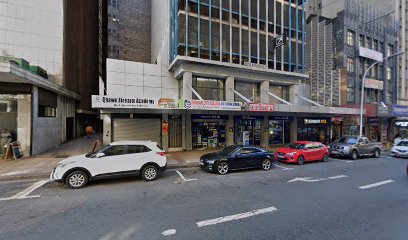
KwaZulu-Natal Department of Human Settlements (Coastal) is a Housing authority establishment in Durban, KwaZulu-Natal, South Africa
Kwazulu-Natal Department of Human Settlements (Coastal) – Housing Authority, Durban
The KwaZulu-Natal Department of Human Settlements (Coastal) operates as the regional arm of the provincial housing authority, focused on facilitating access to affordable housing and related services for residents in and around Durban and the broader coastal area of KwaZulu-Natal. The department’s activities span several core programmes designed to support housing delivery, community development, and governance within the province’s coastal municipalities.
Key services centre on government housing subsidies and financing options intended to assist eligible South African citizens to acquire homes. The department outlines a structured pathway for applicants seeking government subsidies and financing-linked subsidies, emphasising the importance of meeting residency, citizenship, ownership, income, and competency criteria. Specific programmes highlighted include the Finance Linked Individual Subsidy Programme (FLISP), the KZN Rental Housing Tribunal, and Special Projects & EPWP initiatives, all of which contribute to broader delivery and access to housing-related opportunities.
In terms of subsidy delivery, the department describes two principal routes. First, the standard government housing subsidy, which requires applicants to be first-time homebuyers with income and eligibility criteria aligned to policy stipulations. Second, the FLISP route, which requires applicants to demonstrate active home purchase or financing intentions and to secure a home loan or bond, illustrating a linkage between subsidy support and formal financing. The department provides a contact point for FLISP assistance and notes that the process is facilitated through the Help Desk alongside participating banking institutions.
A notable component of the department’s portfolio is the Serviced Site programme. This initiative targets potential beneficiaries who qualify for serviced plots suitable for initial home construction. Applicants must meet financial, residency, and contractual criteria, including the ability to obtain a home loan and proof of genuine housing need. Information from the department indicates that applications may be advertised locally and are typically handled through available municipal channels, with forms accessible via the department’s website and local municipality portals.
Additional programmes and resources within the Coastal branch include the KZN Rental Housing Tribunal, which helps regulate and resolve matters related to rental housing, and Special Projects & EPWP initiatives that support job creation and community development through public works. The Resource Centre offers policy, strategic, and guideline documents to inform applicants and stakeholders about processes, typologies, and procedures related to housing delivery and community planning.
Customer experience across the Coastal department is framed by clear eligibility criteria, documented processes, and an emphasis on local municipality involvement. Applicants are guided to engage through municipal offices and the department’s Help Desk for subsidy-related queries, with timelines generally dependent on local conditions and project pipelines. The department concedes that housing development tends to be planned and prioritised by local conditions, with occupancy times often extending to two years from initial development, underscoring the long-term nature of housing delivery in the region.
Typical engagements involve applying for a serviced site or subsidy, navigating eligibility checks, and coordinating with financial institutions for loan approvals where FLISP is involved. The department also maintains information brochures and policy documents to support applicants in understanding processes, responsibilities, and timelines. While specific business hours are not stated in the available content, the emphasis remains on transparent processes, local collaboration, and government-led housing delivery designed to address residential needs in the coastal area.
Practical tips for customers planning to engage with the Coastal housing authorities include: ensuring first-time eligibility for subsidy scenarios and confirming citizenship status, identity documents, and proof of income as required; preparing financial documentation and being ready to demonstrate the ability to sustain ownership and meet indebtedness criteria; monitoring local municipality announcements for advertised serviced sites and submitting applications through the department’s designated channels; and consulting the Help Desk for FLISP-related questions and guidance on securing a home loan. Applicants should also acquaint themselves with relevant policy and guideline documents available through the department’s Resource Centre to understand processes, typologies, and procedural steps.
Geographically, the Coastal arm serves Durban and surrounding coastal municipalities within KwaZulu-Natal, delivering information and services via the department’s website, information brochures, and local government partnerships. This regional focus aims to translate provincial housing policy into practical, location-specific pathways for individuals and communities seeking housing opportunities, tenure security, and improved living conditions in the coastal region.
Durban
KwaZulu-Natal
Durban
South Africa
Sorry, no records were found. Please adjust your search criteria and try again.
Sorry, unable to load the Maps API.
Housing Authority Services in Durban, KwaZulu-Natal
Durban, a major coastal city in KwaZulu-Natal, operates housing authority services aimed at addressing urban housing needs, community development, and housing delivery within the framework of South Africa’s national housing programme. The services typically focus on facilitating access to affordable housing, managing rental housing stock, and supporting households with housing-related guidance. The authorities aim to balance policy objectives with local conditions, ensuring that residents have practical pathways to secure safe and dignified accommodation.
In practical terms, housing authorities in Durban oversee allocations and waiting lists for social housing or housing assistance, often coordinating with provincial departments and local municipalities. They may provide information on eligibility criteria, application processes, and required documentation. While procedures can vary, residents commonly engage with officers to understand whether they qualify for housing subsidies, rental accommodation, or housing support programmes designed to assist vulnerable households, micro-areas of need, and urban regeneration projects.
A core aspect of Durban’s housing services involves the management and maintenance of municipal rental stock or state-assisted housing units. This includes ensuring that properties are habitable, safe, and compliant with basic standards. Regular inspections, rent assessments, and tenancy management are typical activities, along with guidance or referrals for tenants facing difficulties such as arrears, disputes, or maintenance delays. The aim is to sustain stable tenancies while addressing broader neighbourhood improvements that complement housing delivery.
For households seeking housing solutions, information and advisory services are commonly available. Staff may provide guidance on the application process, the required checks, and the timeline for decisions. They often clarify the roles of provincial housing authorities, local councils, and any partner agencies involved in service delivery. Where possible, residents receive assistance with understanding eligibility categories, such as submarket housing, special needs considerations, and priority allocations for households meeting certain criteria. The focus remains on transparent processes and equitable access, subject to available housing stock and budgetary considerations.
Additional priorities in Durban include the provision of housing-related support services that help sustain communities. This may involve enablement programmes, financial literacy workshops, and access to social services that underpin housing stability. Partnerships with civil society organisations, non-governmental organisations, and community development initiatives can supplement formal housing delivery, offering residents practical guidance on maintenance, energy efficiency, and basic upgrades that improve living conditions.
Residents considering housing options in Durban should anticipate practical considerations such as eligibility verification, documentation requirements, and reasonable processing times. Access to services may be through municipal offices, provincial housing departments, or recognised housing schemes. It is common for applicants to be advised on expected decision timelines and to be informed about next steps, whether that involves provision of a housing grant, placement on a waiting list, or guidance toward alternative housing arrangements while awaiting approval.
A brief list of typical services includes:
- Information and advice on housing eligibility and application procedures
- Allocation management for affordable or social housing
- Management of rental stock and tenancy administration
- Maintenance coordination and property standards monitoring
- Support programmes focusing on financial planning, energy efficiency, and housing maintenance
- Liaison with provincial and local authorities on housing policy and development projects
Overall, housing authority services in Durban respond to the city’s diverse needs by combining administrative processes with practical support. The emphasis is on accessible information, fair assessment of applicants, responsible tenancy management, and ongoing efforts to improve living conditions through coordinated urban housing strategies. For residents, understanding the sequence of steps, possible outcomes, and available support channels helps in navigating the housing landscape within KwaZulu-Natal’s coastal metropolis.