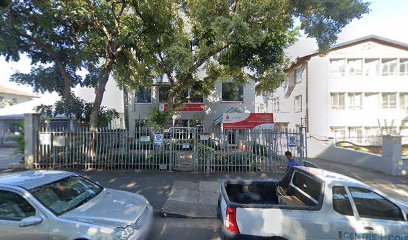
KwaZulu-Natal Institute For Architecture is a Volunteer organization establishment in Durban, KwaZulu-Natal, South Africa
KwaZulu-Natal Institute for Architecture (SAIA KZN): An Independent Overview of Services and Experience
The KwaZulu-Natal branch of the South African Institute of Architects operates as a voluntary organisation dedicated to the local architectural community in Durban and across KwaZulu-Natal. As the regional embodiment of SAIA, it functions to connect professionals, enrich industry discourse, and offer a professional support system tailored to practitioners and enthusiasts within the built environment. The organisation is presented as a hub for professional development, collaboration, and regional representation rather than a commercial service provider.
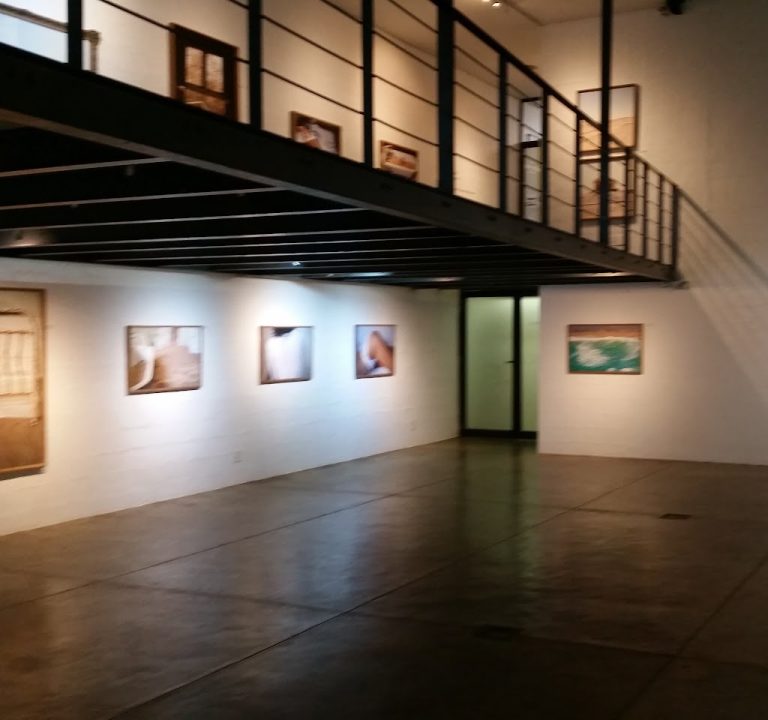
Key activities centre on fostering connections among architects, students, and allied professionals through curated events and media. The SAIA KZN aims to strengthen the local architectural network by hosting gatherings that enable knowledge exchange, networking, and exposure to contemporary practice. The emphasis on events suggests opportunities for attendees to hear expert talks, observe project showcases, and engage with peers who share similar interests in design quality, sustainability, and professional practice.
Media and publication play a notable role in KwaZulu-Natal’s architectural community. The organisation maintains journals and digital content that chronicle regional projects, design discourse, and notable achievements. This media presence supports information sharing and professional visibility, inviting members and the wider public to stay informed about architectural developments within the province.
In terms of professional support, the SAIA KZN positions itself as a resource within the local network. Members can expect access to peer guidance, potential mentorship, and a structure through which opportunities and industry updates are circulated. While specific services are not itemised in detail, the overall description points to a supportive ecosystem designed to bolster professional practice, advocacy, and community engagement among KwaZulu-Natal’s architecture professionals.
Typical job types or areas of focus for engagement with the organisation can be inferred from its regional scope and activity areas. The SAIA KZN serves as a representative body within Durban and the broader KwaZulu-Natal region, likely appealing to architects involved in a range of projects—urban design, civic and public-sector work, private commissions, and academically aligned activity—though exact project categories are not itemised in the publicly available material. The organisation’s journal and awards-related content indicate an ongoing emphasis on highlighting noteworthy architectural work within the region.
Requests or interactions with SAIA KZN typically revolve around membership, participation in events, and engagement with communications and publications. Prospective members or participants are encouraged to explore the membership pathway and event calendars to understand how to become involved, contribute to discussions, and access professional resources. The structure reflects a community-driven model where involvement grows through continued attendance at events and contribution to regional discourse.
Customer experience is shaped by the accessibility of information, opportunities for professional engagement, and the relevance of the events and publications to practice. Visitors and practitioners in Durban and the surrounding region should expect a welcoming forum for interaction with peers, opportunities to share insights on local design challenges, and access to regional narratives that situate KwaZulu-Natal within the broader national architectural landscape.
Practical tips for potential participants and members:
- Check the SAIA KZN events calendar for upcoming talks, seminars, and project showcases to identify opportunities that align with professional interests.
- Explore the membership section to understand eligibility, benefits, and how regional representation can support practice development.
- Engage with regional journals and publications to stay informed about notable KwaZulu-Natal projects and design discourse.
- Attend public-facing events or journals releases to network with peers, potential collaborators, and mentors.
- Keep an eye on opportunities for recognition through regional awards and features in SAIA KZN media channels.
Location and area served are centred on Durban and the broader KwaZulu-Natal region. The organisation functions as a local representative of SAIA, reinforcing professional standards and community dialogue within this geographical scope. While specific hours of operation and exact service delivery details are not listed in the available materials, the emphasis remains on ongoing community engagement, professional support, and knowledge exchange through events and publications.
Durban
KwaZulu-Natal
4001
South Africa
Sorry, no records were found. Please adjust your search criteria and try again.
Sorry, unable to load the Maps API.
Volunteer Organisation Services in Durban, KwaZulu-Natal
Durban, a coastal city in KwaZulu-Natal, hosts a diverse array of volunteer organisations that connect individuals with community projects across urban and peri-urban areas. Services in this category typically focus on enabling community development, education, health, and environmental stewardship while offering meaningful, well-structured opportunities for volunteers and host organisations alike. An outside observer would note that the emphasis is on sustainable impact, safety, and clear coordination between volunteers, project leaders, and community stakeholders.
Volunteer services commonly include recruitment and placement support, where organisations advertise available roles and match them with appropriate volunteer skills, availability, and interests. This process often involves screening to ensure suitability, outlining duties, and providing a realistic sense of time commitments. In the Durban context, opportunities may range from short-term community outreach and after-school programmes to longer-term projects that require regular presence and ongoing collaboration with local partners.
Many Durban-based programmes specialise in skills-based volunteering, health and welfare initiatives, education support, and environmental conservation. Skills-based volunteers may contribute professional expertise such as teaching, administration, digital literacy coaching, or healthcare guidance. Education-focused volunteers often assist in tutoring, language support, or extracurricular activities designed to improve literacy and numeracy among children and youths. Health and welfare projects might involve health education campaigns, caregiver training, or support services for vulnerable populations. Environmental projects frequently address coastal conservation, waste management, and community gardens, aligning with Durban’s proximity to the coast and urban green spaces.
Partner organisations and community networks play a crucial role in facilitating meaningful placements. Volunteers often work with local NGOs, schools, clinics, religious centres, and municipal or civil society groups. The typical model emphasises collaborative planning, risk assessment, and adherence to local governance and safeguarding policies. Clear communication channels, regular supervision, and progress reporting are valued to ensure the work aligns with community needs and project objectives.
Training and preparation are commonly offered to volunteers prior to starting assignments. Induction sessions may cover project background, cultural context, safety protocols, and practical basics such as transport, attire, and expected conduct. Ongoing support, feedback mechanisms, and opportunities for reflection are valued components that help volunteers maximise their contribution while fostering personal development. In Durban, where traffic patterns and public transport can be variable, organisations may provide guidance on travel arrangements and consider shift times that suit participants and communities alike.
Practical considerations for those engaging with volunteer services in Durban include accessibility, cultural sensitivity, and sustainability. Communities may operate across diverse settings—from busy urban townships to quieter rural areas—requiring adaptable approaches and respect for local norms. Organisations often emphasise safeguarding and ethical volunteering practices, ensuring volunteers contribute positively without disrupting local dynamics. Logistics such as orientation, travel expenses, meals, and accommodation, if necessary, are commonly discussed during the placement planning phase.
For individuals seeking to volunteer, expectations should be tempered by the realities of community work. Realistic time commitments, willingness to learn, and openness to collaboration with local staff are valued traits. Beneficiaries typically appreciate consistent presence, practical help, and respect for community voices in decision-making processes. By focusing on capacity-building, accountability, and mutually beneficial outcomes, Durban’s volunteer sector aims to deliver lasting benefits while offering enriching experiences for volunteers.
- Volunteer recruitment and placement
- Skills-based volunteering and professional input
- Education, health, and welfare support
- Environmental conservation and community development
- Training, safeguarding, and ongoing supervision