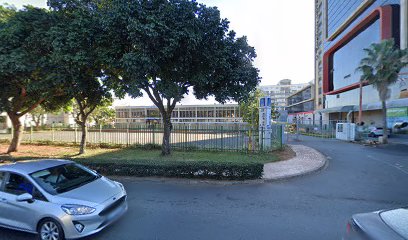
KZN Day Clinic is a Private hospital establishment in uMhlanga, KwaZulu-Natal, South Africa
KZN Day Clinic: Private day-surgical facility in uMhlanga, KwaZulu-Natal
Situated in the Umhlanga area of Durban, KZN Day Clinic presents a cost‑effective alternative to traditional acute hospitals for patients requiring minimally invasive procedures. The facility operates as a dedicated day clinic with two operating theatres and 11 day beds, designed to deliver hospital‑standard care in a smaller, more personalised setting. The clinic emphasises quick turnover for short stays, aiming to keep admissions and discharges efficient while maintaining high clinical standards.
A notable feature is its impressive roster of approximately 60 doctors and specialists based in Durban, spanning several disciplines. The clinical team includes experts in dentistry, plastic and maxillofacial surgery, gynaecology, orthopaedics, ENT, urology, ophthalmology, and general surgery, among others. This breadth allows a wide range of procedures to be conducted on the premises, including cosmetic and reconstructive plastic surgery, orthopaedic surgeries, dental and maxillofacial procedures, and gynaecological and urological services, as well as IVF through select fertility–related offerings.
The clinic places a strong emphasis on a high standard of care delivered through experienced doctors and highly qualified nursing staff, supported by modern equipment. The environment is intentionally more intimate than a large hospital, with small wards designed to offer personalised attention, while still upholding the standards expected of larger facilities. The overall philosophy centres on minimising bureaucracy and ensuring patients receive careful, attentive care from registered nurses and theatre staff throughout their stay.
From a clinical governance perspective, KZN Day Clinic operates under the Day Hospital Association (DHASA) framework, reflecting its status as a recognised day‑case facility. The clinic also highlights a policy of not treating septic or long‑term antibiotic cases, aiming to reduce the risk of hospital‑acquired infections. Procedures are commonly performed using minimally invasive techniques and anaesthesia with minimal side‑effects, facilitating same‑day admission and discharge for eligible patients.
In comparison with full‑service acute hospitals, KZN Day Clinic is presented as a more affordable option for procedures where day‑case pathways are appropriate. The management notes that overheads are reduced due to the clinic’s size, and these savings may be passed on to patients, sometimes with significant cost advantages for self‑funded individuals, fertility treatments, or cosmetic procedures. Importantly, most medical aid plans are described as authorising or covering day‑clinic procedures in full, depending on the scheme and clinical indications.
Requests for admission and procedure arrangements follow a structured process. Pre‑admission information guides patients through funding choices (medical aid or self‑funding), authorisation requirements (medical aid authorisation typically needed 24 hours before admission), and the online or in‑room completion of pre‑admission forms. An estimate is prepared by the clinic and shared with both patient and doctor before proceeding, with payments due prior to admission. Post‑treatment accounts are billed to the medical aid, with detailed copies available on request.
Typical customer experiences highlighted in available reviews point to a consistently positive impression of care quality, nursing dedication, and overall efficiency. Patients frequently commend care and attention from the team, noting smooth admissions, effective pain management, and a sense that the facility delivers a high standard of clinical service within a compact, patient‑friendly environment. Testimonials reflect appreciation for skilled surgeons, attentive administration, and a responsive support network.
Practical tips for customers planning a visit or procedure include scheduling within the stated operating hours (Monday to Friday from 06:30 to 19:00, Saturdays 06:30 to 12:00), and planning ahead for pre‑admission and medical aid authorisation. Prospective patients are advised to obtain an authorisation number from their medical aid at least 24 hours prior to admission and to arrange any required co‑payments in advance, as these are typically settled before admission. The clinic’s team can assist with online pre‑admission completion and documentation, with accounts issued directly to the medical aid and detailed statements available upon request.
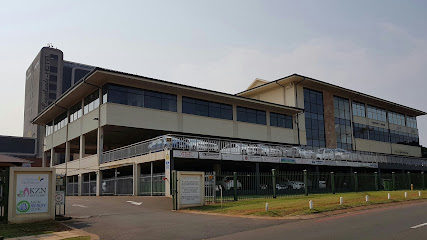
Location and service area are clearly defined. The clinic operates from the 2nd Floor of Ingenuity House, 325 Umhlanga Rocks Drive, Umhlanga, and serves clients across KwaZulu‑Natal and the surrounding Durban area seeking a private, efficient day‑case surgical experience. The facility is well positioned for residents and visitors seeking discreet, hospital‑grade care without extended inpatient stays, aligning with modern expectations for outpatient‑driven surgical pathways.
uMhlanga
KwaZulu-Natal
Umhlanga Ridge, uMhlanga
South Africa

Sorry, no records were found. Please adjust your search criteria and try again.
Sorry, unable to load the Maps API.
Private hospital services in uMhlanga, KwaZulu-Natal
Private hospital services in uMhlanga offer a blend of acute medical care, specialised interventions and postoperative support within a coastal urban setting. The area benefits from established private facilities that cater to both routine and more complex healthcare needs, drawing patients from across KwaZulu-Natal and neighbouring regions. The focus is on timely access to care, streamlined clinical pathways and a patient experience designed to minimise waiting times while maintaining high standards of clinical supervision and safety.
Hospitals in this area typically provide a range of services across several departments. General medical and surgical wards accommodate a spectrum of admissions, from routine elective procedures to urgent medical admissions. Speciality units often cover disciplines such as orthopaedics, cardiology, gynaecology and obstetrics, and urology, complemented by diagnostic imaging, laboratory services, and rehabilitation facilities. Advanced maternity services, neonatal care and neonatal support are commonly available, supported by continuous obstetric care arrangements. Outpatient and day-case procedures enable patients to undergo diagnostics, minor procedures and follow-up consultations without overnight stays, subject to clinical assessment.
Outpatient care plays a central role in private hospital provision. Patients may access specialist consultations, diagnostic testing, pre-operative assessments, and post-discharge follow-ups within the same setting. Private hospitals commonly operate with more flexible scheduling than public facilities, which can be advantageous for pre- and post-operative planning. Day theatres and recovery areas support procedures that do not require extended inpatient stays, enabling a quicker return to daily activities for many individuals.
Staffing structures emphasise multidisciplinary collaboration. Medical officers, specialists, nurses, allied health professionals and allied services contribute to a coordinated care plan. Clinical governance, infection prevention measures and patient safety protocols are standard considerations, with hospital teams focused on clear communication, timely escalation of concerns and thorough discharge planning. Families and carers frequently participate in care planning when appropriate, subject to patient consent and privacy requirements.
Practical considerations for private hospital attendance in uMhlanga include access, transport and accommodation options. The coastal town benefits from reasonable road connections and proximity to regional airports, along with a range of private clinics and diagnostic centres nearby. Within the hospital, patients may encounter private rooms or shared wards, depending on clinical need, availability and the level of care required. Insurance arrangements, preauthorisation requirements and assessment processes are common features of the patient journey; these steps aim to determine cover levels and facilitate smoother admission and discharge. It is advisable for patients and families to verify what is included in the cost of care, such as imaging, laboratory tests, pharmacy charges and potential extra services.
Planning for care in a private hospital often includes clear discharge instructions and follow-up care arrangements. Rehabilitation and physiotherapy services may be available on-site or through recommended external links, supporting recovery after surgical procedures or medical treatments. Nutritional support, social work and patient liaison services frequently assist with care coordination, billing queries and meal planning, subject to individual hospital policies.
Patients should be mindful of privacy and comfort standards, and inquire about visiting policies, infection control measures and the handling of patient records. In general, private hospital services in uMhlanga are designed to offer efficient clinical care within a secure environment, emphasising individualised treatment plans, informed consent and respectful communication. While specific facilities may vary, the overarching aim remains to deliver reliable medical services in a setting that combines clinical rigour with a supportive patient experience.