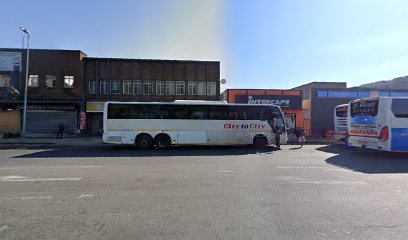
KZN Department of Economic Development, Tourism and Environmental Affairs is a Economic development agency establishment in Pietermaritzburg, KwaZulu-Natal, South Africa
KZN Department of Economic Development, Tourism and Environmental Affairs (EDTEA) – Pietermaritzburg, KwaZulu-Natal
The KwaZulu-Natal Department of Economic Development, Tourism and Environmental Affairs (EDTEA) operates as the provincial authority guiding socio-economic transformation within KwaZulu-Natal. Based in Pietermaritzburg, the department concentrates on policy leadership and strategic initiatives designed to promote development and growth across multiple sectors. Its mandate aligns with national and provincial frameworks, including key legislative acts, the Constitution and the Public Finance Management Act (PFMA). The department emphasises collaboration with private sector partners, civil society and other government spheres to realise an inclusive and sustainable economy that expands employment opportunities throughout the province.
EDTEA’s work is organised around four broad service areas that constitute the core offerings for businesses and public stakeholders. These are:
- Integrated Economic Development Services & Business Regulations – a framework intended to streamline regulatory processes while fostering business development. This area includes activities linked to the creation and regulation of an environment conducive to enterprise, entrepreneurship and growth within KwaZulu-Natal.
- Trade, Sector and Tourism Development – focused on strengthening key economic sectors, promoting trade, and cultivating tourism as a driver of economic activity and job creation. The department positions sectoral growth as a pathway to broader provincial prosperity.
- Economic Research, Strategy & Planning – dedicated to evidence-based policy, strategic planning and forward-looking economic analyses. This function supports decisions and programme design that aim to realise the province’s envisioned growth trajectory.
- Environmental Management Services – addressing environmental considerations within development and business operations, reinforcing sustainable practice across economic activities and regulatory measures.
From a visitor and stakeholder perspective, the EDTEA demonstrates a multi-faceted approach to fostering a resilient regional economy. While detailed service descriptions are not exhaustively enumerated on the presented materials, the department’s stated mission and vision reflect a commitment to leadership that catalyses a radically transformed, growing, inclusive and sustainable economy, with a focus on optimising employment opportunities for residents of KwaZulu-Natal.
In response to public safety and integrity, EDTEA also communicates practical consumer safeguards. A prominent scam alert cautions businesses against fraudulent inspections conducted by individuals falsely presenting government credentials. The notice clarifies that inspections are never privately contracted, and legitimate inspections are carried out by government officials in recognised attire with proper identification. It further advises that government officials do not charge for inspections or related verification activities. This guidance serves as a practical reminder for business owners to verify credentials and to report suspected fraud via the department’s channels.
The department’s public communications framework includes a dedicated News and Media Hub area, together with portals for public entities and ongoing updates. This indicates an emphasis on transparency and information sharing, with recent items spanning compliance, entrepreneurship initiatives, sectoral strategy discussions and regional events. For those seeking current developments, EDTEA maintains a digital footprint through its website and related online content, highlighting recent and forthcoming activities that may affect local businesses and development partners.
Typical engagement with EDTEA can be inferred as involving interaction with provincial authorities on regulatory matters, sector development schemes, environmental planning, and economic research. While specific transaction-type offerings, eligibility criteria, or service access points are not itemised in the available extracts, the department’s emphasis on integrated development and strategic coordination suggests that enterprises, investors and community organisations may engage through formal channels to align with provincial priorities and regulatory expectations.
Practical tips for customers and visitors include preserving a professional approach when dealing with inspections and regulatory processes, ensuring any official contact is corroborated by department-issued identification, and consulting EDTEA’s public notices and “News” sections for up-to-date guidance. As a precautionary measure, businesses operating in KwaZulu-Natal should remain aware of the fraudulent-inspection alert and verify identity with the provincial office or local municipality if ever in doubt. For those seeking the latest information, the department’s online resources and the EDTEA TV and news articles provide a window into current programmes, events and strategic priorities in the dynamic KwaZulu-Natal economy.
EDTEA’s regional focus on Pietermaritzburg and the broader KwaZulu-Natal area underlines its role as a key interlocutor for economic development, regulatory clarity and environmental stewardship within the province.
Pietermaritzburg
KwaZulu-Natal
3201
South Africa


Sorry, no records were found. Please adjust your search criteria and try again.
Sorry, unable to load the Maps API.
Economic Development Agency Services in Pietermaritzburg, KwaZulu-Natal
Economic development agencies in Pietermaritzburg operate at the interface of government, business and community interests, aiming to stimulate growth, create jobs and improve local competitiveness. These agencies typically serve as a conduit for information, funding opportunities and strategic partnerships, helping both emerging enterprises and established organisations navigate the economic landscape of KwaZulu-Natal and the broader South African economy.
Core services commonly offered include business support and advisory programmes. Entrepreneurs and small to medium-sized enterprises (SMEs) can access guidance on business planning, feasibility studies, market research and practical steps for scaling operations. Agencies frequently provide information on regulatory requirements, permitting processes, and licensing, enabling businesses to operate with greater confidence within Pietermaritzburg’s urban and peri-urban environments. In some cases, mentoring and coaching services accompany technical advice, pairing experienced professionals with new ventures to foster sustainable growth.
Financial facilitation is another key area. Economic development bodies may assist with identifying potential funding sources, including government grants, incentive schemes, and public‑private partnerships. While specific funding eligibility and application procedures vary, the aim is to streamline the process and reduce barriers for projects that align with regional development priorities, such as job creation, skills development, and technology adoption. Where available, agencies may also provide information on loan guarantees, equity support, or grant writing assistance, subject to prevailing policy frameworks.
Investment promotion and site development form a significant portion of these agencies’ work. Pietermaritzburg, as a centre within KwaZulu-Natal, benefits from guidance on locating or expanding operations in suitable sites, with considerations such as infrastructure readiness, access to transport corridors, and proximity to skilled labour pools. Agencies often produce or curate data on local industry strengths, workforce competencies and sector opportunities, helping clients assess strategic fit and planning horizons for long‑term projects. They may also coordinate with regional authorities to streamline site assessment and support services for new developments.
Talent development and workforce readiness are typically addressed through collaboration with educational institutions, training providers and employers. Initiatives commonly focus on upskilling in high-demand sectors, offering information about apprenticeships, bursaries, and customised training programmes. By aligning training with the needs of local employers, these services aim to reduce skills gaps and boost productivity, which in turn enhances the attractiveness of Pietermaritzburg to prospective investors and residents alike.
Entrepreneurial ecosystems receive attention through enterprise development programmes and networking opportunities. Economic development agencies often facilitate connections among startups, established firms, investors, and service providers. Networking events, business forums and sector-specific roundtables can create channels for collaboration, supplier diversification, and joint ventures.
Operational considerations shape how these services are delivered. Agencies typically operate through a combination of client support desks, online resources, and strategic partnerships with national and provincial bodies. The intensity and availability of assistance may vary according to funding cycles, political priorities, and regional development plans. Prospective clients should anticipate a structured intake process, during which a service adviser assesses needs, aligns them with applicable programmes, and outlines next steps. Documentation requirements often include a clear business case, registration details, and a demonstration of how proposed activities align with broader economic objectives.
Practically, access to services in Pietermaritzburg may depend on location, language, and typical working hours. Some assistance is available through municipal offices, provincial departments, or accredited partners, with a view to ensuring geographic reach across KwaZulu-Natal. While not every project will meet every criterion, agencies endeavour to offer pragmatic recommendations, timelines and milestones, enabling clients to prioritise actions and measure progress against initial objectives.
For organisations considering engagement, it is prudent to prepare a concise outline of project aims, expected outcomes, target markets or sectors, and a realistic budget. This enables a more efficient consultation and increases the likelihood of receiving targeted guidance or support. In addition, staying informed about regional priorities—such as infrastructure upgrades, rural development, tourism, manufacturing, or green economy initiatives—can help clients align proposals with funding and partnership opportunities available in Pietermaritzburg and the wider KwaZulu-Natal area.
In summary, economic development agency services in Pietermaritzburg are characterised by a focus on practical business support, access to funding information, investment facilitation, workforce development and ecosystem building. The overarching objective is to create a more vibrant, resilient local economy by connecting enterprises with resources, knowledge and collaborators that can unlock sustainable growth and employment opportunities in KwaZulu-Natal.