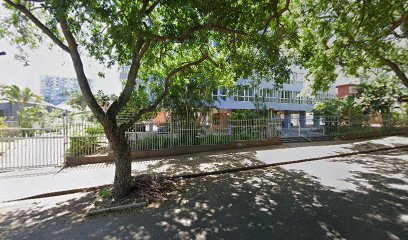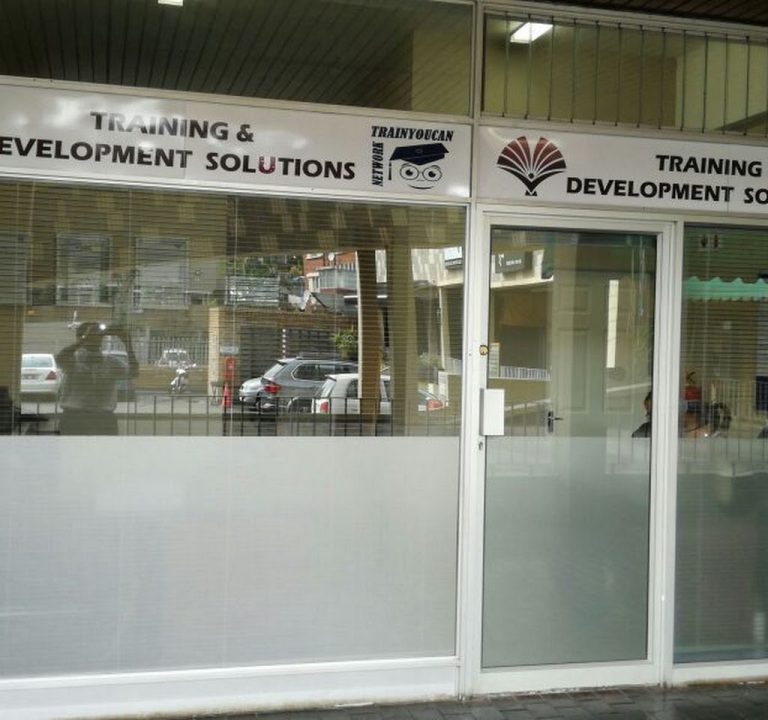
KZN Progressive Primary Health Care is a Non-profit organization establishment in Durban, KwaZulu-Natal, South Africa
PPHC: Progressive Primary Health Care in Durban – Services and Community Experience
The Progressive Primary Health Care (PPHC) operates as a well-established non-profit company delivering primary health care support across KwaZulu-Natal, with a focus on programmes that empower disadvantaged communities and promote women’s wellbeing. Originating from the KwaZulu-Natal branch of the National Progressive Primary Health Care Network, the organisation has transitioned to a self-sustaining model that emphasises capacity development, advocacy and sustainable community involvement in health. Its public-facing narrative centres on improving health status through comprehensive, community-based activity and training driven by partnership and capacity-building aims.
PPHC’s core offering blends hands-on health service delivery with skills development programmes. The organisation highlights its capacity to provide comprehensive primary health care support designed to enable communities to engage in health-promoting practices. This approach includes advocacy for improved access to care, alongside practical, skills-based initiatives intended to foster healthier lifestyles and stronger community structures. The long-term objective is to position PPHC as a leading provider of health care services and training within South Africa, underscored by a commitment to the wellbeing of families and the broader economy.
Central to PPHC’s activity is the Training Academy, established in 2009. The academy administers a suite of health-related courses designed to build mid-level health professionals from within marginalised communities. Courses include:
- Community Health Worker Course
- Health Promotion Officer Course
- Palliative Care & Chronic Home Based Care Course
- Pharmacist’s Assistant Course
From its early years, PPHC developed and expanded training in collaboration with external bodies. Notably, HWSETA-supported learnerships have formed a cornerstone of the organisation’s training strategy, enabling youth to access meaningful health-related qualifications such as Nursing Auxiliary and Enrolled Nurse programmes, Pharmacy Assistant qualifications, and related mid-level health worker pathways. These learnerships have been linked to broader capacity-building projects and social development goals, illustrating PPHC’s integrated approach to service delivery and workforce development.
Beyond training, PPHC has historically engaged in community health outreach and care delivery. The organisation has implemented home and community-based care (HCBC) initiatives, with peer educators visiting patients at home to reinforce treatment adherence and practical health messages. This approach extends to supporting clients with HIV/AIDS programmes, tuberculosis treatment guidance, and nutrition-sensitive activities like community gardens, reflecting a holistic view of health that includes social determinants such as access to fresh produce.
In terms of facilities and outreach infrastructure, PPHC has developed physical hubs such as the Multi-Purpose Centre (MPC) in Stepmore, Kwa-Sani, which serves as a venue for comprehensive PHC services and community outreach. The MPC project, supported through partnerships with international donors, exemplifies the organisation’s commitment to creating tangible spaces for health promotion, education and support services within communities.
Customer experiences, as reflected through available information, emphasise accessibility and ongoing support. The organisation has a history of collaborating with strategic partners to ensure programme sustainability, including associations with AMREF and Oxfam Australia in the past. The emphasis on training, capacity development and practical health education suggests that beneficiaries are engaged not only as patients but also as participants in their own health journeys, gaining skills that can contribute to local economy and employment.
Operational details such as typical hours, appointment processes or online self-service options are not extensively documented in the available material. However, the organisation’s contact channels – including a Durban-based telephone line and email address – point to a model that supports outreach, information exchange and enrolment in training programmes through direct communication.
Practical tips for potential learners or collaborators include considering the Training Academy’s course offerings as routes to entry-level health roles or community health work. Prospective students and partners may benefit from exploring HWSETA-funded pathways, particularly those aligned with nursing, pharmacy assistance and community health work. For those engaging with PPHC in a service capacity, it may be helpful to connect with the organisation to understand current training schedules, forthcoming learnerships and community outreach activities, especially in areas historically served by the Stepmore MPC and related initiatives.
Geographically, PPHC operates within KwaZulu-Natal, with Durban as a focal point in the description of activities. The organisation’s work supports broader public health aims through advocacy and the development of community health capacity, positioning it as a notable non-profit contributor to health promotion and skilled workforce development in the region.
Durban
KwaZulu-Natal
4001
South Africa
Sorry, no records were found. Please adjust your search criteria and try again.
Sorry, unable to load the Maps API.
Non-profit Organisation Services in Durban, KwaZulu-Natal
Non-profit organisations in Durban, KwaZulu-Natal often operate as critical conduits for community support, development and social care. They typically focus on addressing local needs through a combination of welfare, education, health, environment and community empowerment programmes. In this region, such organisations commonly collaborate with volunteers, donors and local authorities to translate charitable intentions into practical outcomes for marginalised groups and underserved neighbourhoods.
A broad spectrum of services is typically observed within Durban’s non-profit sector. Community uplift programmes frequently include initiatives aimed at poverty relief, food security and access to basic essentials. Education and skills development features prominently, with after-school support, literacy projects, numeracy programmes, and vocational training designed to improve long-term employment prospects. Health-related services may include health education, disease prevention campaigns, mental health support, and outreach to clinics and community health workers. Youth development services, leadership programmes and safe recreational activities offer structured opportunities for young people to engage positively and build resilience.
Specialist services are also common, reflecting the diverse needs of Durban’s population. These may include assistance for women and children at risk, inclusive services for people living with disabilities, and programmes to aid refugees and marginalised communities. Environmental initiatives, such as community clean-ups, recycling drives and urban greening, frequently align with local development goals while promoting civic participation. Disaster response and emergency relief are part of many organisations’ offerings, providing rapid support in the wake of floods, storms or other local crises. Capacity-building activities, including organisational training for volunteers and partner organisations, help sustain long-term impact and governance standards.
What customers can expect from such services is generally shaped by accessibility, transparency and reliability. Non-profit organisations tend to emphasise community-centred approaches, seeking to understand local priorities through consultation with residents, schools, clinics and faith-based groups. Delivery approaches may include outreach sessions in community halls, schools or clinics, as well as home visits for those with limited mobility. When services involve guidance or support referrals, organisations usually maintain links with recognised practitioners, government programmes or other civil-society partners to ensure continuity of care.
Practical considerations characterising the Durban context are worth noting. South Africa’s regulatory framework for non-profit organisations includes governance requirements, reporting expectations and compliance with charity status or comparable registrations. Local funding often depends on a mix of donor support, grant funding and fundraising activities, with formal budgeting and oversight playing a key role in safeguarding resources. Staffing may involve a blend of paid personnel, volunteers and local community delegates, each contributing to service delivery in ways that reflect cultural sensitivity and regional norms. For service users, considerations such as language accessibility, mobility, and culturally appropriate engagement are central to establishing trust and ensuring meaningful participation.
Operationally, organisations typically plan programmes with clear objectives, realistic timelines and measurable outcomes. Monitoring and evaluation are used to assess impact, though the level of formal assessment can vary widely. Partnerships with municipal authorities, educational institutions and healthcare providers frequently enhance reach and effectiveness, enabling shared resources and coordinated actions. While the description above does not imply any specific platform features, the underlying dynamics suggest a landscape in which Durban-based non-profits act as facilitators of social value, bridging gaps where public and private sectors do not always reach equally.
In summary, non-profit organisations in Durban commonly deliver a mix of social services, education, health, youth and environmental programmes, anchored in community engagement, responsible governance and collaborative partnerships. They aim to respond to local needs with practical, attainable interventions that support vulnerable residents and contribute to sustained community development across KwaZulu-Natal.