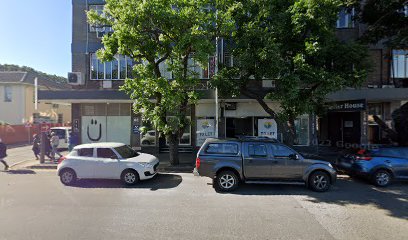
KZN SMME’s & COMDEV Forum is a Non-profit organization establishment in Durban, KwaZulu-Natal, South Africa
Durban
KwaZulu-Natal
Greyville, Durban
South Africa
Sorry, no records were found. Please adjust your search criteria and try again.
Sorry, unable to load the Maps API.
Non-profit organisation services in Durban, KwaZulu-Natal
In Durban and the broader KwaZulu-Natal region, non-profit organisations (NPOs) operate across a diverse range of sectors, from social development and education to health, environment, and community upliftment. The services provided tend to focus on meeting local needs, supporting vulnerable groups, and delivering programmes that complement government and private sector efforts. Organisations often emphasise community participation, eligibility criteria for beneficiaries, and measurable outcomes to demonstrate impact.
Typical services include direct assistance to communities, such as after-school learning programmes, skills development workshops, nutrition and food security initiatives, and capacity-building projects for local organisations. NPOs may run mentorship schemes, youth leadership camps, and counselling services, alongside health outreach programmes, vaccination drives, and mental health support. Environmental projects, waste management education, and conservation activities are also common, particularly in coastal and peri-urban areas where community stewardship is emphasised.
Support services frequently extend beyond programme delivery. Organisations may provide training in governance, financial management, grant writing, and project planning to partner groups or volunteers. Safeguarding and ethical practices are emphasised, with policies designed to protect vulnerable beneficiaries and ensure responsible handling of information. Where possible, partnerships with schools, clinics, faith-based groups, and municipal services help extend reach and sustainability.
Durban-based NPOs often operate with a mix of paid staff and volunteers, leveraging community knowledge and volunteers’ local networks to maximise effectiveness. Accountability is typically maintained through annual reporting, stakeholder consultation, and independent financial oversight. Organisations may seek funds through grants, community fundraisers, sponsorships, and donations, while pursuing transparent budgeting and expenditure tracking to reassure supporters and regulators.
Where beneficiaries are prioritised, practical considerations shape service delivery. Language and cultural responsiveness are important in a region with diverse communities and multi-lingual communications. Accessibility is addressed through venues that are physically reachable, with considerations for transport to programme sites, childcare during events, and flexibility to accommodate working households. When services involve contact with children or vulnerable individuals, safeguarding measures and clear referral pathways to additional support are standard practice.
For those seeking to engage with NPO services, expectations typically centre on clear programme objectives, defined beneficiary criteria, and realistic timelines. Organisations commonly outline the aims of a project, the expected outcomes, and the indicators used to assess success. Beneficiaries can anticipate support that is community-informed, non-discriminatory, and aligned with local needs. While individual experiences vary by programme, the emphasis remains on sustainable benefit rather than short-term interventions.
Operational considerations in Durban include navigating local regulatory requirements, maintaining good governance, and ensuring efficient delivery within budget constraints. Partnerships with municipal departments, healthcare facilities, schools, and civil society groups can enhance legitimacy and extend reach. Organisations may also prioritise resilience planning to cope with funding fluctuations, seasonal demand, and changing community dynamics, ensuring ongoing service delivery even during challenging periods.
In summary, non-profit organisation services in Durban typically combine direct community programmes with capacity-building and collaborative engagement. The aim is to support vulnerable residents, strengthen local networks, and contribute to long-term social improvement—delivered through practical, well-governed activities that reflect the needs and realities of KwaZulu-Natal’s diverse communities.