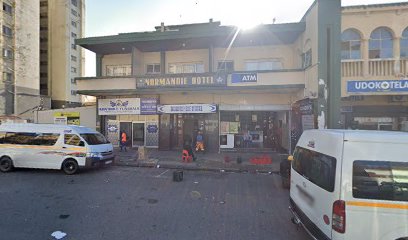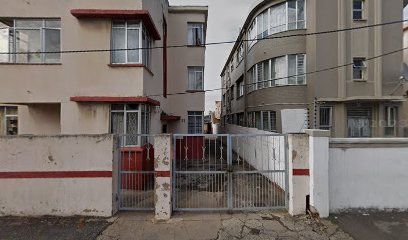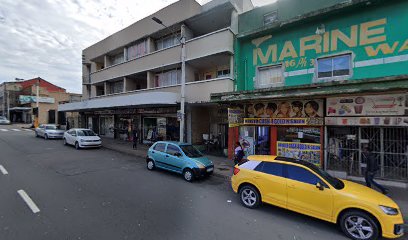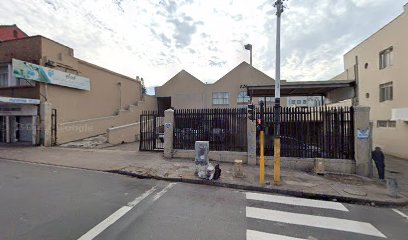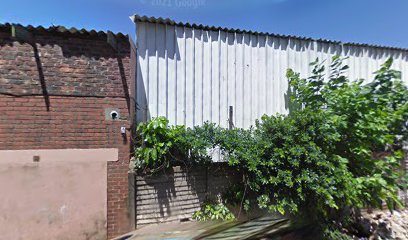
Lancers Road Musalla is a Mosque establishment in Berea, Kwa-Zulu Natal, South Africa
Berea
Kwa-Zulu Natal
4001
South Africa
Sorry, no records were found. Please adjust your search criteria and try again.
Sorry, unable to load the Maps API.
Mosque Services in Berea, Kwa-Zulu Natal
In Berea, KwaZulu-Natal, mosques serve as focal points of worship, education and community support for Muslims living in and around Durban. These institutions typically function as both places of daily prayer and centres for a broad spectrum of religious and social activities. While each mosque has its own distinctive character, the underlying purpose remains the same: to provide a welcoming space for neighbours to observe Islamic rites, seek guidance and participate in charitable endeavours.
Daily prayers form the core routine. The five daily prayers—Dhuhr, Asr, Maghrib, Isha and Fajr—are normally observed by worshippers at set times that vary with the season. Many mosques offer congregational Jumu’ah (Friday prayer) with a short sermon, which is a central weekly event for men and often attended by women in a designated space if available. Prayer halls are typically arranged to accommodate worshippers with separate sections for men and women, ensuring modesty and comfort. Ablution facilities (wudu areas) are standard, providing clean water and private spaces for ritual cleansing before prayer.
Beyond ritual duties, Berea mosques frequently provide educational programmes aimed at all ages. Noor-like Qur’an classes, Tajweed instruction, and memorisation (Hifz) sessions are common features, designed to deepen understanding of the holy text and improve recitation skills. Labelled as community learning rather than formal certification structures, these classes prioritise consistent participation and spiritual enrichment over terminology. For younger residents, Sunday school activities or weekend programmes may introduce basic Islamic history, ethics and Arabic language basics, helping to foster a sense of belonging and continuity within the community.
Charitable work and social support are often emphasised in mosque programming. Zakat and Sadaqah distributions are commonly organised to assist families in need, both locally and within wider networks. Some mosques operate food banks or provide emergency assistance during times of hardship. Community noticeboards and regular announcements help keep residents informed about outreach opportunities, rites of passage, and charitable campaigns tied to Ramadan, Eid and other important occasions.
Practical considerations for visitors include accessibility and etiquette. Mosques in Berea are generally open during visiting hours for prayer and quiet reflection, though peak times may see crowds around prayer sessions. Appropriate modest dress is appreciated, and visitors are often asked to remove footwear before entering worship spaces. Street parking is usually available nearby, but proximity may vary between locations, particularly on Fridays or during festival periods when crowds increase. Some mosques offer separate entrances or designated areas for women, and travellers should be mindful of these arrangements when planning a visit.
For those seeking a sense of community, mosques in Berea commonly host social events and interfaith dialogues, aiming to build bridges with neighbouring communities. These gatherings provide opportunities to learn about Islamic practices, guest lectures and cultural celebrations, fostering mutual respect and understanding. When attending, it is advisable to check local notices or contact the mosque administration for current schedules and any visitor guidelines.
Overall, mosque services in Berea reflect a balanced blend of worship, learning and service. They function as accessible, supportive hubs where residents can observe daily prayer, participate in educational activities, access charitable resources and engage with a diverse local community. Visitors and newcomers are welcomed to observe respectfully, inquire about programmes, and become part of the respectful, enduring traditions that characterise these faith communities in KwaZulu-Natal.