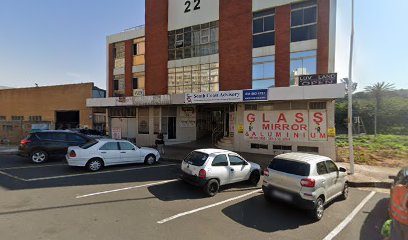
Lewende water gemeente is a Church establishment in Amanzimtoti, Kwa-Zulu Natal, South Africa
Amanzimtoti
Kwa-Zulu Natal
4126
South Africa
Sorry, no records were found. Please adjust your search criteria and try again.
Sorry, unable to load the Maps API.
Church Services in Amanzimtoti, Kwa-Zulu Natal: A Practical Guide for Visitors
Church life in Amanzimtoti reflects the town’s diverse spiritual landscape, with congregations ranging from traditional to contemporary styles. Visitors can expect to find regular Sunday services that blend worship, teaching, and community fellowship, as well as midweek gatherings and special programmes aligned with local needs and events. The town’s coastal setting often informs a welcoming and relaxed atmosphere, while reverence and orderly practices remain a common thread across denominations.
Most churches in Amanzimtoti hold Sunday services during the morning hours, with some venues offering additional gatherings in the late afternoon or evening. A typical service features congregational singing, a period of prayer, scripture readings, a sermon, and a concluding blessing. Worship styles vary by denomination and church family; some services are characterised by hymns and organ or piano accompaniment, while others adopt contemporary bands, multimedia presentations, and more informal formats. The sermon aims to provide practical encouragement for daily life, drawing on biblical themes and moral teaching relevant to local families, workers, and students.
Beyond Sunday worship, many churches operate midweek programmes. These may include Bible study groups, youth programmes, and prayer meetings, offering opportunities for deeper engagement, practical support, and social connection. Some congregations run outreach initiatives within Amanzimtoti and neighbouring communities, such as food banks, shelter partnerships, or volunteer-based services. Families often find programmes for children and teenagers alongside adult education and spiritual development activities, helping to foster continuity across generations.
Facilities and accessibility vary by venue. Most churches in the area provide ample parking, with some located near main thoroughfares for easy public transport access. When visiting, it is prudent to arrive a little early to find seating, collect service materials, and familiarise newcomers with the orientation of the space. Dress codes tend to be modest and respectful, though many congregations maintain a welcoming, casual approach. Visitors should be mindful of the tone of the service, including any times allocated for prayer or quiet reflection.
In terms of language, services in Amanzimtoti are conducted in English in many churches, while others may include isiZulu or bilingual components. Hymn sheets, projected lyrics, and printed readings are commonly provided to assist attendance. It is customary to observe local practices during a service, such as standing for certain prayers or songs, and sometimes participating in a shared greeting or benediction. Offerings are typically collected as part of the service, with plates passed around or a designated box or container placed at the rear of the venue.
Practical considerations for first-time visitors include checking service times in advance, especially during holiday periods or during special commemorations. For those seeking baptisms, weddings, or funerals, it is advisable to contact the church office ahead of time to understand timing, requirements, and any preparatory classes or interviews. Accessibility for people with disabilities, seating arrangements for families with young children, and child safety policies are commonly addressed by local churches, and many provide a welcoming corner or crèche for infants and toddlers during services.
Overall, church services in Amanzimtoti present an inviting opportunity to experience local faith communities, enjoy communal singing and teaching, and participate in acts of service that reflect the town’s hospitality and shared values. Visitors are encouraged to approach with an open heart, respect for local customs, and an appreciation for the supportive network that religious life often offers in this Kwa-Zulu Natal coastal town.