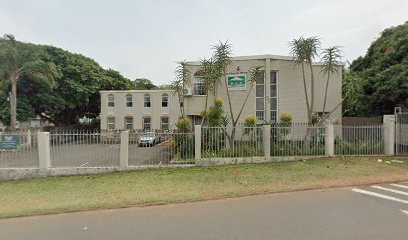
LICENSE BUSTERS / PVT MOTOR VEHICLE LICENSING AGENCY is a Driver and vehicle licensing agency establishment in Durban, KwaZulu-Natal, South Africa
License Busters / PVT Motor Vehicle Licensing Agency — Durban, KwaZulu-Natal
License Busters operates as a Durban-based advisory and processing partner for motorists navigating South Africa’s vehicle licensing and road-traffic processes. The organisation presents itself as a convenient intermediary for residents dealing with licence plate changes, new plate formats, AARTO fines guidance, and licence disc renewals. Services appear to be delivered via a combination of information provision, quotation-based assistance, and form-driven workflows intended to streamline interactions with licensing authorities.
Main services offered include assistance with changing to the new KwaZulu-Natal (KZN) number plate format. The site outlines a process whereby clients submit the required information through a form, receive a quotation, and are then advised on what is needed to proceed. This structure suggests a focus on reducing the administrative burden for customers who must navigate plate conversion or replacement tasks, with communications via email to facilitate the quoting and planning stages.
In relation to the new number plate regulations for KZN, the information provided indicates a transition framework for existing registrations and new vehicles. The content details that existing numbers can be retained for a two-year period (until 31 December 2025) under specific conditions related to vehicle ownership and continuity of the current plate on the same vehicle. It also notes that all new vehicles and transferred vehicles will receive the new format numbers, and that plates may be acrylic or metal and can be obtained from any number plate embosser. The provider offers to assist with conversions or obtaining new plates, including guidance on converting personalised numbers to the new format (blue and white plates).
Another facet of the offering relates to AARTO fines and the demerit system. The information presented emphasises the potential impact of AARTO on both private and business vehicle owners, highlighting the importance of understanding the regime and implementing measures to manage risk. The site segments information into related categories such as understanding AARTO, the burden on vehicle owners, and various packages for different ownership scenarios (single, multiple vehicles, small to medium businesses, and larger fleets). This framing indicates an emphasis on educating customers and providing structured packaged support for compliance and risk management.
License Busters also advertises a service for license disc renewals, with a stated fee of R200 per renewal (excluding VAT and KwaZulu-Natal revenue fees). The service is described as handling renewals on behalf of clients after completing a straightforward form to obtain a quote, with a note of potential discounts for multiple renewals. The implicit model is to reduce queuing and administrative tasks for customers by managing renewals on their behalf.
Contact information is provided to support the service offering. An email address for dealer support is listed ([email protected]), alongside a renewals contact ([email protected]). The office hours are stated as 9:00 to 16:00 from Monday to Thursday and 9:00 to 15:00 on Fridays. The physical address places the business at the License-Busters premises in Parkhill, Durban North, with specific directions referencing Church Road and Eastview Road as access points. This localisation underlines the Durban-focused nature of the operation and its readiness to assist local motorists.
Typical job types and client scenarios implied by the content include individuals seeking to convert or replace number plates (including the new ZN format), vehicle owners managing the transition for current registrations, and businesses or private individuals needing guidance or support with AARTO and licence renewals. The materials suggest a practical, information-forward approach rather than offering in-house licensing authority services; instead, the emphasis rests on facilitating the process through documentation, quotations, and advisory guidance.
Practical tips for customers include starting with the online form to obtain a quote for number plate changes or renewals, noting the two-year retention window for existing numbers and the requirement to migrate to the new plate format in due course. It is advisable to verify whether existing or new plates meet personal preferences (blue and white vs. green variants) and to consider the benefits of assisted renewals to avoid queues at licensing offices. For those in KwaZulu-Natal, awareness of the deadline for the old number plates and the new format requirements can help in planning renewals and plate changes ahead of legislative milestones.
Geographical scope is centred on Durban and the KwaZulu-Natal region, with explicit reference to local licensing workflows, post offices, embosser networks, and the state of the new plate regulations as they apply to local vehicles. The information also references online and branch-based options for obtaining or converting plates, aligning with a community of road-traffic stakeholders within the Durban area.
Durban
KwaZulu-Natal
4051
South Africa
Sorry, no records were found. Please adjust your search criteria and try again.
Sorry, unable to load the Maps API.
Driver and Vehicle Licensing Agency Services in Durban, KwaZulu-Natal
In Durban, KwaZulu-Natal, driving and vehicle licensing services are typically delivered through regional branches and centres administered by the relevant provincial department. These facilities handle a broad range of activities related to driving licences, learner’s licences, vehicle registrations, licences discs, and other regulatory duties connected with road transport. The approach emphasises procedural clarity, regulated fees, and the need for applicants to present appropriate documentation at the point of service.
For individuals seeking to obtain a learner’s licence, Durban residents usually visit a designated licensing centre to complete the written assessment and to submit the required forms. On successful completion, a learner’s licence is issued to allow practice driving under the supervision of a qualified driver. For those preparing to advance to a full driving licence, a practical driving test is commonly arranged at a nearby test centre, subject to meeting the eligibility requirements and passing the necessary assessments. The process is structured to ensure applicants demonstrate core road-safety knowledge and practical driving competence.
Regular licences for private and commercial vehicles are issued following the completion of health checks, identity verification, and proof of address. Renewal reminders are generally communicated through the appropriate channels to help ensure licences remain valid, with renewed licences reflecting the driver’s current status and any endorsements or restrictions that may apply. Vehicle owners also engage with licensing services to register or re-register motor vehicles, obtain number plates, and secure the annual licence disc that signifies current road tax obligations and legal authentication for road use.
Endorsements and restrictions are a notable feature of Durban’s licensing framework. Drivers may require additional qualifications for specific vehicle categories or driving duties, such as professional or passenger transport licensing. Where applicable, applicants should expect to provide supporting documentation, such as medical certificates or professional authorisations, to support these endorsements. Vehicle owners may be asked to present proof of ownership, odometer readings, and up-to-date insurance information during registration or renewal processes.
Practical considerations for prospective applicants include understanding location-specific opening hours, service queues, and the potential need to book appointments for certain transactions. It is common for centres to operate with a mix of counter services and testing facilities, which means customers should plan for potential wait times and bring all required documents to avoid delays. Fees are payable at the point of service, and pricing structures are aligned with national or provincial regulations, with some services subject to periodic adjustments.
Customer expectations in Durban typically centre on clear guidance, efficient processing, and reliable documentation. Staff at licensing venues are generally trained to verify identity, confirm residency status, and ensure compliance with vehicle and driving regulations. When visiting, individuals should have readily available forms of identification, proof of address, and any previously issued licences or certificate documents. In instances of complex licensing needs—such as learner’s licences, renewals, or endorsements—the process may involve staged steps, including initial assessments, application submissions, and subsequent collection of documents or licences.
Overall, the driver and vehicle licensing system in Durban aims to balance public safety with accessible service delivery. By maintaining standard procedures for document submission, testing, and licensing, the system supports responsible road behaviour while enabling residents and businesses to keep driving permissions and vehicle registrations up to date in a timely manner.