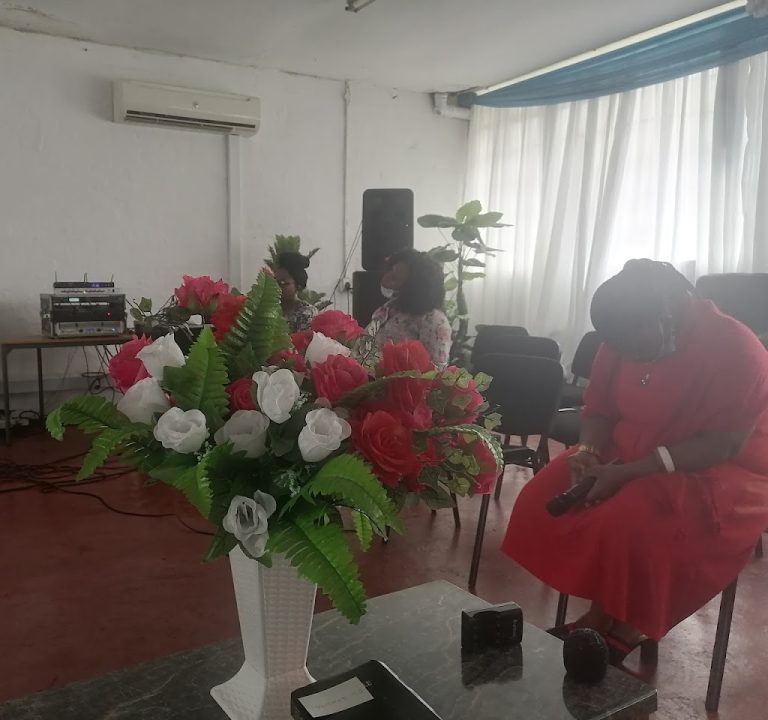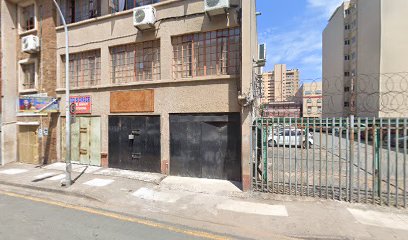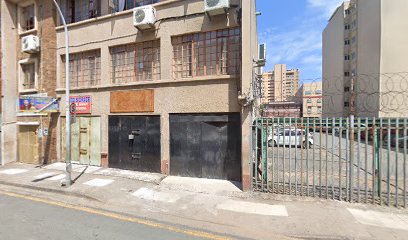
Life Embassy Worldwide is a Church establishment in Durban, KwaZulu-Natal, South Africa
Durban
KwaZulu-Natal
Durban
South Africa
Sorry, no records were found. Please adjust your search criteria and try again.
Sorry, unable to load the Maps API.
Church Services in Durban, KwaZulu-Natal: A Practical Guide
Durban, a coastal city in KwaZulu-Natal, presents a diverse ecclesiastical landscape where church life often reflects the region’s cultural and linguistic richness. Visitors and residents alike can expect a range of services that blend traditional liturgy with contemporary worship, complemented by local community programmes and charitable outreach.
Typically, Sunday forms the core of church activity. Many congregations hold a main morning service that lasts about 60 to 90 minutes, featuring a blend of hymns, gospel songs, prayers, and a sermon. In Durban, it is common to encounter choirs and musicians who integrate African musical styles with more familiar Anglican, Methodist, Baptist, or Pentecostal worship traditions. Some congregations may offer additional services in the late afternoon or early evening to accommodate families and workers.
Alongside Sunday worship, numerous churches run midweek gatherings. These can include prayer meetings, Bible study groups, and youth programmes. For younger attendees, activities often combine teaching with social engagement, encouraging practical acts of service within the local community. However, the exact format varies by denomination and individual church, with some prioritising more formal study and others emphasising expressive, contemporary worship.
Baptisms, weddings, and funerals are typical milestones hosted by Durban churches. Baptisms may occur during regular services or as separate ceremonies, sometimes performed in water as a symbolic cleansing and initiation into the faith. Weddings are commonly held within church buildings, with arrangements tailored to the couple’s traditions and desires. Funerals or memorial services provide a focal point for family and friends to reflect on a life lived and to offer support through a period of grief. Arrangements for these rites are usually discussed directly with the church leadership or designated deacons and ministers.
Community outreach is a notable feature in many Durban churches. Local initiatives often include food banks, shelter programmes, and partnerships with schools or clinics. Such efforts can be aimed at addressing hunger, poverty, or social needs within nearby neighbourhoods and townships. Visitors may notice information boards or volunteer sign‑ups that indicate opportunities to contribute or learn more about ongoing projects.
Practical considerations for attending include the following:
- Language and accessibility: Durban’s churches may offer services in English, isiZulu, or a combination of languages. Some venues provide interpretation or quiet rooms for those who require them. Accessibility varies; it is wise to check whether seating, parking, and facilities accommodate those with mobility needs.
- Dress and atmosphere: Dress codes range from informal to more formal. The emphasis in most Durban churches is modest, respectful attire, though many congregations welcome contemporary fashion as well.
- Parking and arrival: Ample parking is common around churches, but peak times can be busy. Arriving a little early helps with parking, ushers, and finding a seat.
- Donations and budgeting: Offerings are typically collected during services to support church activities and charitable work. Visitors should not feel obliged to contribute, though understanding local customs regarding offerings can be helpful.
- Safety and security: Like public venues, churches may implement basic security measures. It is prudent to follow guidance from church staff and respect local safety practices.
In summary, Durban’s church scene offers a broad spectrum of worship experiences, community involvement, and rites of passage suitable for residents and visitors alike. The core aim remains the same: to foster a sense of community, spiritual reflection, and support for local needs, within a welcoming and culturally rich city setting.