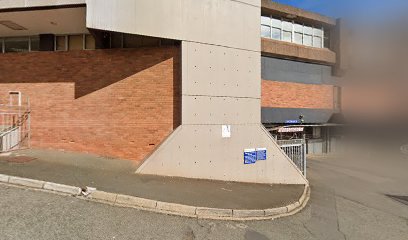
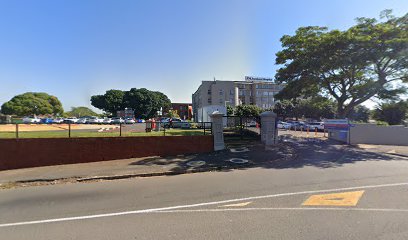
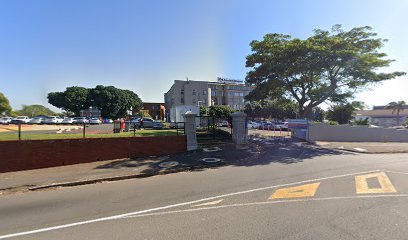
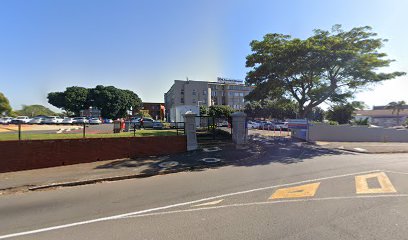
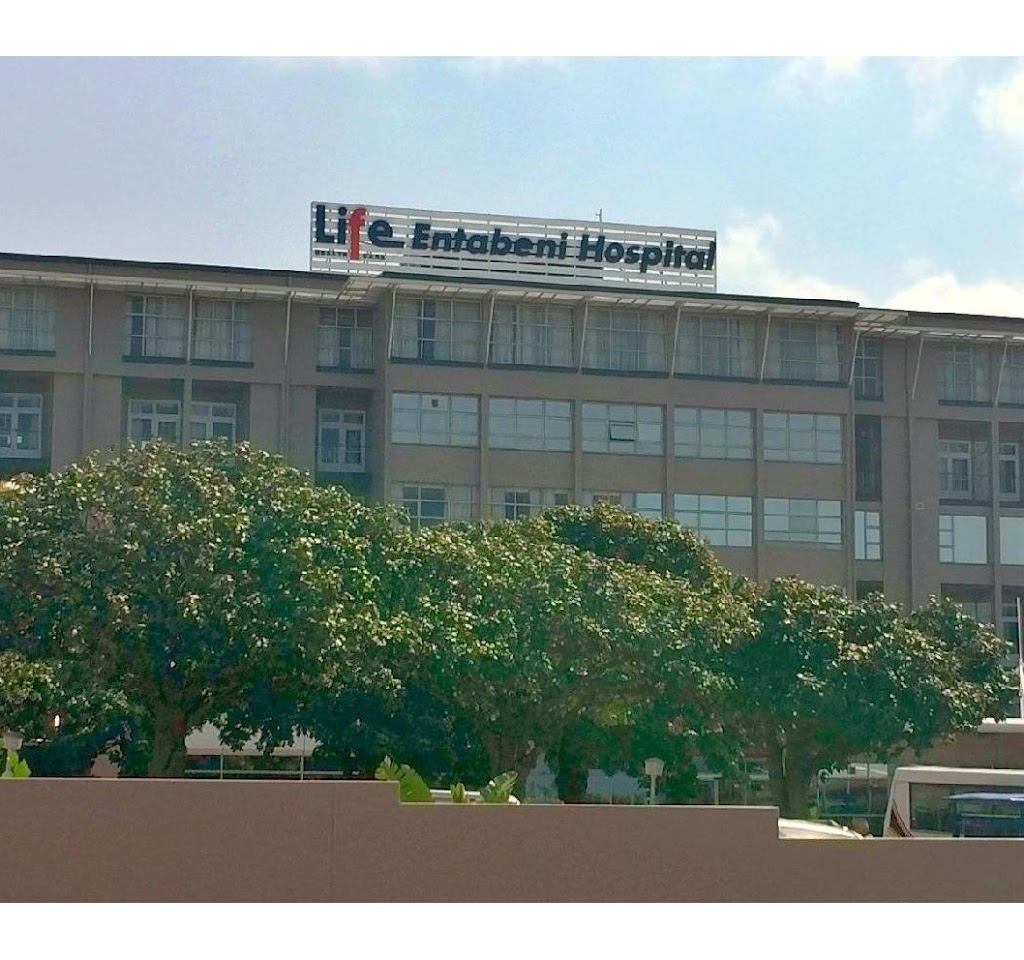
Life Entabeni Hospital is a Specialized hospital establishment in Berea, Kwa-Zulu Natal, South Africa
Life Entabeni Hospital: a specialised hospital in Berea, Durban
Life Entabeni Hospital sits in the Berea area of Durban, Kwa-Zulu Natal, offering a comprehensive range of specialist medical services within a 359-bed facility, plus an additional 50 beds in its rehabilitation unit. The hospital is renowned for rehabilitation for patients disabled by traumatic brain injury, stroke, spinal cord injury and other disabling conditions. A key feature is the renal unit located at Life St Joseph’s adjacent to the hospital, which opened in 2012 and provides haemodialysis treatment across a 12-station unit in a hospital setting. This combination of acute care, rehabilitation and renal services positions Life Entabeni as a multifaceted centre for complex medical needs.
As part of the Life Healthcare Group, one of South Africa’s largest private hospital networks, Life Entabeni benefits from a shared standard of clinical excellence, patient safety culture and ongoing staff training. The hospital emphasises empathy, ethics, excellence and empowerment in its approach to patient care, aligning with the group’s broader commitment to quality outcomes and patient experience.
The hospital provides a broad array of medical disciplines across cardiology, surgery (including cardiothoracic, general, hepatobiliary, orthopaedic and maxillofacial), neurology and neurosurgery, paediatrics, oncology, radiology, nephrology and endocrinology, among others. Ancillary services augment clinical care, with audiology, psychology, occupational and speech therapies, renal dialysis, a sleep laboratory and social services available to support recovery and rehabilitation. The department mix supports both elective and urgent care needs, with a focus on multidisciplinary teamwork and continuity of care for patients and their families.
Specialist staff include a diverse pool of doctors across key disciplines, such as cardiology, cardiothoracic surgery, ENT, neurology and neurosurgery, orthopaedics, paediatrics and nephrology. The hospital’s therapeutic and rehabilitation capabilities are reinforced by a range of clinical psychology, occupational therapy, physiotherapy and speech therapy services. The presence of a dedicated renal dialysis service within the Life network further strengthens the hospital’s capacity to manage chronic conditions in a hospital setting.
Emergency services are available on-site, with an Emergency Unit supported by Life Emergency Medical Services, underscoring the hospital’s readiness to manage acute presentations and urgent transfer needs. Visiting hours are standardised to allow family and carers to spend meaningful time with patients, with all wards open between 15:00–16:00 and 19:15–20:15, subject to clinical considerations. For neonatal and paediatric wards, exceptions to visiting hours may apply, and direct contact with the hospital is advised for specific arrangements.
Patients and their families can engage with the hospital through established channels, including an online pre-admission facility designed to streamline admissions and reduce handling on arrival. The pre-admission portal is integrated across Life Healthcare hospitals, reflecting the network’s attention to patient convenience and operational efficiency. General accessibility information, including telephone and email contacts ([email protected]), supports inquiries and care coordination prior to and during hospitalisation.
The hospital is located at 148 Mazisi Kunene (South Ridge Road), Berea, Durban, 4001, placing it within reach of the Kwa-Zulu Natal region it serves. The Berea vicinity is well positioned to serve the wider city and surrounding communities needing specialised hospital care, rehabilitation, and renal services.
For patients seeking assurance about quality and safety, Life Entabeni is part of a group that publicises patient quality and safety measures, clinical outcomes, and patient experience surveys. These measures aim to provide transparency and assist patients in making informed decisions about their care, while supporting continuous improvement across the network.
Practical tips for potential patients and visitors include reviewing pre-admission requirements, understanding the involvement of family in care planning, and noting the structured visiting hours to plan visits effectively. When arranging complex or multiple services—such as rehabilitation after a neurological event or renal dialysis—coordinating with the hospital’s multidisciplinary teams can help streamline the patient journey and restore independence as quickly as possible.
Life Entabeni’s scope of services, commitment to high standards of care, and integration within a large private hospital group offer a coherent pathway for patients in need of acute care, rehabilitation and renal services in the Durban area.
Berea
Kwa-Zulu Natal
Berea
South Africa
Sorry, no records were found. Please adjust your search criteria and try again.
Sorry, unable to load the Maps API.
Specialised hospital services in Berea, Kwa-Zulu Natal
Specialised hospital services in Berea are designed to cater to patients requiring focused medical care beyond general or primary hospital offerings. The Berea area, known for its access to major medical facilities and skilled healthcare professionals, typically features units and departments that address complex conditions while coordinating care with broader hospital networks in Kwa-Zulu Natal. This type of setting often emphasises multidisciplinary collaboration, high standards of patient safety, and careful management of transitions between departments and levels of care.
Patients seeking specialised hospital services can expect a range of dedicated clinical departments that concentrate on specific medical needs. Common areas include diagnostic imaging, rehabilitation, surgical subspecialties, intensive or high-dependency care, and chronic disease management programmes. In Berea, these services are usually supported by diagnostic laboratories, pharmacology services, and allied health professionals such as physiotherapists, occupational therapists, and dietitians who contribute to comprehensive treatment plans. The goal is to provide timely, accurate diagnoses and to implement targeted treatment strategies that align with best practice guidelines and local health policies.
In terms of what patients experience, workflows typically begin with an initial assessment by a specialist or a designated clinical team. This is followed by focused investigations, formulation of a personalised care plan, and ongoing monitoring to adjust treatment as needed. Ongoing communication with patients and families is essential, particularly when decisions involve complex care options, surgical planning, or short- and long-term rehabilitation. Safety protocols, including infection control, medication safety, and clearly documented care pathways, are standard features in specialised hospital services in this area.
Practical considerations for those accessing specialised hospital services in Berea include the following:
- Access and transport: The Berea area is well-connected by road and public transport, but patients with mobility or post-operative care needs may require additional arrangements for safe travel and hospital access.
- Appointment scheduling: Specialist services often operate on a referral model, with multi-disciplinary teams reviewing cases. Waiting times can vary based on urgency, availability of specialists, and the complexity of the condition.
- Care coordination: Where possible, there is an emphasis on integrating follow-up care with primary care providers and community services to support continuity after discharge.
- Convincing information: Hospitals typically provide clear explanations of treatment options, potential risks, recovery expectations, and the likely duration of hospital stay, enabling informed decisions for patients and families.
- Privacy and comfort: In line with standard hospital practice, patient surroundings prioritise privacy, dignity, and comfort, while enabling efficient clinical assessment and procedures.
- Financial considerations: It is prudent to understand which services are covered by public health funding or private medical schemes, and to obtain an itemised understanding of any out-of-pocket costs prior to procedures.
- Preparation and aftercare: Depending on the nature of the specialised service, patients may be asked to undertake pre-admission tests, fast for certain procedures, or arrange post-discharge support at home or in rehabilitative facilities.
Overall, specialised hospital services in Berea, Kwa-Zulu Natal, are characterised by focused clinical expertise, multidisciplinary collaboration, and an emphasis on coordinated care pathways. While the exact configuration of services varies between facilities, the overarching aim remains consistent: to provide high-quality, patient-centred care that addresses specific medical needs efficiently and safely, within the context of the local healthcare landscape.