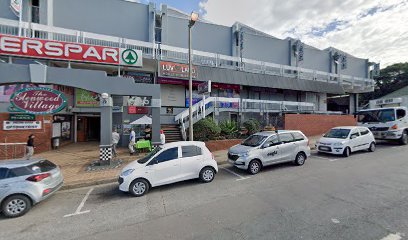
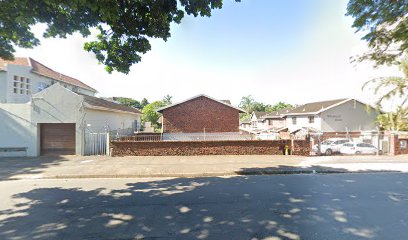
Lights On Electrical Contractors is a Electrical installation service establishment in Durban, KwaZulu-Natal, South Africa
Durban
KwaZulu-Natal
4001
South Africa


Sorry, no records were found. Please adjust your search criteria and try again.
Sorry, unable to load the Maps API.
Electrical installation services in Durban, KwaZulu-Natal
In Durban and the wider KwaZulu-Natal region, electrical installation services cover a broad spectrum of requirements for residential, commercial, and light industrial settings. From new builds and renovations to routine maintenance and safety upgrades, skilled electrical practitioners address the practical needs of clients while navigating the climatic and infrastructural realities of the coastline. Work typically emphasises safety, reliability, and compliance with local electrical standards and regulations.
Typical offerings a customer can expect include initial site assessments, careful electrical design, and the planning required to ensure that installations align with use-case needs and future scalability. Service providers often handle the complete scope—from efficient distribution boards and wiring routes to protective devices, earthing systems, and proper cable management. In Durban, where humidity and coastal conditions can influence materials and corrosion risk, emphasis on weather-resistant enclosures and robust fittings is common to prolong service life and minimise maintenance.
Electrical installation work commonly encompasses the following areas:
- New installations for residential homes and commercial spaces, including layouts for lighting, power outlets, and specialised equipment.
- Wiring upgrades and rewiring where older installations no longer meet safety standards or demand higher electrical loads.
- Upgrading consumer units (distribution boards) to improve protection, circuit segmentation, and fault isolation.
- Lighting design and installation, including energy-efficient LED schemes, outdoor lighting, and emergency lighting considerations.
- Electrical fault finding, repairs, and preventive maintenance to address outages, tripping, or abnormal electrical behaviour.
- Single-phase and three-phase installations for commercial premises, with attention to load balancing and safe commissioning.
- Electrical safety compliance activities, such as electrical inspections and documentation to support regulatory requirements.
- Data, telecommunications, and supplementary electrical services integration, where required for modern offices or retail spaces.
- Solar photovoltaic (PV) and inverter integration, where appropriate, to optimise energy use within legal and grid rules.
- Outdoor power supply, pool and garden electrical installations, subject to weather protection and safety considerations.
What customers can expect during the engagement is a structured approach: an initial estimate or assessment, a clear written scope of work, and a timetable that accounts for access requirements, material availability, and weather. Practitioners typically perform a site visit to confirm currents and loads, review electrical drawings (if available), and identify any asbestos or legacy wiring concerns before proceeding. Once work begins, trained electricians carry out installation activities to professional standards, followed by testing and commissioning to verify correct operation of circuits, protective devices, and safety interlocks. A formal handover often includes inspection notes and, where applicable, documentation such as a certificate of compliance, which demonstrates that the installation meets recognised safety criteria.
Practical considerations in Durban include planning around load demands and potential outages from local networks, which can affect project scheduling and temporary power arrangements. The coastal climate necessitates appropriate protection against moisture, corrosion, and UV exposure for exterior fittings. Materials chosen should be suitable for the environment, with attention to cable types, enclosure sealing, and long-term maintenance needs. Accessibility and convenience for ongoing service, including straightforward access to meters and distribution boards, are commonly addressed in the initial design phase. Overall, the aim is to deliver reliable electrical systems that perform safely under Durban’s conditions while offering room for future adaptation as needs evolve.