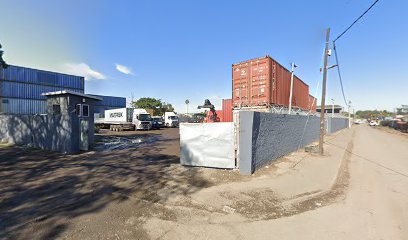
Lindasiviwe Construction & Heavy Lifting Equipment is a Construction equipment supplier establishment in Durban, KwaZulu-Natal, South Africa
Lindasiviwe Construction & Heavy Lifting Equipment – Service Summary
Lindasiviwe Construction & Heavy Lifting Equipment operates as a specialised provider of heavy lifting and related engineering services within South Africa, with services extending across Southern Africa. The organisation presents a clear focus on moving products and materials efficiently, emphasising capacity to undertake demanding hoisting tasks and to mobilise equipment and operators across a broad geographic footprint.
The company is positioned as a complete solution for heavy lifting needs, combining engineering know‑how with practical hoisting capabilities. Its offering includes a variety of hoisting vehicle options paired with professional operators, enabling client projects to progress in a structured and controlled manner. This combination suggests an emphasis on safety, reliability and operational efficiency, important considerations for projects that require precise handling of heavy loads.
Across its stated field of operations, Lindasiviwe addresses a wide spectrum of business sectors. The portfolio highlights involvement in construction and manufacturing activities, alongside critical logistics functions such as shipping and logistics, which typically require robust material handling and transport capabilities. The company also references engagement with industries including mining, utilities, waste management, agriculture, and timber, indicating versatility in adapting lifting and engineering solutions to sector‑specific demands and environments.
In terms of core engineering services, the emphasis is placed on heavy lifting and lifting operations as a central capability, supported by years of experience serving both private clients and government sectors. The narrative conveys a capability to integrate lifting with broader engineering tasks, suggesting a multidisciplinary approach to project execution that can align with diverse procurement, safety and compliance requirements.
The customer feedback segment presents a concise glimpse into the client experience. A visitor review highlights professional conduct, knowledge, and service delivery as notable strengths. While individual testimonials are brief, they contribute to a perception of dependable interaction and competence, reinforcing trust in the company’s technical and client‑facing performance.
Visiting and interacting with Lindasiviwe’s online presence conveys that enquiries and service requests are channelled through an “Request Appointment” mechanism and related contact points. This indicates a formal process for initiating projects, enabling potential clients to outline requirements, timelines and scope prior to engagement. The website also features a blog section described as containing industry insights authored by specialists, suggesting a commitment to knowledge sharing and keeping clients informed about hoisting, logistics and engineering topics.
Geographically, the business describes itself as countrywide within the Southern African context, which implies the capability to coordinate large‑scale lifting projects beyond local confines. While Durban, KwaZulu‑Natal is referenced within the business category, the stated reach extends beyond a single city, aligning with the claim of broad regional service delivery.
Typical project profiles hinted at by the site would involve industries that depend on heavy lifting and materials handling, such as construction projects requiring equipment mobilisation, manufacturing logistics, and utilities or mining operations where engineered hoisting solutions are critical. The inclusion of waste management, agriculture and timber among the sectors served suggests a capability to tailor lifting strategies to both heavy industrial scopes and more specialised, sector‑specific tasks.
Practical tips for prospective clients and site teams include confirming equipment capacity and compatibility with load requirements, ensuring that operator qualifications and site safety standards are aligned with project needs, and planning logistics to minimise downtime during hoisting operations. It is also prudent to discuss site access, equipment servicing schedules, and the lead time required to mobilise specialists and vehicles for a given job. When engaging with Lindasiviwe, clients should prepare a clear description of the load, destination, route constraints, and timeline to help streamline the appointment and planning process.
For businesses evaluating this service category, it is useful to consider the breadth of industries covered and the breadth of operations claimed, alongside the emphasis on professional operators and countrywide reach. Prospective clients may wish to review the articles and insights provided on the site’s blog to gain context on best practices in hoisting, lifting operations and engineering solutions before commissioning a project.
Durban
KwaZulu-Natal
4052
South Africa


Sorry, no records were found. Please adjust your search criteria and try again.
Sorry, unable to load the Maps API.
Construction equipment supplier services in Durban, KwaZulu-Natal
Durban, as a key urban centre on the eastern coast of South Africa, supports a diverse construction sector that relies on a steady supply of equipment and related services. Suppliers in this region typically offer a broad mix of machinery for purchase or hire, alongside practical support that helps construction projects run smoothly from initial site setup through to completion. Clients in Durban can expect access to modern fleets, flexible rental terms, and a network that understands coastal and harbour-related logistics.
A typical construction equipment supplier in Durban maintains a varied catalogue designed to meet the needs of civil, commercial, and residential projects. This often includes earthmoving machines such as excavators, loaders, and backhoes; compaction and lifting equipment like rollers, plate compactors, forklifts, and telehandlers; and smaller tooling essential for site preparation, concrete work, and finishing tasks. In addition, dealers commonly provide ancillary items such as generators, compressors, power tools, ladders, scaffolding, and temporary fencing, ensuring a single point of contact for multiple project requirements.
The service model usually combines sales with short- and long-term hire options. Customers may be offered an agreed delivery schedule to suit site timetables, along with on-site assistance for setup, safety checks, and operator guidance where appropriate. For many Durban projects, the ability to book equipment with maintenance checks, routine servicing, and roadside support can significantly reduce downtime and keep projects on track. Some suppliers also provide test runs or demonstrations to help buyers choose machines that align with job specifications and site constraints.
Maintenance and after-sales support form an important part of the value proposition. Equipment is typically supported by regional service networks that handle routine servicing, parts replacement, and emergency repairs. Availability of spare parts, trailer or stand-by equipment, and access to trained technicians are common considerations, especially for larger sites with tight deadlines. In practice, this means customers can expect clear information on service intervals, expected downtime, and alternatives if a machine requires maintenance during a critical phase of a project.
Practical considerations for Durban-based customers include transport logistics, given the city’s busy ports, roads, and riverine routes. Timely delivery and efficient return logistics are valued, alongside considerations of fuel consumption, machine suitability for coastal humidity, and dust conditions typical of many Durban sites. Electrical and petrol/diesel power sources are standard, with attention paid to safety features, proper guarding, and compliance with local regulations and industry standards. Insurance requirements, site access permissions, and operator compliance guidelines are commonly discussed during the procurement process.
Customers often benefit from advisory support when planning equipment packages for large developments. This can include guidance on selecting the most versatile machines, matching the right capacity to the workload, and planning for peak demand periods. Where appropriate, suppliers may assist with basic training or provide operator references to ensure that on-site routines align with best practices for safety and productivity.
In summary, construction equipment suppliers in Durban typically combine a wide product range with flexible rental and purchase options, robust maintenance and support services, and practical logistics solutions tailored to KwaZulu-Natal’s unique commercial landscape. The core emphasis is on ensuring reliable access to essential machinery, timely service, and clear, practical guidance that helps projects advance efficiently in a demanding coastal environment.