Lions Den SA (Carlson Gracie Jiu Jitsu Training Centre) is a Jujitsu school establishment in Berea, Kwa-Zulu Natal, South Africa
Berea
Kwa-Zulu Natal
4075
South Africa

Sorry, no records were found. Please adjust your search criteria and try again.
Sorry, unable to load the Maps API.
Jujitsu school services in Berea, Kwa-Zulu Natal
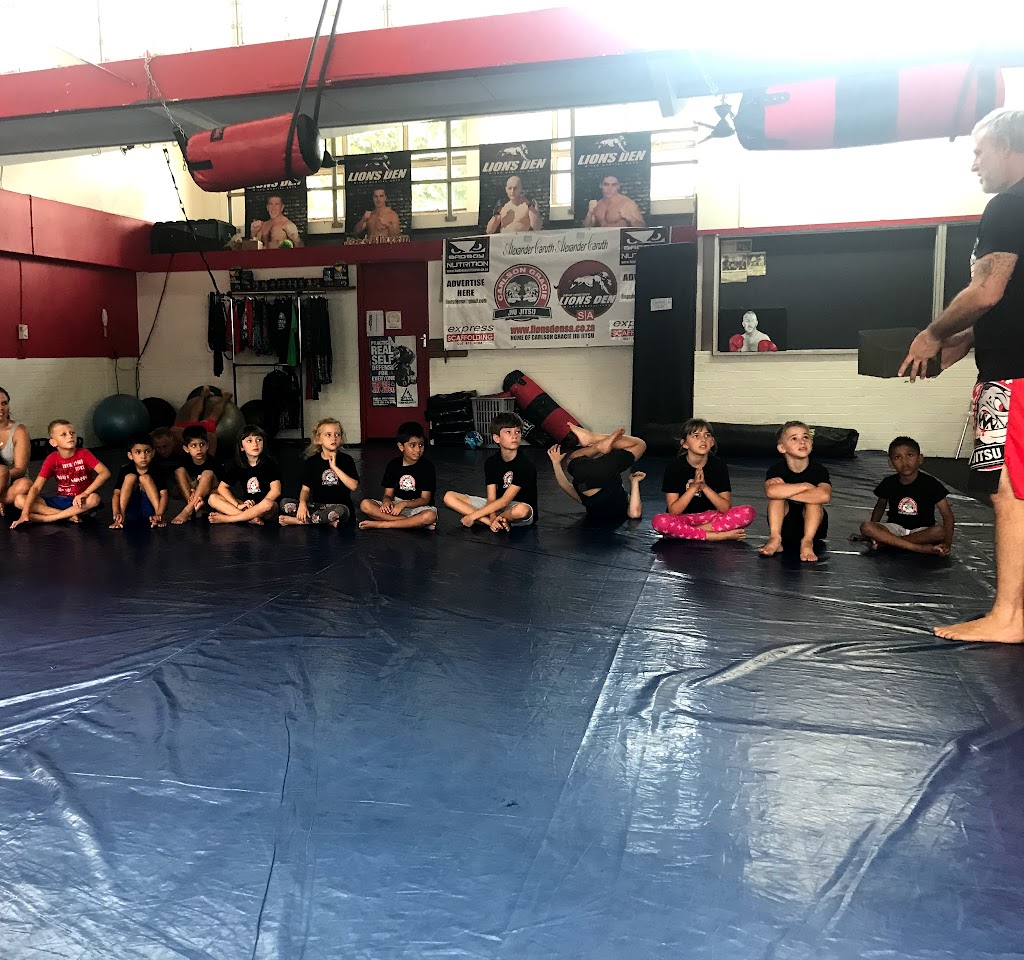
In Berea, Kwa-Zulu Natal, Jujitsu schools typically provide a well-rounded programme designed to develop practical self-defence skills, physical fitness, discipline and confidence. The offerings are geared towards various ages and experience levels, ensuring that beginners can start safely while more experienced students can refine technique and conditioning. Classes are usually held in dedicated training spaces that prioritise clear floor layouts, safe flooring, and visible coaching guidance.
Most centres organise a structured timetable that includes a mix of foundational instruction, technique drills and controlled sparring. Beginners are introduced to core principles such as posture, balance, movement, and the safety protocols essential to grappling arts. As students progress, instruction expands to include throws, pins, joint locks, escapes, and situational self-defence scenarios. The emphasis is on gradual progression, ensuring that students gain competence before attempting more advanced and higher-intensity drills.
Adult programmes commonly focus on practical self-defence, physical conditioning, and skill transfer to everyday situations. These classes blend technique with partner-based drills, providing a realistic sense of timing, distance, and leverage. For families, some Berea schools offer parallel sessions for adults and children, allowing households to train together while maintaining age-appropriate content and safety standards. Women-only or women-friendly classes are sometimes available, offering a supportive environment for beginners to build confidence and learn fundamental principles.
Kidz and junior programmes are a staple in many Berea Jujitsu schools. These sessions stress fitness, coordination and respect for instructors and peers. They typically use age-appropriate drills, colour-belt progression, and fun, engaging activities to maintain enthusiasm while embedding etiquette and safety rules. A clear belt- or colour-system helps younger students track progress and stay motivated as skills advance. Parents are usually invited to observe certain sessions or annual demonstrations to witness their child’s development and the practical applications of learned techniques.
In addition to regular classes, some schools offer specialised sessions that broaden the training spectrum. These can include:
- Self-defence seminars focusing on scenario-based responses to common street encounters
- Grip and balance drills to enhance control during grappling
- Fitness and conditioning classes tailored to martial arts requirements
- Technical workshops that review and refine specific techniques
- Private coaching or small-group coaching for targeted improvement
Practical considerations for prospective students include safety, equipment, and facility standards. Most Jujitsu schools in Berea provide a clean, well-lit training area with appropriately padded mats to minimise the risk of injury. Participants are generally required to wear appropriate training attire—comfortable sports gear and a gi or other gi-compatible uniform where applicable. Bare feet or the use of tabi or foot protection may be specified depending on the dojo’s rules. It is common to bring a water bottle and to follow a basic hygiene and personal conduct policy to ensure a respectful training environment.
Class structure often follows a warm-up period, technique instruction, partner practice, and a cool-down. Instructors oversee sessions with emphasis on safety, proper technique, and constructive feedback. Progress is typically recognised through belt or colour progression, with students encouraged to test techniques in controlled drill scenarios before attempting live sparring. While the exact timetable, pricing, and eligibility criteria vary between schools, the overall model in Berea centres on progressive skill development, practical self-defence awareness, and a supportive community that welcomes newcomers while challenging seasoned practitioners.