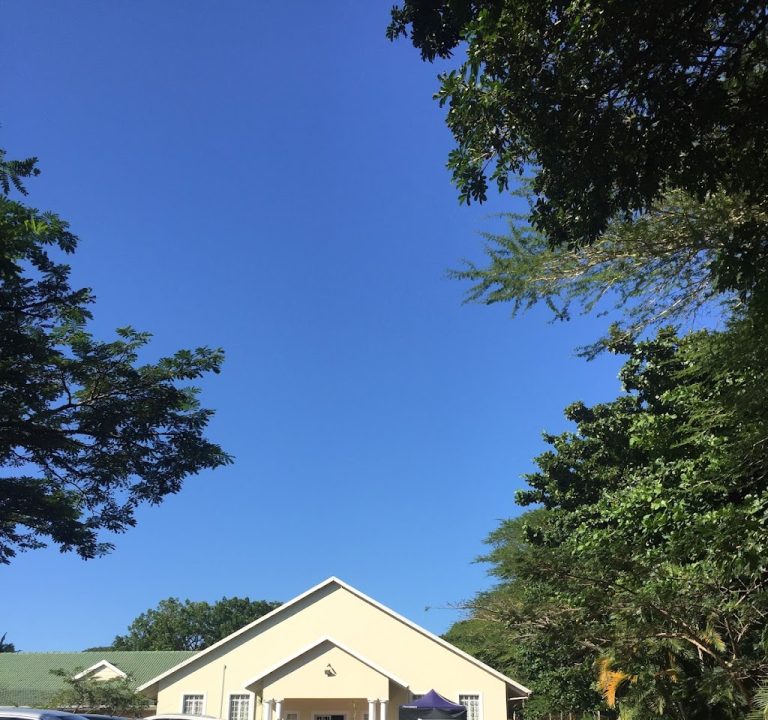
Little Treasures Preschool is a School establishment in Durban, KwaZulu-Natal, South Africa
Durban
KwaZulu-Natal
4300
South Africa
Sorry, no records were found. Please adjust your search criteria and try again.
Sorry, unable to load the Maps API.
School Services in Durban, KwaZulu-Natal
In Durban and the wider KwaZulu-Natal region, school services encompass a broad range of educational provisions designed to support learners from early childhood through adolescence. These services frequently include day schooling, after-school care, transportation arrangements, and specialised support programmes. They are delivered by a mix of public and independent schools, with varied approaches to curriculum delivery, assessment, and learner wellbeing. Across the city’s communities, parents and guardians can expect schools to prioritise safety, accessibility, and a supportive learning environment.
Curriculum and instruction are typically aligned with national or provincial guidelines, incorporating core subjects such as languages, mathematics, sciences, social studies, and the arts. Many institutions place emphasis on bilingual or multilingual instruction, recognising the linguistic diversity in the region. In addition to academic work, schools often provide extracurricular activities, including sport, music, drama, and clubs, which contribute to well-rounded development and opportunities for social engagement.
Support services commonly available within Durban schools include learning support, counselling, and programmes aimed at inclusive education. Learners experiencing difficulty may access remedial classes, differentiation within the classroom, or referrals to external specialists. Schools may also offer programmes for learners with special educational needs, subject to available resources and accreditation. Speak to administrative staff or safeguarding leads to understand the specific support pathways offered at a given school.
Practical considerations for prospective families include the following:
- Location and accessibility: Proximity to home or work, as well as available transportation options, can influence school choice. Safe pedestrian routes and reliable school buses or supported transport are common factors in Durban.
- Admission processes: Most schools require registration, documentation, and assessment, with timelines varying by institution. Some schools operate due to district guidelines, while others follow independent admission schedules.
- School culture and environment: The ethos of a school—ranging from disciplined and traditional to progressive and inclusive—affects daily routines, uniform requirements, and expectations regarding pupil behaviour.
- Facilities and resources: Class sizes, laboratories, libraries, sports facilities, and digital access can shape the learning experience. Public schools may have bands of resources aligned to provincial funding, while independent schools often offer enhanced facilities.
- Safety and security: Durban schools commonly implement visitor controls, secure fencing, monitored entrances, and supervision during peak times to support a safe school day.
- Communication and engagement: Regular reporting, parent–teacher interactions, and community events help keep families informed about progress and school activities.
Typical daily operations involve punctual morning start times, structured timetables, and supervision outside classroom hours. The teaching staff aims to deliver coherent progressions across grades, with assessments that reflect both attainment and growth. In many Durban schools, a strong emphasis is placed on developing literacy and numeracy foundations in the early years, followed by increasingly specialised study in higher grades. Assessment methods may include formal examinations, coursework, practical demonstrations, and continuous assessment, accommodating diverse learner needs while meeting provincial standards.
For families exploring school services in Durban, KwaZulu-Natal, it is advisable to visit shortlisted institutions, observe class sessions where possible, and speak with administrative personnel about specific programmes. Understanding transport arrangements, after-school care offerings, and the range of extra-curricular activities can help in making an informed choice that aligns with the learner’s academic goals and personal development. While the particulars of each school differ, the overall objective remains to provide a structured, protective, and engaging environment where learners can achieve their full potential within the South African educational framework.