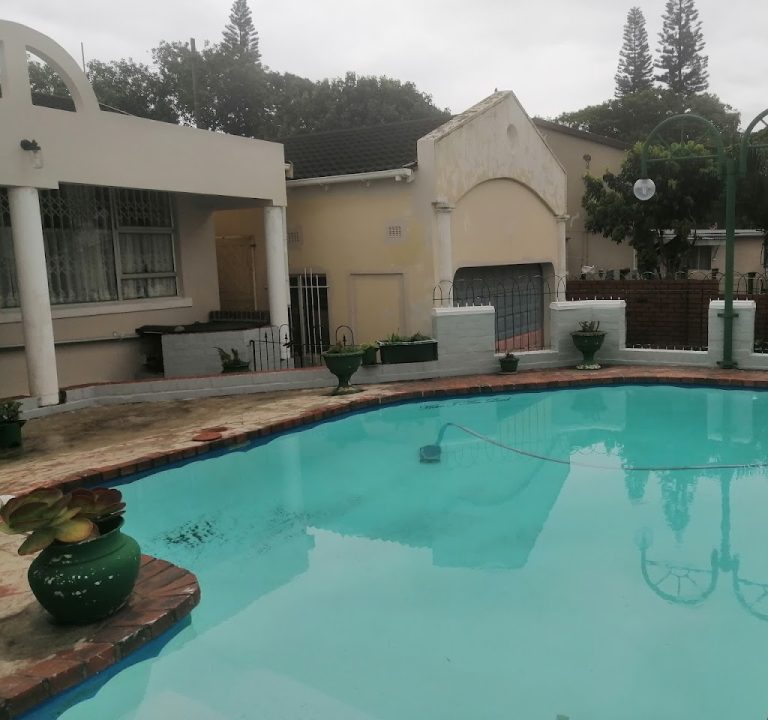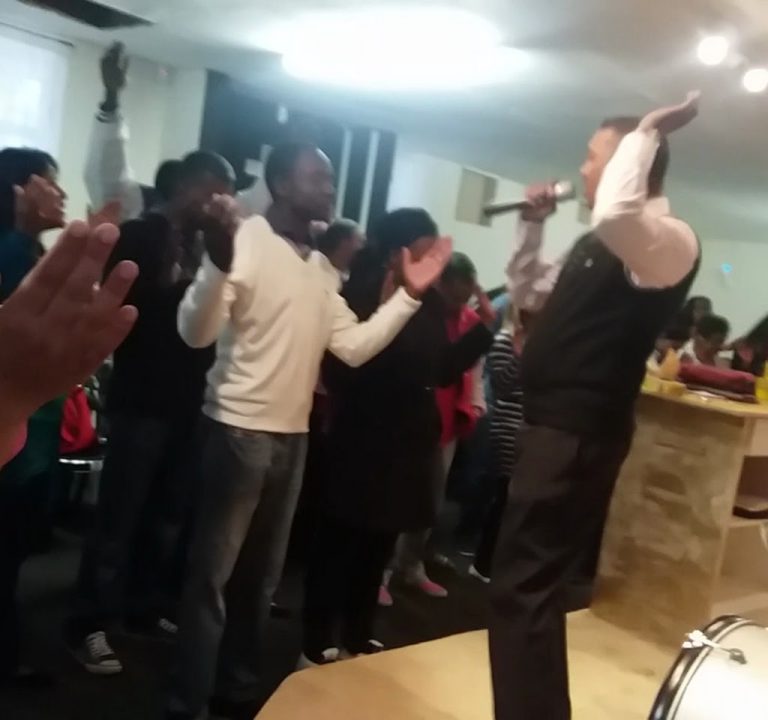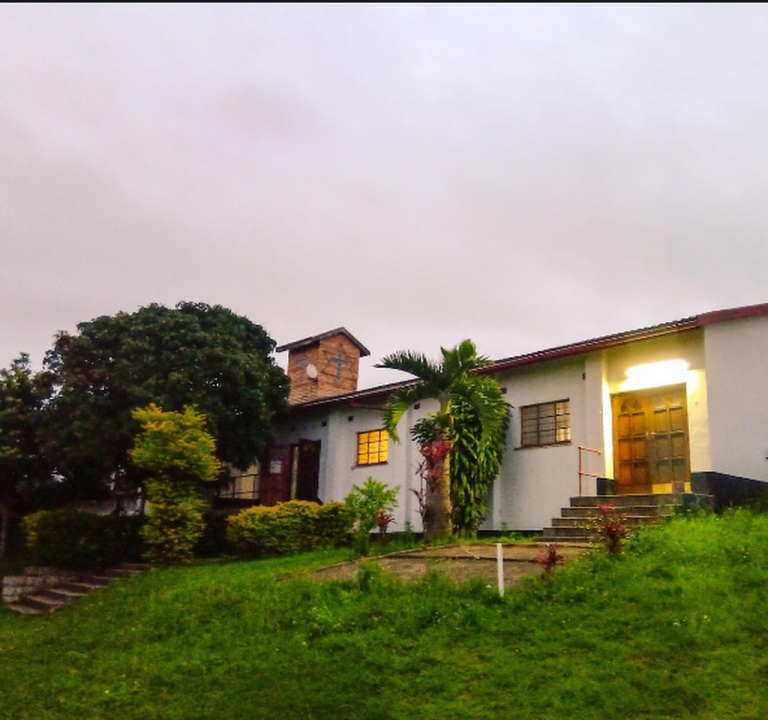
Living Faith Ministries is a Church establishment in Phoenix, KwaZulu-Natal, South Africa
Phoenix
KwaZulu-Natal
4068
South Africa
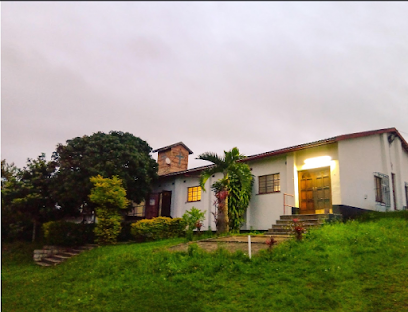
Sorry, no records were found. Please adjust your search criteria and try again.
Sorry, unable to load the Maps API.
Church services in Phoenix, KwaZulu-Natal
Phoenix, a town in KwaZulu-Natal, hosts a diverse range of church services that reflect the region’s cultural and spiritual interests. In this community, congregations commonly gather in purpose‑built chapels, shared church halls, or other suitable venues, with regular programmes designed to support both worship and social connection. The atmosphere at these services tends to be warm and welcoming, mirroring the values of hospitality that characterise many local faith communities.
Most churches in Phoenix offer a main Sunday service that blends music, prayer, Bible readings, and a sermon. The style can vary from contemporary praise and worship to more traditional liturgy, but the underlying aim is to provide a space for reflection, encouragement, and fellowship. In addition to Sunday worship, many congregations run midweek gatherings that include prayer meetings, Bible study groups, and opportunities for personal mentoring or discussion. Language within services often reflects the community, with elements delivered in English and isiZulu, and occasionally other languages depending on the church context.
Families and individuals can expect a range of additional activities that extend the church’s reach beyond Sunday mornings. Youth programmes and children’s ministries are common, offering age‑appropriate teaching, crafts, and activities that align with the day’s theme. Outreach and community support are frequently emphasised, with some churches organising food parcels, clothing drives, or practical assistances for those in need. Where weddings, baptisms, or funerals are held, the services are typically led by ordained leaders or recognised ministers who guide the ceremonies with care and respect for local customs and traditions.
In terms of structure, church services often begin with a time of welcome and opening prayers, followed by songs or hymns led by a musician or choir. Readings from Scripture may be interwoven with congregational responses, and a sermon or teaching session usually forms the central part of the gathering. Communion may be observed according to church denomination and practice, and various opportunities for personal prayer are typically offered either during the service or afterwards in a more quiet setting. The aim is to cultivate a sense of community, spiritual nourishment, and practical encouragement for daily life.
Practical considerations for visitors and residents include several common elements. Punctuality is valued, and doors may open ahead of the service to accommodate worshippers, visitors, and families. Dress tends to be modest and respectful, though contemporary styles are often seen; some congregations maintain a more formal dress code, while others adopt a casual approach. Parking is usually available on or near church premises, with some venues offering overflow spaces for larger gatherings. Accessibility varies, but many churches make efforts to accommodate elderly worshippers and people with mobility challenges through ramps or seating arrangements.
Contributions are generally voluntary offerings rather than obligatory, with collection plates or baskets circulating during the service. While the exact details differ between denominations, the practice of giving is typically presented as a voluntary act of worship and support for the church’s mission and community programmes. Visitors may be invited to learn about upcoming events, study groups, and ways to engage with the church beyond weekly gatherings.
- Typical service components: welcome, worship music, Scripture readings, sermon or teaching, prayer, and communal blessing or dismissal.
- Common activities: Bible study groups, youth and children’s programmes, prayer meetings, and seasonal or outreach events.
- Practical notes: language diversity, modest dress expectations, parking considerations, and a culture of respectful participation.