no-image
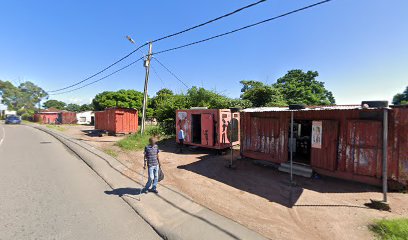
Luganda Clinic is a Medical clinic establishment in eThekwini, KwaZulu-Natal, South Africa
eThekwini
KwaZulu-Natal
3609
South Africa

no-image
Sorry, no records were found. Please adjust your search criteria and try again.
Sorry, unable to load the Maps API.
Medical clinic services in eThekwini, KwaZulu-Natal
In eThekwini, KwaZulu-Natal, medical clinics operate as a mix of private and public facilities that aim to provide accessible primary healthcare to residents and visitors. Clinics commonly offer an integrated approach to health, combining routine consultations with essential diagnostic and preventive services. Patients may attend for urgent care, routine check-ups, or ongoing management of chronic conditions, with teams that often include doctors, nurses, and allied health professionals working in collaboration.
Typical visits begin with a reception and triage process to determine the urgency of care and the appropriate next steps. In many clinics, patients will be asked to provide basic personal and medical information, including any existing health records. Where records are digital, staff may access historical data to inform current decisions. In other settings, paper records or a combination of formats might be used. The aim is to ensure timely, safe care while maintaining patient confidentiality and privacy.
Medical clinic services commonly encompass a broad range of general practice and family medicine, including the assessment and treatment of common illnesses, injuries, and minor emergencies. Routine physical examinations, health education, and preventive services form a core part of care. Vaccinations for adults and children are frequently available, aligning with national immunisation programmes and local public health campaigns. Many clinics also provide screening tests for blood pressure, glucose, cholesterol, BMI, and other risk factors to support early detection of health problems.
Chronic disease management is a feature in clinics serving established communities in eThekwini. Care plans for conditions such as hypertension, diabetes, and respiratory diseases are commonly documented, with regular follow-ups to monitor progress, adjust medications, and reinforce lifestyle advice. In some facilities, pharmacists or clinicians collaborate to review medications, check for interactions, and provide patient education on adherence and self-management strategies.
Women’s health services and paediatric care are frequently available, including routine gynaecological consultations, antenatal and postnatal support, family planning guidance, and growth monitoring for children. Immunisation schedules for infants and children are emphasised, with clinics coordinating with broader public health efforts to improve vaccination uptake in the community.
Additional services may include mental health screening and referral pathways, minor surgical procedures, wound care, and occupational health assessments. Dentistry, audiology, or physiotherapy are typically found in nearby specialist clinics or integrated health centres rather than in every general medical clinic. When available, on-site diagnostic testing such as point‑of‑care blood work, urine tests, and basic imaging can expedite clinical decision-making, though the range of tests varies by clinic.
- Walk-in and urgent care options: Several clinics offer appointments on the day of presentation for non-life-threatening concerns, while others operate strictly by appointment; patients should check local guidance and opening hours.
- Payment and access: Public facilities may be funded through government programmes, with fee-based services in private settings. Private clinics typically accept private medical insurance, cash, or card payments, and may provide receipts suitable for insurance claims.
- Record-keeping and privacy: Health information is stored in patient records, with adherence to privacy laws and professional standards. Some clinics provide patient portals or correspondence to share results and care plans where available.
- Practical considerations: Access to clinics in eThekwini often depends on traffic, public transport options, and local parking availability. Multilingual staff may assist in English, isiZulu, and other local languages to facilitate communication.
Overall, medical clinic services in eThekwini strive to deliver accessible, patient-centred care that covers everyday health needs while supporting preventive medicine and timely interventions. The experience emphasises organised triage, clear communication about treatment options, and a collaborative approach to ongoing health maintenance, set against the backdrop of KwaZulu-Natal’s diverse communities.