no-image
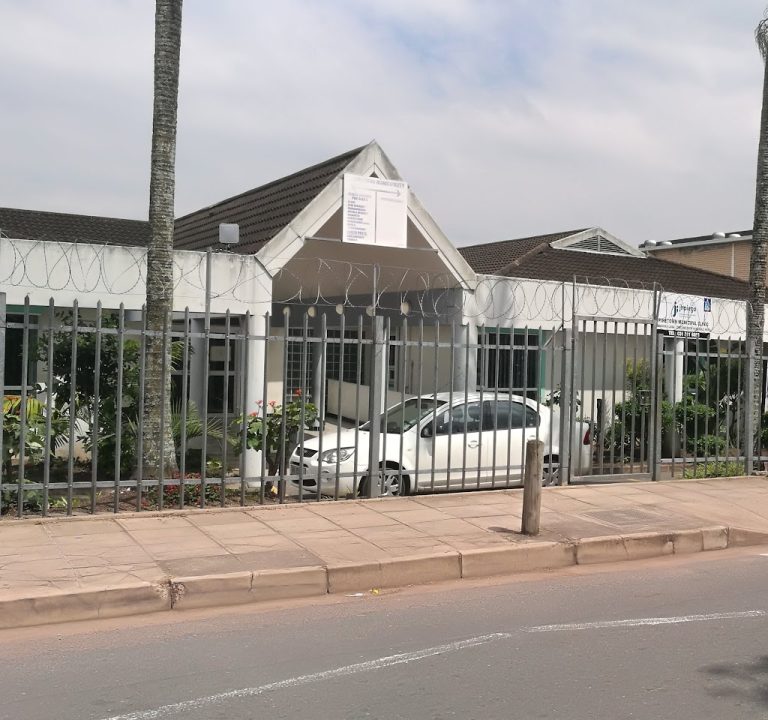
Lushaba Funeral Services is a Cremation service establishment in Durban, KwaZulu-Natal, South Africa
Durban
KwaZulu-Natal
3610
South Africa

no-image
Sorry, no records were found. Please adjust your search criteria and try again.
Sorry, unable to load the Maps API.
Cremation Services in Durban, KwaZulu-Natal: A Practical Guide
Durban, a coastal city in KwaZulu-Natal, offers a range of cremation services designed to meet diverse cultural, religious, and personal preferences. In many cases, cremation is chosen as an economical, efficient, and respectful option for organising a personalised farewell. Service providers in and around Durban typically collaborate with local mortuaries, cemeteries, and religious organisations to ensure smooth and considerate arrangements for families during a difficult time.
The types of cremation arrangements commonly encountered include direct cremation, cremation with a memorial service, and cremation followed by interment or scattering of ashes. Direct cremation involves the transfer of the deceased from a place of death to a crematorium with a minimal service, while cremation with a memorial service allows relatives to gather for a tribute before or after the cremation. In Durban, as elsewhere, there is usually flexibility to tailor the service to reflect individual beliefs, cultural practices, and personal preferences, subject to the policies of the chosen crematorium and any legal requirements.
Practical considerations form an important part of planning. The process generally begins with the completion of necessary paperwork, including death certification and any jurisdictional authorisations required by South African law. Medical certificates, cause of death documentation, and identification procedures are standard elements of the administrative side of cremation. Families may choose to engage the services of a funeral director to manage these tasks or deal directly with a crematorium and mortuary facility. Communication about preferred timings, the type of service, and the disposition of remains helps ensure that arrangements align with expectations and cultural norms.
A typical cremation sequence includes the preparation and identification of the deceased, transportation to the crematorium, the cremation itself, and a follow-up period for the collection or disposition of ashes. Many Durban facilities offer private viewing rooms or quiet spaces for family members prior to the cremation, and they may provide on-site chapels or designated areas for conducting a memorial event. After the cremation, ashes can be returned in a suitable container or urn, and options for interment, scattering, or keeping ashes with family members are commonly discussed. Some services also present bereavement support resources or guidance on legal matters related to the transfer of ashes, ownership of remains, and memorialisation.
Cremation in Durban often emphasises flexibility and personalisation. Families may opt for symbolic elements such as photographs, music, readings, or customised digital tributes as part of a memorial service. Crematoriums and associated providers may offer a selection of urns, keepsakes, and memorial jewellery, though specific products and pricing vary between establishments. It is prudent to inquire about the permitted dimensions for urns and any environmental or regulatory considerations that could influence the choice of container or placement of the ashes.
From a logistical perspective, climate and geography can affect arrangements in KwaZulu-Natal. Durban’s humid subtropical climate may influence choices around urn materials and presentation during warmer months. Transportation logistics, timing constraints, and the potential need for storage or interim arrangements should be discussed in advance to avoid last-minute complications.
In summary, cremation services in Durban typically balance respect, practicality, and personal preference. Prospective clients are encouraged to engage with licensed facilities to understand the available options, the regulatory framework, and the process from initial notification through to the final disposition of ashes. By considering cultural practices, administrative requirements, and individual wishes, one can navigate the Durban cremation pathway with clarity and sensitivity.