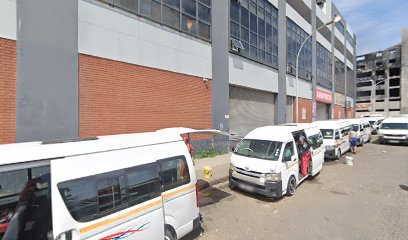
Magabeni Township Taxi Rank – Thuthukani Mathuli Taxi Association is a Taxi stand establishment in Durban, KwaZulu-Natal, South Africa
Durban
KwaZulu-Natal
4001
South Africa
Sorry, no records were found. Please adjust your search criteria and try again.
Sorry, unable to load the Maps API.
Taxi stand services in Durban, KwaZulu-Natal
Durban, a coastal city in KwaZulu-Natal, relies on a network of taxi stands and ranks to move residents and visitors efficiently around the metropolitan area. These stands typically accommodate a mix of locally operated minibus taxis and private-hire services that form a practical, widely-used transport option for everyday trips, including commutes, shopping trips, and access to beaches, markets, and business districts. The system emphasises shared rides, convenience, and rapid point-to-point travel, often serving as a complement to formal bus routes and rail links.
In practice, taxi stand services usually operate from designated ranks where multiple taxi associations or independent operators queue and load passengers. Ranks are commonly located near central business districts, major transport hubs, shopping centres, and tourist areas. Vehicles may depart in response to passenger demand, with drivers bearing in mind nearby stands, route familiarity, and prevailing traffic conditions. While some journeys may be pre-arranged or flagged at a stand, many trips arise from spontaneous hailing or short waits for a nearby vehicle heading toward the desired area.
Customers can expect a practical, no-frills travel experience. Fares are typically calculated by metre or by negotiated fixed rates for specific routes, particularly in urban corridors or during peak periods. Cash is widely accepted, with some operators offering mobile payment options or informal digital prompts. Language and local knowledge play a key role, as drivers are often familiar with short-cut routes, one-way systems, and common traffic bottlenecks that characterise Durban’s busy streets and coastal routes.
From a safety perspective, the organised stand system aims to provide a predictable exchange point for passengers and drivers. However, travellers should remain aware of surroundings, especially when navigating crowded ranks or late at night. It is prudent to verify the vehicle’s identification, ensure a seatbelt is worn, and avoid sharing personal belongings with unfamiliar passengers or drivers. In busy areas, keeping valuables secure and being mindful of pocket-picking or distraction scams is advisable. While many trips are routine, customers should be prepared for occasional delays caused by traffic, weather, or high demand during events and holidays.
Practical considerations for using taxi stand services in Durban include accessibility, route planning, and time management. Some stands are closer to tourist attractions, while others serve corporate districts or residential areas. For travellers with luggage, it is worth noting that some vehicles in the minibus taxi category may have limited space, so planning for extra bags or larger groups is sensible. In addition, a degree of negotiating flexibility may be expected for certain longer trips or routes that traverse congested corridors. It is also common for passengers to be dropped off or picked up along major thoroughfares, depending on traffic and stand policies.
For visitors, understanding the local framework helps in coordinating comfortable and economical travel. Familiarising oneself with the general location of key stands, such as those near central Durban, the beachfront, or transport hubs, can reduce wait times. While direct, door-to-door services are less typical than in private hire markets, taxi stands provide a reliable means of moving across the city without the need for car rental. In all cases, travellers should respect local customs, lighting, and queueing norms at stands, ensuring a smooth and straightforward experience when exploring Durban and its surrounds.
In summary, taxi stand services in Durban offer a practical transport option characterised by designated loading points, shared rides, and straightforward fare structures. While experiences vary by stand and operator, the system supports efficient urban travel for residents and visitors alike, with scope for flexibility, local knowledge, and practical considerations that reflect Durban’s distinctive urban rhythm.