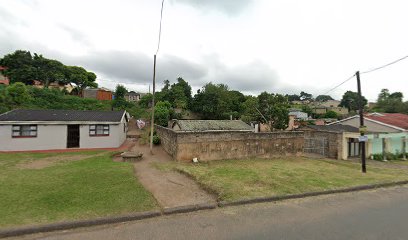
Makhasane(Pty) LTD is a Building designer establishment in Amanzimtoti, Kwa-Zulu Natal, South Africa
Amanzimtoti
Kwa-Zulu Natal
kwaMakhutha Twp, Amanzimtoti
South Africa
Sorry, no records were found. Please adjust your search criteria and try again.
Sorry, unable to load the Maps API.
Building designer services in Amanzimtoti, Kwa-Zulu Natal
In Amanzimtoti, a popular coastal town in Kwa-Zulu Natal, building designer services focus on translating client brief into practical, aesthetically coherent structures suited to local conditions. These professionals typically work with homeowners, developers, and small business operators to create functional spaces that comply with regional design norms and regulatory requirements. The emphasis is on thoughtful layouts, energy efficiency, and materials that are appropriate for the coastal climate and subtropical environment.
A typical building designer in Amanzimtoti offers an initial consultation to understand the project scope, site constraints, budget considerations, and desired outcomes. This early stage often involves assessing land contours, access, drainage, and potential views, as well as any existing structures that may need renovation or integration. From there, a designer develops concept sketches or digital models to communicate ideas clearly, enabling clients to visualise scale, proportions, and the overall character of the proposed building.
The design process usually progresses through several well-defined stages. These commonly include:
- Concept and schematic design to establish form, spatial relationships, and massing.
- Schematic material and finishes selection, with attention to durability and maintenance in a coastal climate.
- Preparation of detailed plans and sections that illustrate room layouts, fenestration, and service routes.
- Compliance with local building regulations and national standards, including any relevant planning approvals.
- Preparation of tender or construction documentation to assist in selecting builders and obtaining accurate cost estimates.
- Construction management or construction administration to monitor progress, address site queries, and ensure design intent is realised on site.
Amanzimtoti’s build environment presents particular considerations. Proximity to the coast often means humidity, corrosion potential, and strong sun, all of which influence material choices, window sizing, and shading strategies. Designers may prioritise energy efficiency through passive cooling, insulation, and appropriate ventilation, alongside durable, low-maintenance finishes suitable for tropical conditions. Terrain and drainage are also important, ensuring that developments avoid flood risk and integrate with the landscape in a visually cohesive manner.
Clients can expect a collaborative approach, with ongoing communication and documentation throughout the project. Drawing sets, elevations, and schedules are typically produced in a clear and organised format, enabling builders to interpret the design accurately. While building designers do not usually manage every regulatory approval themselves, they are familiar with the process and can guide clients through required submissions to municipal authorities and, where applicable, environmental agencies.
Practical considerations for engaging a building designer in Amanzimtoti include understanding local planning constraints, site access, and construction logistics. Clients should consider the timing of approvals relative to climate and seasonal patterns in Kwa-Zulu Natal, which can influence project scheduling. A suitable designer will also provide measured site records, develop realistic timelines, and propose a practical procurement plan that reflects the project budget and expected lead times for materials and labour.
In summary, building designer services in Amanzimtoti blend local knowledge with design expertise to realise spaces that are aesthetically pleasing, functionally sound, and resilient to coastal conditions. The relationship typically evolves from concept to construction, guided by clear documentation, regulatory awareness, and a pragmatic approach to budgeting and scheduling.