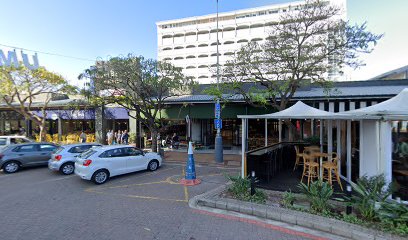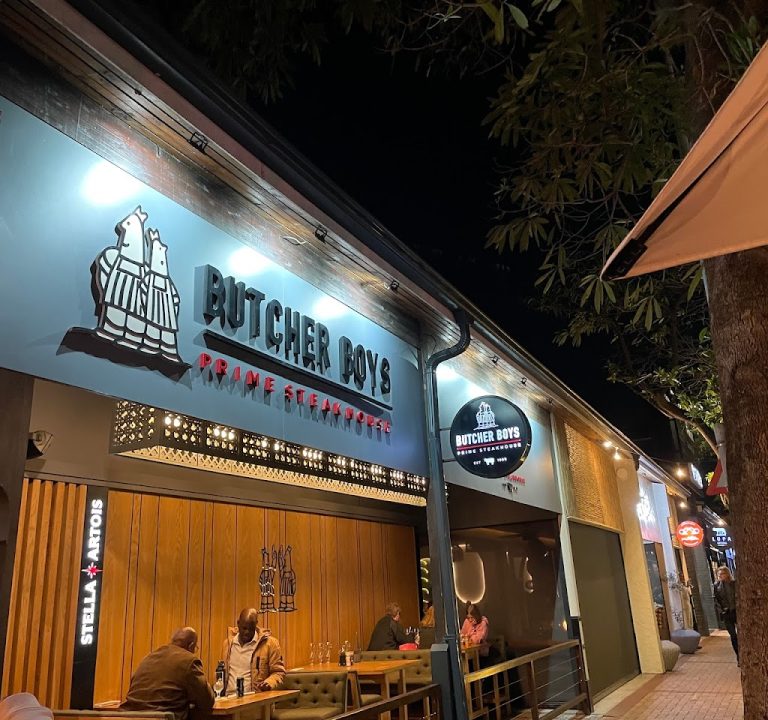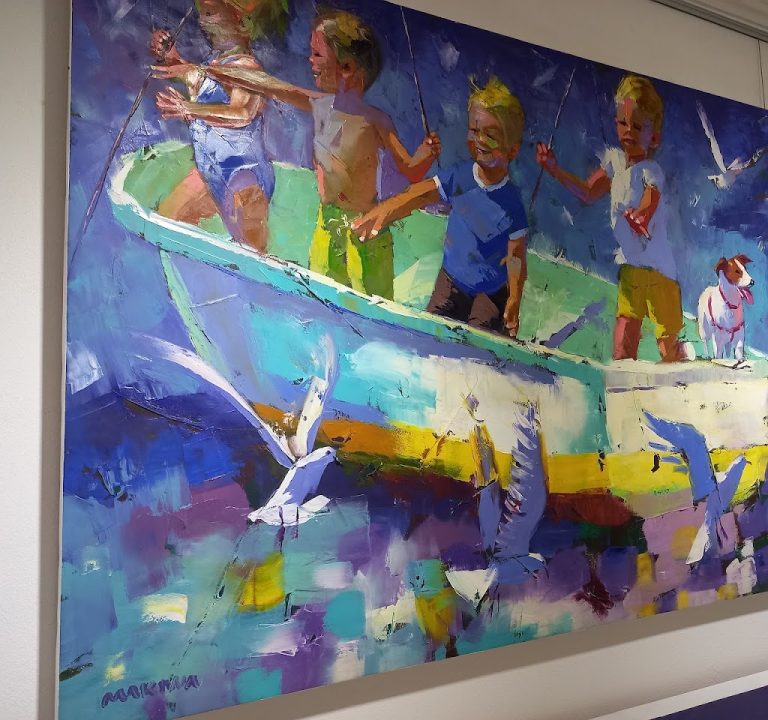
Makiwa Gallery is a Art gallery establishment in Durban, KwaZulu-Natal, South Africa
Makiwa Gallery: an independent view of Durban’s contemporary African art offering
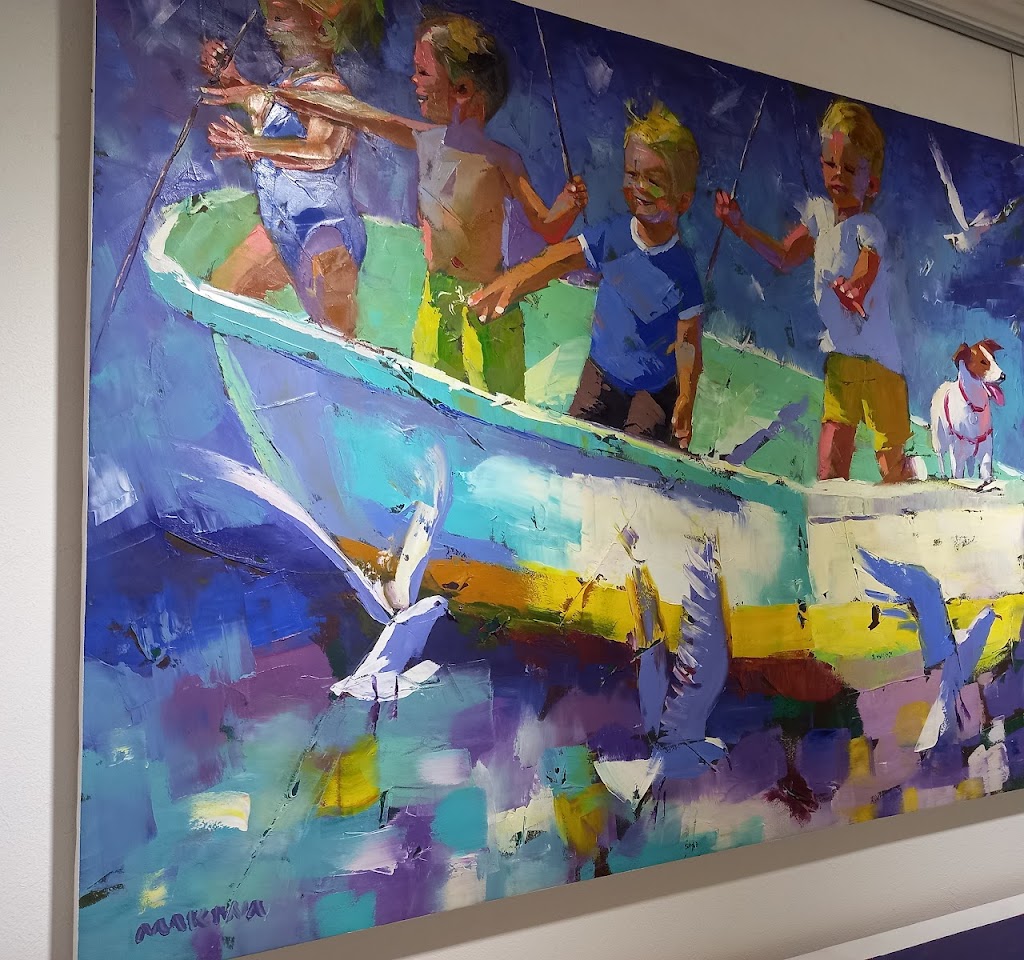
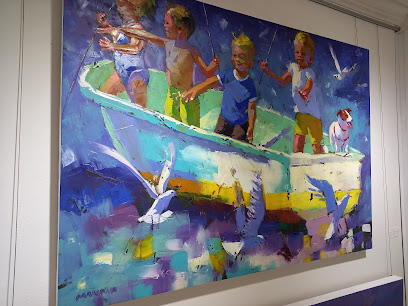
Makiwa Gallery operates as a commercial art space based in Durban, KwaZulu-Natal, South Africa, showcasing a curated selection of contemporary works primarily in oil and acrylic on canvas. The site presents a focus on bold, expressive pieces that emphasise colour, movement and the vitality of African landscapes and figures. The artwork range includes large-scale canvases and a variety of contemporary subjects, with a distinct emphasis on impressionistic and vivid visual storytelling that is well-suited to private collectors and corporate displays seeking statement pieces.
From the available online catalog, the gallery presents periodic availability of new artworks under a clearly organised “Latest Artworks” section. Individual pieces are displayed with full title, medium, dimensions and price, allowing potential buyers to evaluate scale and value at a glance. Examples such as Dominion (120x80 cm, oil on canvas) suggest a pattern of dramatic, narrative scenes in rich, saturated hues, where natural forces and wildlife themes are rendered with strong brushwork and energy. The gallery’s product pages also provide a description aimed at conveying the mood and thematic intent of each work, which helps visitors understand how a piece might function within a physical space such as a living room, boardroom, or gallery wall.
Customer experience on the site is supplemented by practical purchasing features. The shop interface communicates shipping logistics, including a policy indicating 100% free shipping in certain instances, and shipping cost calculations at checkout. Although detailed terms are not exhaustively listed on every page, the site demonstrates a commitment to transparent transaction flow through cart totals, regional currency (South African Rand), and an integrated cart and account system. The presence of social sharing options on product pages (for Facebook, Twitter, Pinterest and email) indicates an intention to support word-of-mouth discovery and the ability for buyers to share inspiring artworks with peers and colleagues.
In terms of product range and typical job types, the gallery appears to focus on original artworks rather than reproductions, with frequent references to “Oil On Canvas” works and large-format canvases. The catalog examples—such as Still Laughing (80x80 cm) and Solace (55x55 cm)—illustrate a consistent emphasis on intimate as well as monumental canvas sizes. The works seem suitable for coastal or urban interiors that benefit from vibrant focal points, and they may appeal to collectors who favour African wildlife motifs, dynamic landscape scenes and expressive portraiture.
Despite the limited publicly available detail about services beyond the online shop, the gallery’s structure implies a straightforward customer journey: browse the collection, view artwork details and pricing, add an item to the cart, and complete the checkout process with shipping options active at purchase. The site’s “Need help?” link on individual product pages suggests access to guidance or additional information if aid is required during the decision process. The catalogue format also signals potential handling of commissions or customised requests, should the gallery offer such options, though explicit confirmation is not visible from the available pages alone.
Practical tips for prospective visitors and buyers include considering the scale of selected works in relation to the intended display space, given the prominent, large-format canvases showcased. When planning a viewing or purchase, it may be prudent to check the latest artworks section regularly, as new pieces appear to rotate with some frequency. For international or remote buyers, the free shipping policy referenced on the site is a notable benefit, though terms may vary by destination and order value; verification at checkout is advisable. Given the online emphasis, ensuring secure payment methods and confirming delivery times and insurance for high-value pieces are sensible steps for prudent collecting.
Location-wise, the gallery is presented as serving clients across South Africa, with Durban underpinning its artistic context. Visitors should note that business hours are not listed on the provided pages, and potential buyers may rely on standard e-commerce practices or contact the gallery for confirmation of viewing appointments, events or exhibitions. The emphasis remains on high-impact original works that can energise interiors and collections, delivered through a streamlined online purchasing experience suitable for both new and seasoned art buyers in the KwaZulu-Natal region and beyond.
Durban
KwaZulu-Natal
Umhlanga, Durban
South Africa
Sorry, no records were found. Please adjust your search criteria and try again.
Sorry, unable to load the Maps API.
Art gallery services in Durban, KwaZulu-Natal
Durban, a coastal city in KwaZulu-Natal, hosts a vibrant array of art galleries that provide a range of services to artists, collectors, institutions and casual visitors. Galleries in this region commonly blend exhibition programming with commercial activities, offering environments where contemporary and established works can be viewed, discussed and acquired within a culturally rich setting shaped by the local climate, communities and heritage.
Typical services include curatorial planning and exhibition development, where curators select works, arrange their display, and shape themes that resonate with Durban’s diverse audiences. Exhibition planning often covers project timelines, installation design, lighting, wall preparation, and the coordination of accompanying materials such as wall labels, catalogues and press packs. Some venues run rotating exhibitions, while others host long-term displays that showcase a stable collection or selection of contemporary pieces.
Sales and commissioning are central to most art galleries. Visitors can expect to encounter a mix of traditional paintings and drawings, sculpture, photography, and mixed-media works. Galleries may offer guidance on collecting, provide provenance information, and facilitate commissions or site-specific commissions where appropriate. While price points vary, it is common for staff to describe a work’s edition status, framing, and condition as part of the purchasing discussion, with customer privacy and transaction security prioritised in line with local regulations.
Framing, conservation and presentation services are frequently available in-house or via trusted partners. Framing includes advice on matting, glass type, and mounting to suit the medium and the piece, while conservation focuses on preventative care, climate control advice, and handling practices to preserve works over time. Galleries may also provide restoration referrals for works requiring more in-depth treatment, ensuring that items are cared for by specialists when necessary.
Art handling and installation are practical concerns for Durban venues, particularly given varying indoor and outdoor spaces. Professional installers ensure that works are securely fastened, appropriately lit, and arranged to optimise viewer experience. For larger installations or sculpture, logistics can involve specialised rigging, crate construction, and insurance documentation to cover transit and on-site handling.
Educational and public engagement activities form an important facet of Durban galleries. Public talks, artist introductions, critique sessions, and school programmes help deepen understanding of the works on display. These events also serve to connect artists with audiences, foster dialogue, and widen participation in the arts across the KwaZulu-Natal region.
Accessibility and practical considerations play a significant role in the visitor experience. Galleries may vary in hours, accessibility features, and parking arrangements, so informants often advise potential visitors to check current schedules. Security is a priority, with measures typically including alarm systems, monitored spaces, and insured artworks during exhibitions and transit. Local galleries also navigate insurance provisions, VAT considerations, and payment methods suitable for both domestic and international buyers.
Location and community connections influence the character of Durban’s galleries. Areas with neighbouring cultural venues or creative hubs can create a walkable circuit for enthusiasts, while some galleries reside in purpose-built spaces designed to optimise light and acoustics for exhibitions. Prospective visitors and collectors should anticipate a balance between commercially oriented retail services and curatorial ambition, with each gallery offering a distinct atmosphere, scope, and approach to showcasing South Africa’s dynamic art scene.
In summary, Durban’s art gallery services cover a broad spectrum from curatorial concept and exhibition management to sales, framing, conservation, and public engagement. The practical realities of installation, logistics, and accessibility shape the day-to-day operations, while the ethos of each venue contributes to the ongoing dialogue surrounding KwaZulu-Natal’s rich artistic landscape.