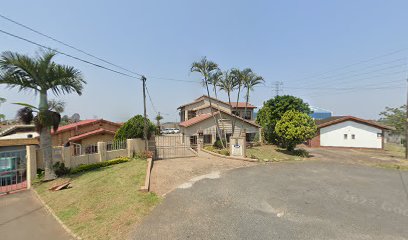
Malvern Primary School is a Primary school establishment in Chatsworth, KwaZulu-Natal, South Africa
Chatsworth
KwaZulu-Natal
4093
South Africa
Sorry, no records were found. Please adjust your search criteria and try again.
Sorry, unable to load the Maps API.
Primary School Services in Chatsworth, KwaZulu-Natal
In Chatsworth, KwaZulu-Natal, primary schools typically provide a broad range of foundational educational services designed to support young learners through the first stages of formal schooling. Public and independent establishments may share similar core elements, though the emphasis and resources can vary depending on the school’s size, location, and governance. The overall aim is to foster literacy, numeracy, social development, and critical thinking in a safe, structured environment.
Core academic programmes usually follow the South African national curriculum for Grades R to 7, with assessment practices that monitor progress and identify learners who may require additional support. Instruction is commonly delivered in English, with additional language instruction in isiZulu or other local languages as appropriate. Schools may offer bilingual or language-improvement programmes to assist pupils who are learning in a language that is not their home language. Regular literacy and numeracy blocks are complemented by integrated subjects such as science, social studies, arts and physical education.
Beyond academics, primary schools in Chatsworth frequently provide a supportive framework for social and emotional development. This includes routines that encourage respect, discipline, and collaboration, as well as programmes aimed at developing resilience and responsible citizenship. Schools often emphasise inclusive education, striving to accommodate diverse learning needs through classroom adaptations, support staff, and targeted interventions where possible.
Typical services and facilities may include:
- Structured daily schedules with start and end times, play breaks, and supervised facilities during morning and afternoon periods.
- School libraries or resource centres with age-appropriate books and multimedia materials.
- Access to information technology and digital learning tools where available, alongside traditional teaching methods.
- Health and safety measures, including school nurse support, safe drop-off and collection arrangements, and secure premises.
- Meal programmes or access to school-provided lunches and snacks where offered by the school or community partnerships.
- Extracurricular activities such as sports, arts, music, and clubs designed to broaden skills and interests.
- Aftercare or extended day provisions to assist working families, subject to availability and capacity.
- Transport arrangements or guidance on safe commuting options, including proximity to public transport or special school buses.
Admissions and school culture vary, but most Chatsworth primary schools follow formal enrolment processes overseen by the Department of Education or school governing bodies. Prospective families can expect information about registration timelines, documents required, and, where relevant, fee structures. Open days or information evenings are common ways to gain insight into school environments, ethos, and day-to-day operations.
Practical considerations for families include considering commute times, safe routes for children, and the balance between academic expectations and personal development. Parents and guardians are encouraged to engage with school communication channels, attend parent-teacher meetings, and participate in school life where possible. Community relationships, including local sponsorships, donation drives, and partnerships with aftercare providers or sports clubs, can enhance the school experience without implying any formal service guarantees.
Overall, primary school services in Chatsworth aim to deliver a stable, nurturing setting that supports learning and growth from the early years through to the upper primary level. While offerings differ from one institution to another, the common framework emphasises foundational education, child well-being, and community engagement within the KwaZulu-Natal context.