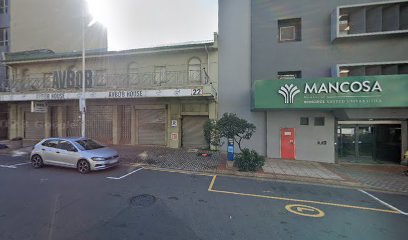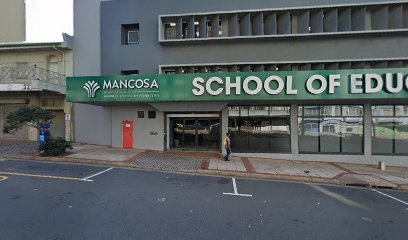
MANCOSA Career Centre is a Educational institution establishment in Durban, KwaZulu-Natal, South Africa
MANCOSA Career Centre, Durban – Educational Institution Services and Customer Experience
The MANCOSA Career Centre sits within an educational institution serving Durban, KwaZulu-Natal, and broader South African audiences. Visitors encounter a patient, information-rich presence that situates career development within the wider offering of accredited educational programmes and professional development opportunities. The site communicates a steadfast emphasis on accessibility to quality education, with clarity about programme routes, corporate training partnerships, and contemporary learning pathways designed to support career progression and workforce capability.
Core services are presented through a combination of academic study options and practical professional development. The organisation markets itself as an accredited provider with a portfolio that spans self-paced, online delivery and traditional study formats. This positions the Career Centre as a hub for learners seeking flexible study and recognised qualifications, as well as organisations pursuing workforce development through short learning programmes and leadership development offerings. The corporate training solution is highlighted as a path for businesses aiming to empower teams, indicating a B-BBEE Level 1 accredited partner status that underpins collaborations with employers seeking aligned, higher-education-inspired training.
For individual students and prospective learners, the centre provides entry points to study through programme listings, enquiries, and application portals. The homepage and related sections emphasise the accessibility of information and the ability to discover, enquire about, and apply for programmes online. While explicit details on every service are not itemised in the available content, the site communicates a straightforward user journey: explore relevant programmes, initiate contact via enquiry mechanisms, and follow through with an application portal. This indicates a customer experience focused on clear navigation, self-service options, and a direct link between educational offerings and career-oriented outcomes.
In terms of the customer journey, visitors typically encounter a structure that guides them from discovery to decision. The site showcases featured and new programmes, suggesting a dynamic inventory that reflects market needs and learner interests. There is a dedicated emphasis on professional advancement through corporate training, with programmes designed to bolster leadership capabilities and short-learning experiences that can be integrated into workplace development plans. The inclusion of a “Programme Offering” and “Partner with Us” style prompts within the corporate section implies a collaborative, enterprise-facing service model that supports both individual learners and organisational customers.
The user experience across the site is aided by standard website features common to higher-education portals, including programme pages, application portals, and enquiry forms. These elements contribute to a practical, process-driven engagement where prospective students and employers can obtain information, compare options, and initiate formal steps to enrol or collaborate. While the content does not reveal granular details about fees, schedules, or specific admission criteria within the available excerpts, the overall impression is of a well-structured, student- and employer-friendly platform that prioritises clarity and ease of access.
Typical job types or industry connections are not itemised in the accessible content. Instead, the centre’s value proposition centres on education as a vehicle for career development and organisational capability. This aligns with a broader educational mission that supports individuals seeking to advance their knowledge base and professionals pursuing leadership and management competencies through accredited qualifications and short programmes.
Practical tips for customers planning a visit or engagement include the following: start by exploring the programme catalogue to identify suitable qualifications or short courses; use the enquiry feature to obtain tailored information about entry requirements, delivery modes, and progression paths; utilise the online application portal to submit applications efficiently; consider corporate training options if representing a business and explore partnerships to align learning with organisational goals. The site’s emphasis on online discovery and application supports flexible planning for students balancing studies with work commitments.
The geographic focus is Durban, KwaZulu-Natal, with the broader South African context implied through the logos of accreditation and impact across education and corporate training. While specific hours, locations, or contact details are not enumerated in the provided excerpts, the platform suggests that prospective learners and employer partners can engage through established digital channels and programme pages. This professional, education-forward approach renders the MANCOSA Career Centre a credible option for those seeking accessible higher education alongside practical, work-aligned development opportunities.
Durban
KwaZulu-Natal
4001
South Africa
Sorry, no records were found. Please adjust your search criteria and try again.
Sorry, unable to load the Maps API.
Educational institution services in Durban, KwaZulu-Natal
Educational institutions in Durban, KwaZulu-Natal offer a diverse range of services designed to support learners from primary through to tertiary levels. In this coastal city, institutions frequently provide structured academic programmes, vocational training, and specialised courses aligned with regional employment needs. The emphasis is often on a blend of theoretical grounding and practical application, with opportunities for hands‑on learning in laboratories, workshops, studios, and simulated environments where appropriate.
Admission and enrolment processes typically begin with clear information about entry requirements, application timelines, and progression routes within the institution. Prospective students can expect guidance on selecting suitable programmes, understanding qualification frameworks, and navigating financial assistance options where available. Once enrolled, learners may access academic advisement to help plan their studies, set milestones, and manage workload effectively through to graduation or certification.
Teaching and learning arrangements vary by institution and programme, but common features include formal lectures, seminars, practical sessions, and group work. Many Durban institutions integrate digital resources and online support, enabling flexible access to readings, assessment materials, and communication with instructors.Assessment usually comprises a mix of examinations, coursework, projects, and continuous assessment, with timelines and grading criteria communicated at the outset of each module or course.
Student support services form a central part of the offering. These typically cover academic tutoring, career guidance, counselling, language support where needed, and assistance for students with disabilities. Libraries, computer laboratories, and study spaces provide environments conducive to independent study and collaborative work. Where relevant, partnerships with industry, professional bodies, or local communities enhance practical exposure through internships, practicums, or project placements.
Facilities differ among Durban institutions but commonly include well‑equipped classrooms, science and engineering laboratories, art and design studios, media suites, and dedicated study zones. Residential or commuter arrangements are often accommodated through on‑site residences or clear information about nearby housing and transport options. Depending on the programme, campuses may also offer sports facilities, performance spaces, and student activity clusters to support holistic development beyond academics.
Fees, funding, and financial planning are practical considerations for many learners. Institutions typically provide guidance on tuition structures, payment deadlines, and available bursaries or scholarships where applicable. It is common to encounter support for budgeting, financial literacy, and information about external funding bodies. Transparent communication about costs, currency of fees, and any anticipated increases helps learners plan effectively while avoiding unexpected financial pressures.
Transport and safety are practical concerns within Durban’s urban and suburban settings. Prospective students often evaluate campus access via public transport routes, parking provisions, and security arrangements on campuses and surrounding areas. While some institutions may offer campus shuttle services or partner with local providers, clear guidance on safe travel options is generally available in student information resources.
Language and cultural context shape the educational experience in KwaZulu-Natal. English is widely used in formal instruction, with additional language options and support for isiZulu and other local languages in some programmes. Cultural sensitivity, inclusive practices, and community engagement are commonly promoted as part of a comprehensive educational offering.
In summary, educational institutions in Durban deliver a broad spectrum of services designed to facilitate accessible learning, successful progression, and practical preparation for the workforce. Learners can expect a structured learning journey, supportive services, and facilities geared towards contributing to personal and professional development within the South African context.