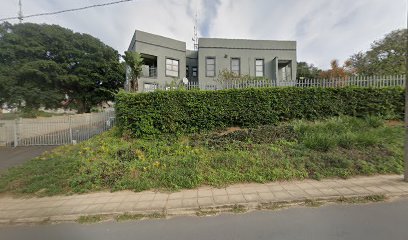
Mda Mda is a School establishment in Amanzimtoti, Kwa-Zulu Natal, South Africa
Amanzimtoti
Kwa-Zulu Natal
4126
South Africa
Sorry, no records were found. Please adjust your search criteria and try again.
Sorry, unable to load the Maps API.
Overview of School Services in Amanzimtoti, Kwa-Zulu Natal
Located along the KwaZulu-Natal south coast, Amanzimtoti hosts a range of primary and secondary schools that service families seeking accessible, community-oriented education. Schools in this area typically prioritise a balanced approach to academic development, personal growth, and practical life skills. Enrolment processes are structured to identify suitable learners, with attention given to age, progression, and any special educational needs that can be supported within the school environment.
Families can expect a spectrum of services that extend beyond the core curriculum. While offerings vary between institutions, common provisions include academic support, extracurricular programmes, and activities designed to build social confidence and resilience. Schools in Amanzimtoti often emphasise local context, incorporating South African history, language development, and civic awareness into lesson planning. Learner welfare is frequently supported through guidance programmes, alongside health and safety measures appropriate to the coastal setting.
Transport and accessibility form practical considerations for many households. Some schools operate transport schemes or partner with local providers to assist families travelling from surrounding suburbs. Where transport is not provided directly, schools typically supply information about safe, reliable alternatives and discuss day-to-day arrangements with guardians. Facilities commonly cater to both indoor and outdoor learning, with classrooms, libraries, science and computer rooms, and spaces for sport and performing arts.
Nutrition and meals are another feature encountered in several schools within Amanzimtoti. On-site dining facilities or approved catering arrangements are designed to support learners throughout the day, including mid-morning and afternoon snacks. While not universal, such provisions are valued by families seeking consistency and convenience, particularly for busy schedules or longer school days.
Extra-curricular activities are an important component of the school experience in this region. Clubs and teams typically cover sport (such as rugby, cricket, netball, athletics), arts (drama, music, visual arts), and subject-specific enrichment (debating, mathematics, robotics). Participation often encourages teamwork, leadership, and time-management skills, while also providing outlets for personal interests and talents outside standard classes.
Safety and security are treated as priority considerations. Schools implement mempunyai procedures that align with local regulations and best practice, including safeguarded access to the site, clear policy communication, and supervision during break times. The coastal climate can influence scheduling and outdoor activity plans, with contingency arrangements for rain or high heat, ensuring learners remain engaged in a safe environment.
Practical factors for parents and guardians include communication channels, assessment cycles, and transition planning. Schools typically outline term dates, assessment expectations, and progress reporting in straightforward formats. Parent-teacher interaction is encouraged through scheduled meetings, newsletters, and notices, helping guardians stay informed about curricula, attendance, and disciplinary policies.
- Typical services commonly available include enrolment processes, academic support, school meals, transportation assistance, and a broad range of extra-curricular activities.
- Facilities often feature libraries, science and ICT laboratories, sport grounds, and performing arts spaces to support holistic development.
- Safety, accessibility, and climate considerations influence daily routines and planning, with contingency arrangements for weather and emergencies.
Overall, the school services in Amanzimtoti aim to provide reliable educational pathways within a supportive local framework. Learners experience a structured environment that promotes academic achievement, social development, and practical life skills, while families receive information-rich guidance to navigate enrolment, daily routines, and ongoing involvement in the school community.