MG Music School is a Music school establishment in Queensburgh, KwaZulu-Natal, South Africa
MG Music School: Services, Experience and How Lessons Work in Queensburgh, KwaZulu-Natal
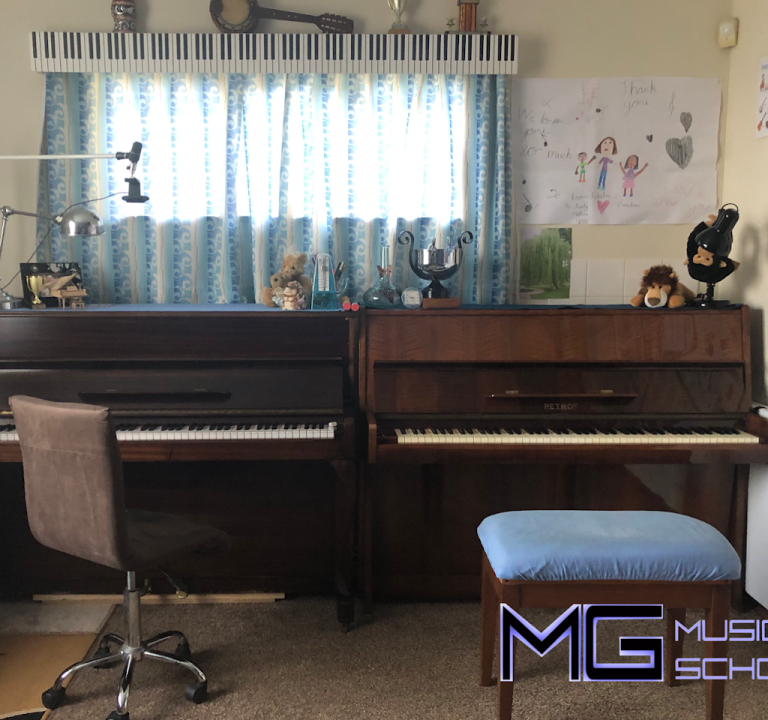
MG Music School operates as a friendly, inviting studio in Northdene, Queensburgh, Durban, offering professional, personalised tuition with a clear emphasis on performance. The school describes its approach as holistic and creative, aiming to develop independent musicians who are confident readers, writers and performers of music. The core focus is on classical performance, with regular opportunities to showcase progress through concerts, music festivals and formal exams. This practical, shareable dimension of learning is presented as fundamental to the student’s musical development and motivation.
The school provides specialist instruction in piano and recorder, beginning with young children and extending to adult learners. A central tenet is that the repertoire and pedagogy build a solid technical foundation while encouraging musical interpretation and communication. Lessons are delivered on an individual, one-on-one basis rather than through pre-recorded or generic programmes, underscoring customised feedback and a personalised pace of progress.
Beyond instrument tuition, MG Music School offers a broad syllabus that includes music theory and ongoing performance opportunities. Concerts, festivals and exams form a prominent part of the annual schedule, giving students regular platforms to perform in front of audiences and receive adjudication. The school has a history of active participation in local ensembles and events, including interstudio festivals, which bring together learners from multiple studios for collaboration and competition in a supportive environment.
Key services and programmes highlighted on the site include:
- Professional, personalised classical piano and recorder lessons for all ages and levels
- One-on-one tuition with a focus on technique, interpretation and musicality
- Music theory classes to complement practical instrument study
- Performance opportunities through concerts, music festivals and exam syllabus
- Online lessons using live video sessions via Google Meet, with the option to blend online and in-person teaching
- An expanding term structure aligned with the public school timetable, typically eight weeks per term, with flexible lesson durations (notably 30-minute sessions) and the possibility of multiple lessons per week
- Multi-Level Piano Classes designed to maximise learning time, particularly beneficial for older beginners
- Pre-school piano education for younger children, engaging them through stories and play to establish early musical foundations
- An active, student-centred ethos supported by the South African Society of Music Teachers (SASMT)
The school’s approach to progression emphasises the journey as much as the destination. While there is encouragement to participate in exams, the programme is not exam-centric; emphasis remains on developing technique, performance, interpretation and musical communication. This philosophy is reinforced by opportunities for students to perform in various formats, including concerts and festivals, which are valued for developing musical confidence and peer learning.
MG Music School also communicates an adaptable stance towards learning logistics. Online lessons were established during the COVID-19 period and are described as live, not pre-recorded, typically conducted via Google Meet. Such online sessions are positioned as ideal for illness, adverse weather, or busy adult learners, with a recommendation to reintroduce in-person lessons regularly to maximise technique and interpretation.
Practical notes for prospective customers include practical requirements for piano study (a full-size acoustic piano at home is recommended, with a digital instrument acceptable to begin), and the importance of committing to a regular practice routine to reap the full benefits of the programme. The school advertises availability for new student intakes, including 4-year-olds for piano lessons, as well as an adult programme and online options to accommodate diverse needs and schedules.
In terms of location and reach, MG Music School serves the Queensburgh area (Northdene) and the broader KwaZulu-Natal region, with a focus on combining local in-person learning with flexible online options. The school’s activity in public events and community-building initiatives suggests a commitment to a connected musical community, illustrated by student participation in local interstudio events and regional performances.
Tips for customers preparing to begin lessons include ensuring a suitable practice space with a piano at home, considering the blend of in-person and online sessions to balance technique development and performance exposure, and taking advantage of the school’s concert and festival opportunities to build performance experience early in the learning journey. Attendance of an interview or initial assessment is encouraged, as tailored guidance can align the student’s goals with the studio’s holistic curriculum.
Queensburgh
KwaZulu-Natal
4093
South Africa

Sorry, no records were found. Please adjust your search criteria and try again.
Sorry, unable to load the Maps API.
Music School Services in Queensburgh, KwaZulu-Natal
Music schools in Queensburgh typically offer a range of programmes designed to develop technical ability, musical understanding, and expressive performance across diverse ages and skill levels. The landscape reflects a blend of established community studios and smaller private practices, all placed within easy access of residential neighbourhoods and local transport routes. Prospective students may encounter structured curricula alongside flexible options, allowing learners to progress at a measured pace while balancing other commitments.
A core component of most music school services involves instrument instruction. Common offerings include piano, violin, guitar, drum kit, and voice lessons, with some studios extending to brass, woodwind, or string ensembles. Instruction tends to combine technique-focused practice with repertoire work, enabling students to build confidence through regular performance-ready pieces. In Queensburgh, it is not unusual for teachers to tailor lessons to contemporary genres as well as classical foundations, supporting learners who wish to explore pop, jazz, or traditional South African music alongside more formal study.
Another central element is ensemble experience. Chamber groups, school bands, and choir projects are commonly available, sometimes culminating in public performances or school events. Ensemble work reinforces listening, collaboration, and ensemble balance, while offering additional practice in sight-reading and rhythmic accuracy. For younger pupils, group sessions may accompany individual tuition to foster social interaction and peer learning.
Vocal programmes in Queensburgh often emphasise technique, breath control, and performance etiquette, with some studios offering accompaniment practice or access to rehearsal spaces. For those pursuing musical theatre or contemporary singing, teachers may incorporate microphone technique, articulation, and stage presence into lessons. While classical voice training remains a staple, a versatile approach is valued to support varied career paths in the local arts scene.
Other typical services include music theory and ear training, essential for understanding harmony, rhythm, and musical structure. This academic side often complements practical instruction, helping learners read notation, recognise chord progressions, and develop aural skills. Some studios also provide musicianship classes that blend theory with practical activity, such as rhythm workshops or composition exercises.
Practical considerations for learners in Queensburgh include scheduling flexibility and accessibility. Studios commonly offer after-school or weekend slots to accommodate school pupils, with some provision for holiday programmes or intensive short courses during school breaks. The physical spaces range from purpose-built rooms with acoustic treatment to multi-purpose studios that integrate recording or rehearsal facilities. Prospective families may consider nearby parking, public transport links, and the safety of the surrounding neighbourhood when planning visits.
Many music schools in the area emphasise progression and assessment, guiding learners through milestones rather than focusing solely on repeated practice. Progress reports, recital opportunities, and informal showcases are frequently used to track development and maintain motivation. While formal examinations can be part of some programmes, the emphasis is typically placed on personal growth, consistent practice, and enjoyment of musical exploration.
In terms of costs, typical considerations include tuition fees per lesson or per term, with some studios offering discounted rates for siblings or bundled courses. There is often a choice between private one-to-one lessons and small-group sessions, each with distinct benefits in terms of individual attention and collaborative skills. Regions within KwaZulu-Natal may influence travel time and access, but the overarching aim remains to nurture musical curiosity, discipline, and self-expression in a supportive community environment.