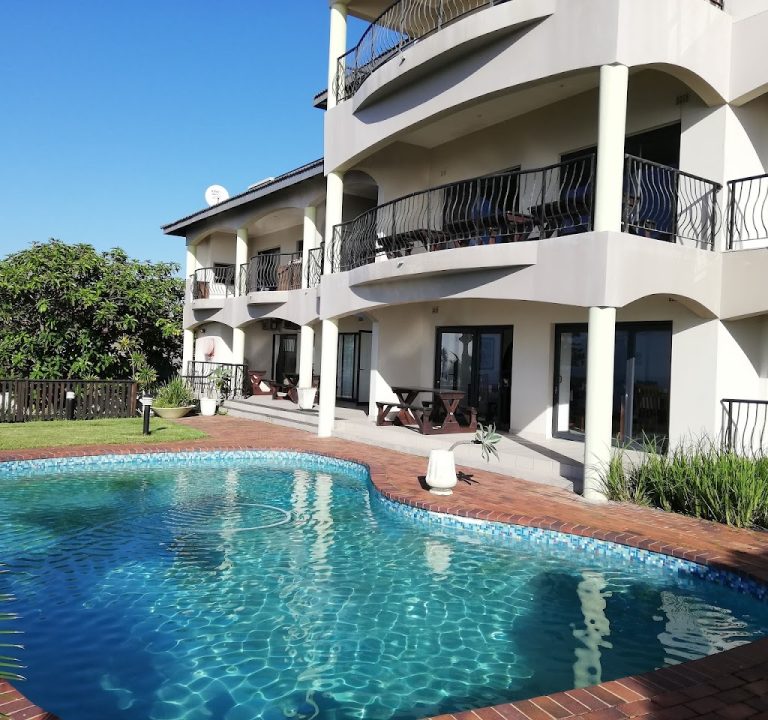
Mickey en Mienie Pre – School Academy is a School establishment in Amanzimtoti, Kwa-Zulu Natal, South Africa
Amanzimtoti
Kwa-Zulu Natal
4126
South Africa
Sorry, no records were found. Please adjust your search criteria and try again.
Sorry, unable to load the Maps API.
School services in Amanzimtoti, Kwa-Zulu Natal
Pupil-centred education in Amanzimtoti unfolds within a diverse landscape of primary, secondary and preparatory programmes. Schools in this coastal town typically aim to balance formal curriculum requirements with broader development, including social, physical and creative growth. Visitors and families can expect settings that emphasise a supportive learning environment, clear progression routes between phases, and an emphasis on community engagement within the wider Kwa-Zulu Natal region.
Across the area, the core offerings align with national curriculum standards while adapting to local context. Class sizes vary, but schools endeavour to maintain attendable teacher-to-pupil ratios to support individual attention. English tends to be the primary language of instruction, with additional language options such as isiZulu or Afrikaans common in some institutions. Subjects usually cover literacy and numeracy from early years, followed by science, mathematics, humanities, arts, physical education and technology. Senior schools commonly provide a wider range of subjects to prepare learners for further study or vocational pathways.
Typical services include:
- Curriculum delivery and assessment: Structured timetables, termly assessments, parent meetings and progress reporting.
- Extracurricular activities: Sports, arts, music, drama and clubs that extend learning beyond the classroom.
- Transport and safety: School buses or arrangements to facilitate safe commuting, with attention to road safety, supervision during drop-off and pick-up times, and campus access control.
- Pastoral and wellbeing support: Guidance counsellors or pastoral teams to support student welfare, mental health awareness, and concentred support for learners facing challenges.
- Special educational needs: Provision for learners requiring additional support, including differentiated instruction, resource rooms or targeted intervention programmes where available.
- Health and nutrition: On-site or nearby arrangements for healthcare and school meals or canteens, subject to local policies.
- Parental involvement: Regular communications, curriculum evenings and opportunities for parental engagement in school life while respecting privacy and safeguarding norms.
- Facilities and accessibility: Classrooms equipped for learning, libraries, computer or media labs, sporting facilities and spaces for quiet study; attention to accessibility for learners with mobility requirements where feasible.
What customers can expect when engaging with schools in Amanzimtoti extends beyond academic content. Prospective families typically assess the atmosphere of the campus, the emphasis on safety, and the degree of individual attention offered to learners. Frequent topics of consideration include the climate of discipline and support, the availability of transport options, and the approach to inclusivity and diversity within the student body. Practical matters such as school term dates, uniform expectations, and the structure of examinations are conveyed through the institution’s communications channels, with admissions processes usually outlined clearly for prospective pupils.
In terms of admissions and progression, schools often require a combination of application forms, proof of identity, and previous academic records where applicable. Open days or introductory visits are commonly offered to help families understand the environment and culture of the school. Once enrolled, learners typically follow a defined progression path through year groups, with the option to participate in additional programmes or summer schools where offered. Attendance and punctuality are emphasised as foundational habits, supported by a structured timetable and routine.
Practical considerations for families include evaluating proximity to home and workplace, assessing after-school care opportunities, and understanding fee structures or funding options relevant to the school type and locality. While diversity in provision exists, the overarching aim remains to foster a nurturing yet academically rigorous setting that prepares learners for subsequent study or vocational futures within South Africa and the broader Southern African context.