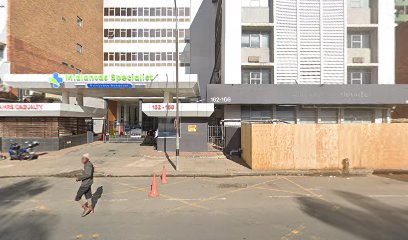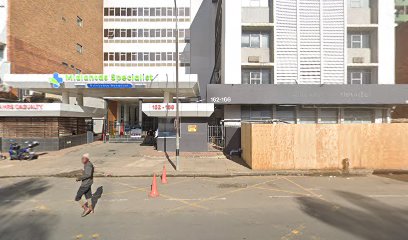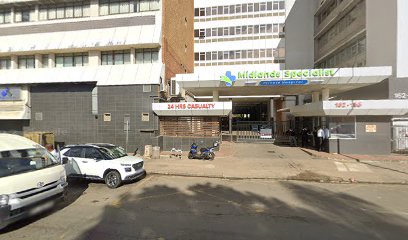
Midlands Medical Centre Private Hospital – Casualty Dept & Day Ward is a Hospital establishment in Pietermaritzburg, KwaZulu-Natal, South Africa
Pietermaritzburg
KwaZulu-Natal
3201
South Africa
Sorry, no records were found. Please adjust your search criteria and try again.
Sorry, unable to load the Maps API.
Hospital Services in Pietermaritzburg, KwaZulu-Natal
In Pietermaritzburg, KwaZulu-Natal, hospital services are structured to provide comprehensive medical care across a range of disciplines. The city supports a mix of public and private healthcare facilities, with emergency care, inpatient hospitalisation, diagnostic testing, and specialist consultations available to residents and visitors. The emphasis is on timely assessment, continuity of care, and coordinated pathways from admission to discharge and follow‑up.
Visitors and patients typically engage with hospitals through a structured process designed to ensure safety and appropriate care. When emergencies arise, a dedicated emergency department is usually the first point of entry, where triage is applied to prioritise the most time‑sensitive cases. For non‑emergency needs, patients may be advised to book appointments with specific departments or to obtain referrals from a general practitioner. Once admitted, care is organised around multidisciplinary teams that may include doctors, nurses, allied health professionals, and support staff. Discharge planning commonly involves summary notes, prescriptions, and referrals to outpatient services or rehabilitation, aiming to restore independence and prevent readmission.
Diagnostic and treatment services are central to hospital care. Radiology departments perform imaging studies such as X‑rays, ultrasound, and occasionally more advanced modalities, subject to equipment availability. Medical laboratories conduct pathology tests that support diagnoses and treatment decisions. Outpatient services frequently encompass clinics for chronic disease management, post‑operative follow‑up, and preventive care, enabling patients to receive care without prolonged hospital stays where appropriate.
Specialist care spans several broad areas. General medicine and surgery address a wide range of common health concerns, while obstetrics and gynaecology provide maternity care, prenatal monitoring, and birthing services where available. Paediatrics covers child health, vaccinations, and growth assessments. Other frequently accessed disciplines include orthopaedics, urology, ENT (ear, nose and throat), dermatology, and mental health services. Rehabilitation and physiotherapy support are often available to aid recovery after illness or injury, alongside occupational therapy and speech therapy for broader functional needs. Pharmacy services on hospital premises dispense medications to inpatients and may provide outpatient prescriptions as part of discharge planning.
Practical considerations for patients in Pietermaritzburg include understanding co‑payment or insurance requirements, especially when accessing private facilities. Public hospitals may operate under government funding and have different waiting times depending on capacity and medical urgency. It is common for patients to bring essential documentation, including identification, medical aid information where applicable, and a list of current medications. In public settings, patients might be assigned to a ward or department based on clinical needs, with room allocations and visiting policies defined by hospital administration.
Booking and continuity of care are supported through referral pathways and follow‑up appointments. Patients are advised to seek clarity about expected waiting times for non‑urgent services, and to discuss test results and treatment plans with the assigned clinician. Where long‑term management is required, hospitals often coordinate with primary care providers or community health services to ensure ongoing monitoring and home support. Practical considerations also include accessibility for mobility aids, language needs, and cultural considerations, with staff trained to accommodate a diverse patient population typical of KwaZulu‑Natal.
- Emergency care and triage
- Inpatient and surgical services
- Obstetric, paediatric, and neonatal care
- Diagnostic imaging and laboratory services
- Rehabilitation and allied health
- Pharmacy and medication management
- Outpatient clinics and specialist consultations