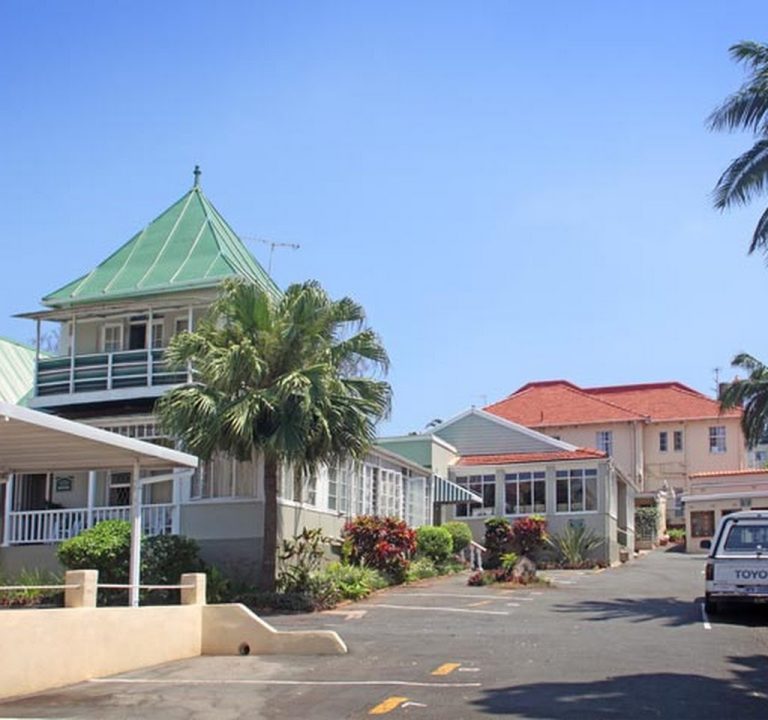
Mighty Minds Montessori Preschool is a Preschool establishment in Durban, KwaZulu-Natal, South Africa
Mighty Minds Montessori Preschool – Durban, KwaZulu-Natal
Situated in Windermere, Durban, Mighty Minds Montessori Preschool has been serving the local community for over 23 years. The setting offers both online and classroom-based tuition for children aged 2 to 6 years, providing a flexible option for families seeking continuing education in diverse circumstances. The preschool’s longevity suggests an established presence within the Durban educational landscape and a familiarity with local parental expectations and needs.
Educational philosophy is rooted in the Montessori method, with a commitment to nurturing curiosity and autonomous learning. The programme is designed to align with Dr Maria Montessori’s principles, emphasising that a child’s interest in intellectual activity emerges naturally when placed in a stimulating, well-prepared environment. The approach focuses on development through creative teaching spaces populated with carefully selected materials that function as learning games. Such materials aim to cultivate the child’s abilities and interests in a hands-on, student-led manner.
The teaching team positions itself as facilitators rather than traditional instructors. Qualified teachers provide nurturing support, guidance, and direction, supporting children as they navigate their early learning journeys. This facilitator role is intended to foster independence, concentration, and a sense of responsibility in young learners, in line with Montessori best practices.
Curriculum components include Mathematics, Language, Practical Life, Sensorial, Culture, and Sciences. These domains reflect the Montessori framework, where practical activities and sensorial experiences are designed to develop fine motor skills, mathematical understanding, language development, and broader cultural awareness. The structure supports incremental progression, allowing children to explore areas of interest while building foundational competencies in a guided, orderly environment.
The dual delivery model—online and classroom-based tuition—caters to families seeking flexibility or remote access to Montessori-inspired learning. This arrangement recognises the varied needs of households and can help maintain continuity of education beyond the traditional classroom setting. The programme is suitable for children aged 18 months through to 6 years, with a focus on early childhood development and readiness for subsequent educational steps.
As an independent, external observer, the presentation of Mighty Minds Montessori Preschool emphasises consistency and continuity in the early learning process. The emphasis on a prepared environment, combined with trained facilitators, positions the centre as a potential option for parents seeking structured, standards-aligned early education within Durban's Windermere area and wider KwaZulu-Natal community.
Practical considerations for prospective families include evaluating how the online offering complements in-person sessions, particularly in terms of scheduling, interactive activities, and parental involvement. Attention to the availability of the Montessori materials within both settings can help parents assess how seamlessly the learning experiences translate between home and classroom environments. It may also be helpful to explore how the school monitors progress, communicates with families, and celebrates developmental milestones within the Montessori framework.
For families considering Mighty Minds Montessori Preschool, a visit to the Windermere location could provide tangible insight into the classroom setup, the nature of the materials on display, and the daily flow of activities. Observing how teachers interact with children, how guidance is delivered, and how independence is encouraged can offer a practical sense of the learner experience. In addition, clarifying administrative details—such as enrolment processes, timetable options for online versus on-site sessions, and any available support services—would support an informed choice.
Location-wise, the preschool serves the Durban area, with a base in Windermere. This places the centre within a well‑established residential and commercial corridor that is accessible to families in surrounding suburbs of KwaZulu-Natal. While specific hours or appointment arrangements are not detailed here, the central factors for visitors typically include convenient access to facilities, a welcoming environment, and alignment with Montessori principles in a neighbourhood context.
Tips for prospective customers include: inquire about how the online component is delivered to ensure interactive engagement; ask about class sizes and the role of teachers in monitoring progress and adapting materials to individual needs; review the range of age-appropriate activities available within both the online and on-site formats; and consider how the programme supports transitions between ages 2 and 6 as well as between early literacy and numeracy milestones. When planning visits, bringing along questions about daily routines, safety practices, and communication channels with caregivers can help clarify fit with family goals and expectations.
Durban
KwaZulu-Natal
4001
South Africa

Sorry, no records were found. Please adjust your search criteria and try again.
Sorry, unable to load the Maps API.
Preschool Services in Durban, KwaZulu-Natal
Durban, situated on the eastern coast of South Africa, hosts a range of preschool options designed to nurture young children during the crucial early years. In these early education settings, emphasis is placed on socialisation, motor development, language acquisition, and early numeracy through structured yet playful activities. Many programmes reflect local cultures and languages, with English commonly used as the medium of instruction alongside isiZulu, and sometimes isiXhosa or Afrikaans, depending on the community and staff composition.
Preschool programmes typically offer a blend of structured learning and free play, with daily routines that support security and confidence. A typical day may include circle time for songs and discussion, guided play with educational toys, story sessions, outdoor play for gross motor development, and quiet time for rest or individual reading. Indoor and outdoor spaces are often designed to be colourful, safe, and welcoming to subway the variety of weather conditions experienced along the KwaZulu-Natal coast.
Key services commonly provided include:
- Early literacy and numeracy activities adapted to age and development level
- Language development and conversational skills through group activities and storytelling
- Creative arts, music, movement, and a focus on imagination
- Social-emotional learning, including sharing, cooperation, and conflict resolution
- Physical development through playground equipment, balance beams, and outdoor instrumentation
- Basic self-care routines and personal hygiene support
- Nutritious snacks or meals, with attention to dietary requirements and allergies
- Age-appropriate safety practices and child monitoring by qualified staff
Durban preschools often feature a play-based or emergent curriculum, allowing children to explore concepts through hands-on experiences. Teachers observe and document progress to tailor activities to individual needs, with regular parent communication about milestones and concerns. Some centres may integrate local cultural celebrations and community activities, enabling children to connect with Durban’s diverse heritage.
Practical considerations for families include choosing a setting with appropriate licensing, safety standards, and staff qualifications. Prospective parents may consider factors such as location and convenience, hours of operation, and the availability of sibling-friendly arrangements. Transport options, including school buses or proximity to public transport, can influence choice, as can the pace of the day and the balance between structured instruction and free play. Outdoor spaces are a meaningful asset in Durban, where good weather can extend opportunities for al fresco learning and physical activity.
Admissions processes typically involve an application period, a visit or open day, and an enrolment interview. Families should expect to provide information about their child’s health, emergency contacts, and any special educational needs. Some centres may offer trial days to observe routines and interact with staff before committing. Fees generally cover the curriculum, materials, meals or snacks, and supervision, with additional charges for extras such as after-care or specialised activities. It is prudent to clarify policies on absences, illness, and holiday periods.
For parents prioritising continuity of care, Durban offers a spectrum of options from small, intimate settings to larger classrooms with more extensive facilities. Prospective attendees are advised to visit several centres, observe hygiene and safety practices, and speak with educators about the approach to support each child’s development. While no single solution fits all families, Durban’s preschool sector aims to provide nurturing environments where toddlers and preschoolers can explore, learn, and grow within a supportive community.