Montclair Senior Primary School is a Primary school establishment in Durban, KwaZulu-Natal, South Africa
Durban
KwaZulu-Natal
4001
South Africa
Sorry, no records were found. Please adjust your search criteria and try again.
Sorry, unable to load the Maps API.
Primary school services in Durban, KwaZulu-Natal
Durban, a coastal city in KwaZulu-Natal, offers a diverse landscape of primary education that caters to families across urban and rural surrounds. Primary schools in this region typically provide a foundation for literacy, numeracy, and general social development, with a focus on preparing children for the transition to secondary education. The services are designed to accommodate a range of needs and backgrounds, reflecting the local demographic’s multilingual and multicultural character.
Curriculum and instruction form the core of primary school services. In South Africa, the Curriculum and Assessment Policy Statement (CAPS) framework guides learning across the year groups, with emphasis on core subjects such as languages (often English or isiZulu, and sometimes Afrikaans or other community languages), mathematics, science, social studies, and life skills. Classrooms are generally structured to foster active participation, collaborative learning, and the development of critical thinking. Assessment tends to combine ongoing class work with formal tests and progress reporting to parents and caregivers.
Beyond academics, Durban primary schools typically offer a range of support and enrichment options. These may include language support for learners whose home language differs from the language of instruction, as well as targeted assistance for learners who require extra help in reading, writing, or numeracy. Inclusive education approaches are commonly emphasised, with resources and classroom strategies aimed at accommodating learners with diverse needs within mainstream settings.
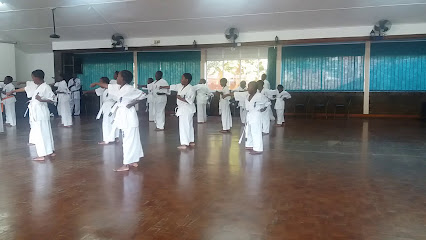
Extracurricular activities and enrichment programmes constitute a significant part of the school experience. Offerings vary by school but commonly include sport (such as rugby, cricket, netball, athletics), cultural activities (drama, music, dance), and clubs in areas like science, technology, art, and environmental stewardship. These activities are designed to broaden horizons, foster teamwork, and support personal development outside standard lessons. Some schools also provide programme ropes courses, inter-school events, or community service initiatives to cultivate civic awareness and leadership skills.
Practical considerations influence the daily routine of primary schools in Durban. School hours typically run through the morning and early afternoon, with occasional longer days for certain programmes. Transport arrangements are an important factor for many families, with some schools offering transport services or coordinating with local bus routes. Meals and nutrition are also central in several schools, with meal or snack programmes, pre-packed lunches, or after-school refreshments commonly available. Nut policy and food safety guidelines are commonly observed to support the well-being of learners with allergies or dietary restrictions.
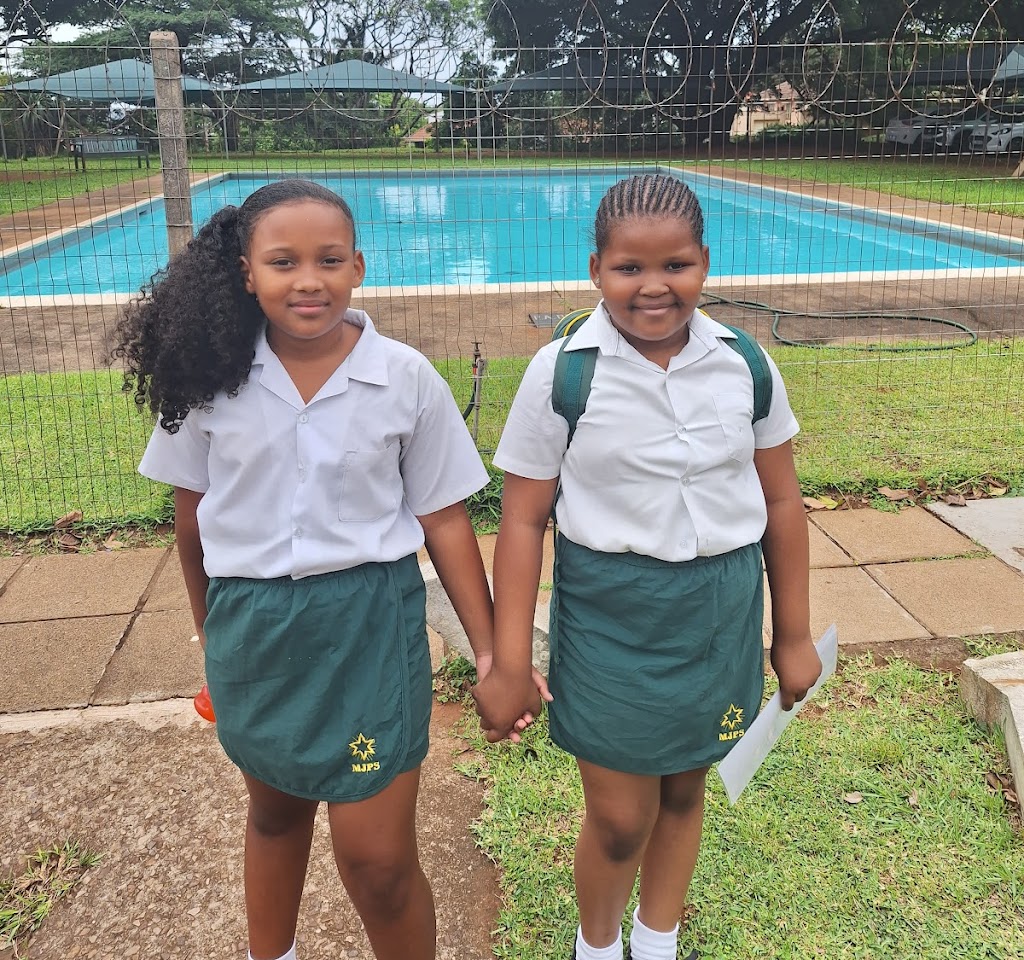
Safety, security, and facilities are important considerations for families selecting a school. Modern Durban schools strive to maintain well-kept classrooms, functional libraries, and dedicated spaces for arts, sport, and information technology where available. Fenced grounds, controlled access, and supervision during peak periods are commonly implemented to ensure a secure environment for children. Parents and guardians can usually expect regular communication regarding classroom learning, calendar events, and learning milestones through notices, newsletters, or parent portals, depending on the school’s preferred channels.
Engagement with families is a recurring theme in Durban’s primary education landscape. Schools often encourage parental participation in school governance, volunteer opportunities, and classroom activities, while respecting boundaries and the need for appropriate commitments. The overarching aim is to create supportive partnerships that reinforce learning at home and in the community, helping learners to build confidence, resilience, and academic preparedness for the next stage of their schooling journey.
In summary, primary school services in Durban emphasise a balanced mix of foundational academic instruction, inclusive support, enrichment activities, practical logistics, and family engagement. The result is a locally grounded framework that seeks to nurture capable, well-rounded learners ready to progress to the challenges of secondary education and beyond.